Get your free personalized podcast brief
We scan new podcasts and send you the top 5 insights daily.
The nascent AI agent ecosystem lacks effective discovery mechanisms for third-party tools ('skills'). This creates an opportunity for curated marketplaces that help users find, vet, and even pay for high-quality, trustworthy agent capabilities, solving a key bottleneck to adoption.
Related Insights
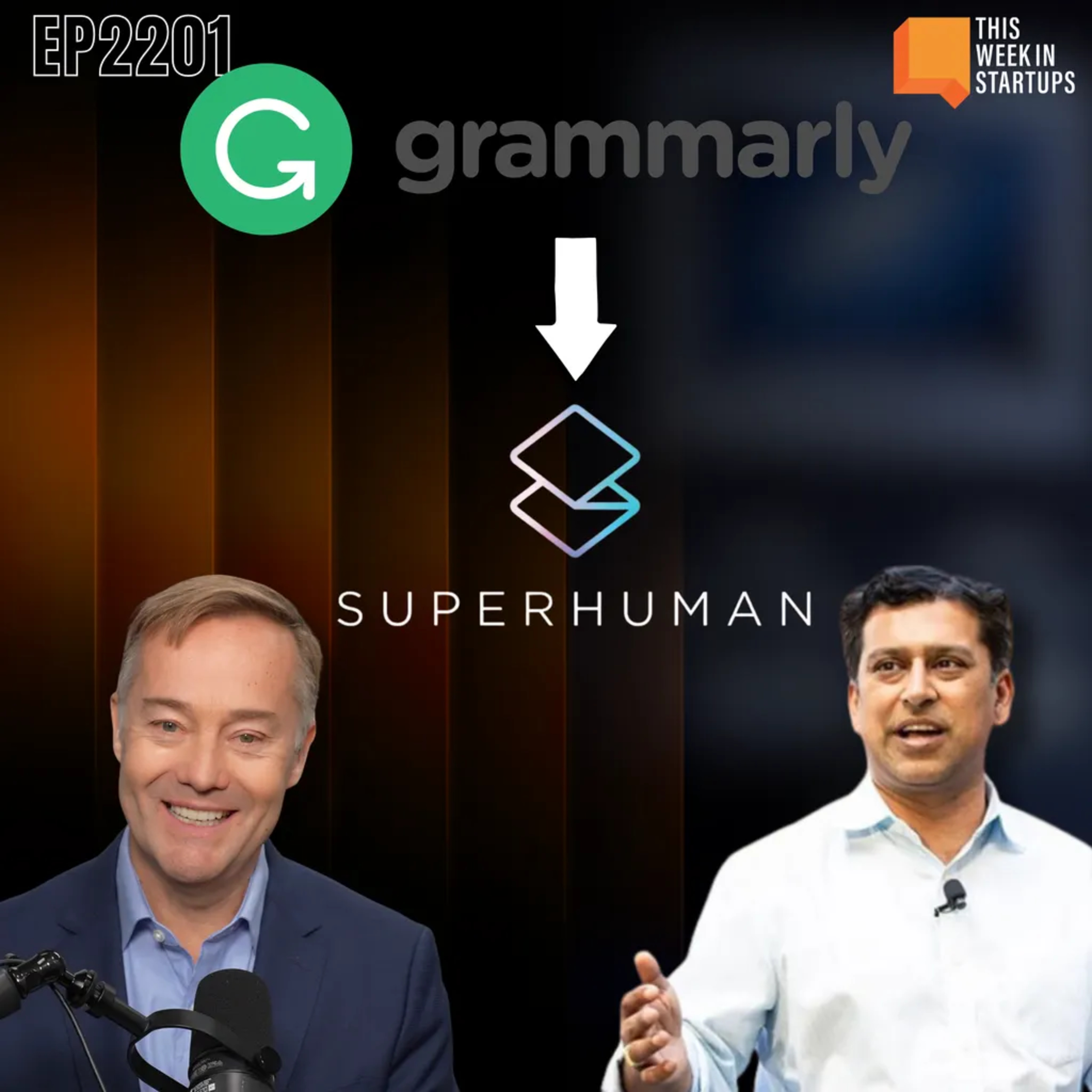
Superhuman Go is not just another AI assistant; it's a platform designed to be the "mass transit" for third-party AI agents. By providing the underlying infrastructure, they enable partners like Radical Candor to embed their unique knowledge directly into users' workflows across any application, a powerful distribution strategy.
The current ecosystem of insecure, community-submitted AI agent skills is unsustainable. The likely monetization path is a trusted, centralized "app store" that vets skills for security, offers them via subscription, and takes a revenue share from developers.

OpenAI's strategy for agents is a three-step journey: 1) Perfect agents for software engineering. 2) Provide open-ended tools for tinkerers to discover general use cases. 3) Use learnings from tinkerers to build highly productized, specific features for the mass market.
The rise of AI agents introduces a new strategic layer for marketers. They must now decide when to buy out-of-the-box agents, use workflow tools for assembly, or custom-build agents for niche, proprietary tasks. This "build vs. buy" competency is becoming a key marketing differentiator.

The business model is shifting from selling software to selling outcomes. Instead of creating a tool and inviting users, create pre-trained agents that perform valuable work. Then, invite companies to a workspace where this 'team' of AI employees is ready to start delivering value immediately.

The durable investment opportunities in agentic AI tooling fall into three categories that will persist across model generations. These are: 1) connecting agents to data for better context, 2) orchestrating and coordinating parallel agents, and 3) providing observability and monitoring to debug inevitable failures.
'Rent a Human' is a marketplace where AI agents post bounties for humans to complete tasks that AIs cannot, such as holding a sign in Times Square. This reverses the typical human-manages-AI dynamic and automates the management of human-in-the-loop processes.
Similar to how mobile gave rise to the App Store, AI platforms like OpenAI and Perplexity will create their own ecosystems for discovering and using services. The next wave of winning startups will be those built to distribute through these new agent-based channels, while incumbents may be slow to adapt.

The current market of specialized AI agents for narrow tasks, like specific sales versus support conversations, will not last. The industry is moving towards singular agents or orchestration layers that manage the entire customer lifecycle, threatening the viability of siloed, single-purpose startups.

OpenAI's Agent Builder could establish a middle market between free, ad-supported consumers and large enterprise API users. This "prosumer" tier would consist of power users willing to pay based on their consumption of advanced, automated workflows, creating a new revenue stream.
