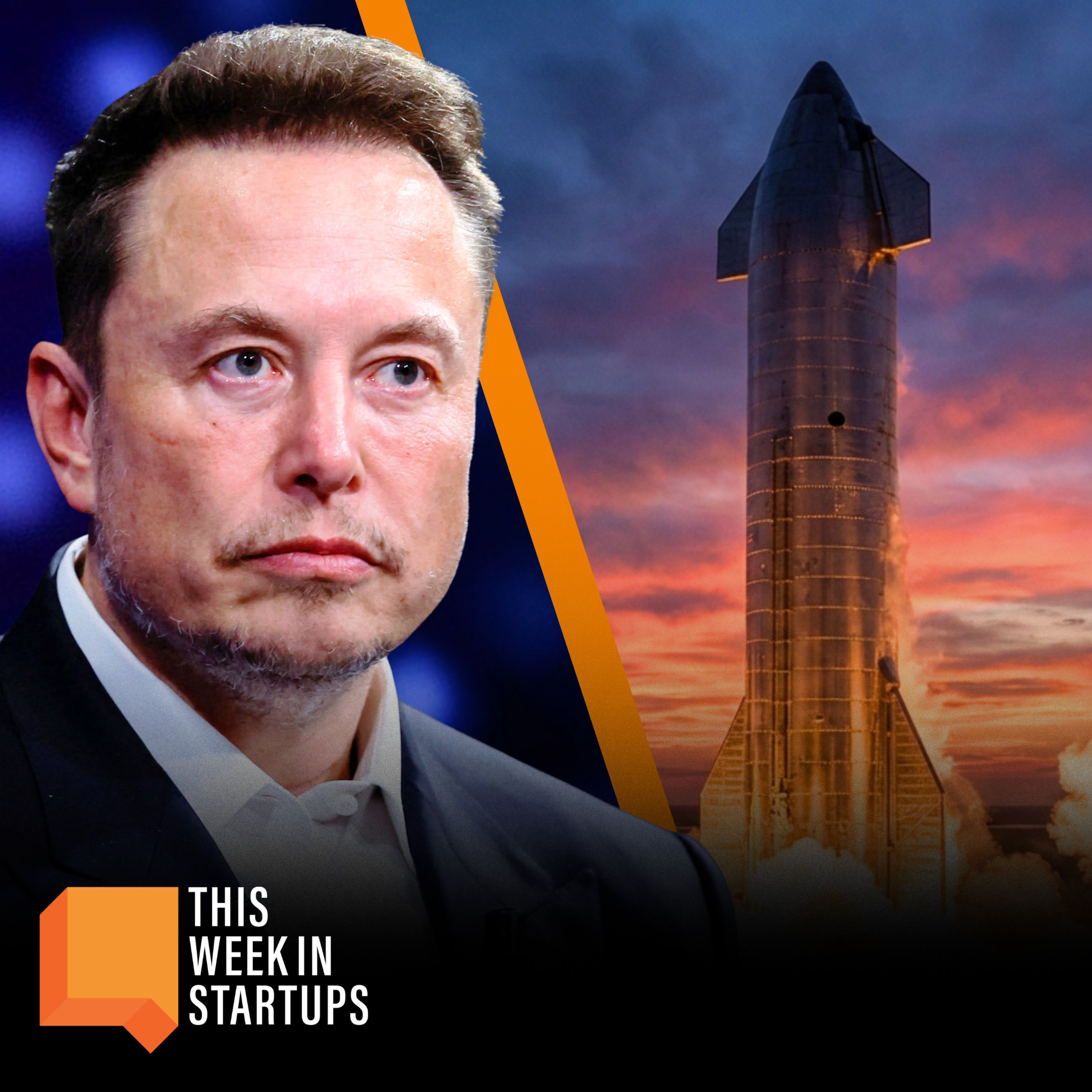
The merger leverages SpaceX's heavy launch capabilities to deploy space-based data centers for xAI, capitalizing on abundant solar power and the vacuum of space for cooling. This creates a massive competitive advantage by eliminating terrestrial energy and real estate costs.
The sequential mergers of X with xAI, then with SpaceX, and potentially Tesla, signal the formation of a single entity. This "Musk Industries" would leverage shared manufacturing learnings and AI development across cars, rockets, robots, and social networks, creating powerful synergies.
The long-term vision isn't just launching data centers, but manufacturing them on the moon. This would utilize lunar resources and electromagnetic mass drivers to deploy satellites, making Earth's launch costs and gravity well irrelevant for deep space expansion.
AI models are designed to be helpful. This core trait makes them susceptible to social engineering, as they can be tricked into overriding security protocols by a user feigning distress. This is a major architectural hurdle for building secure AI agents.
The next evolution for AI agents is recursive learning: programming them to run tasks on a schedule to update their own knowledge. For example, an agent could study the latest YouTube thumbnail trends daily to improve its own thumbnail generation skill.
The usefulness of AI agents is severely hampered because most web services lack robust, accessible APIs. This forces agents to rely on unstable methods like web scraping, which are easily blocked, limiting their reliability and potential integration into complex workflows.
The entire strategy of building data centers in space is only economically feasible because SpaceX's Starship is projected to increase launch capacity by 20 times and drastically lower costs. This specific technological leap turns a sci-fi concept into a viable business model.
The podcast team's willingness to work weekends using the OpenClaw AI agent reveals a key insight: technology that eliminates tedious chores can be a massive motivator, increasing employee engagement and excitement far beyond simple productivity gains.
The current ecosystem of insecure, community-submitted AI agent skills is unsustainable. The likely monetization path is a trusted, centralized "app store" that vets skills for security, offers them via subscription, and takes a revenue share from developers.