Get your free personalized podcast brief
We scan new podcasts and send you the top 5 insights daily.
To maintain a single standard, the C++ committee requires "consensus," not a simple majority. The convener makes the final call, weighing the opinions of key implementers (from Google, Apple, Microsoft) more heavily. A feature they all oppose would be rejected even with 95% of the vote.

Related Insights
Relying on consensus to make decisions is an abdication of leadership. The process optimizes for avoiding downsides rather than achieving excellence, leading to mediocre "6 out of 10" outcomes and preventing the outlier successes that leadership can unlock.

To improve decision-making, BlackRock's investment committee, guided by a behavioral scientist, uses autonomous voting to prevent peer pressure. It also mandates a non-voting "challenger" to play devil's advocate and champion a pre-mortem perspective, ensuring dissent is valued.

While Experian's tech CEO aims for consensus, he makes final decisions based on a clear hierarchy of principles. He will override his team's recommendation if it compromises a core value like security, even if their choice is more economically sound.
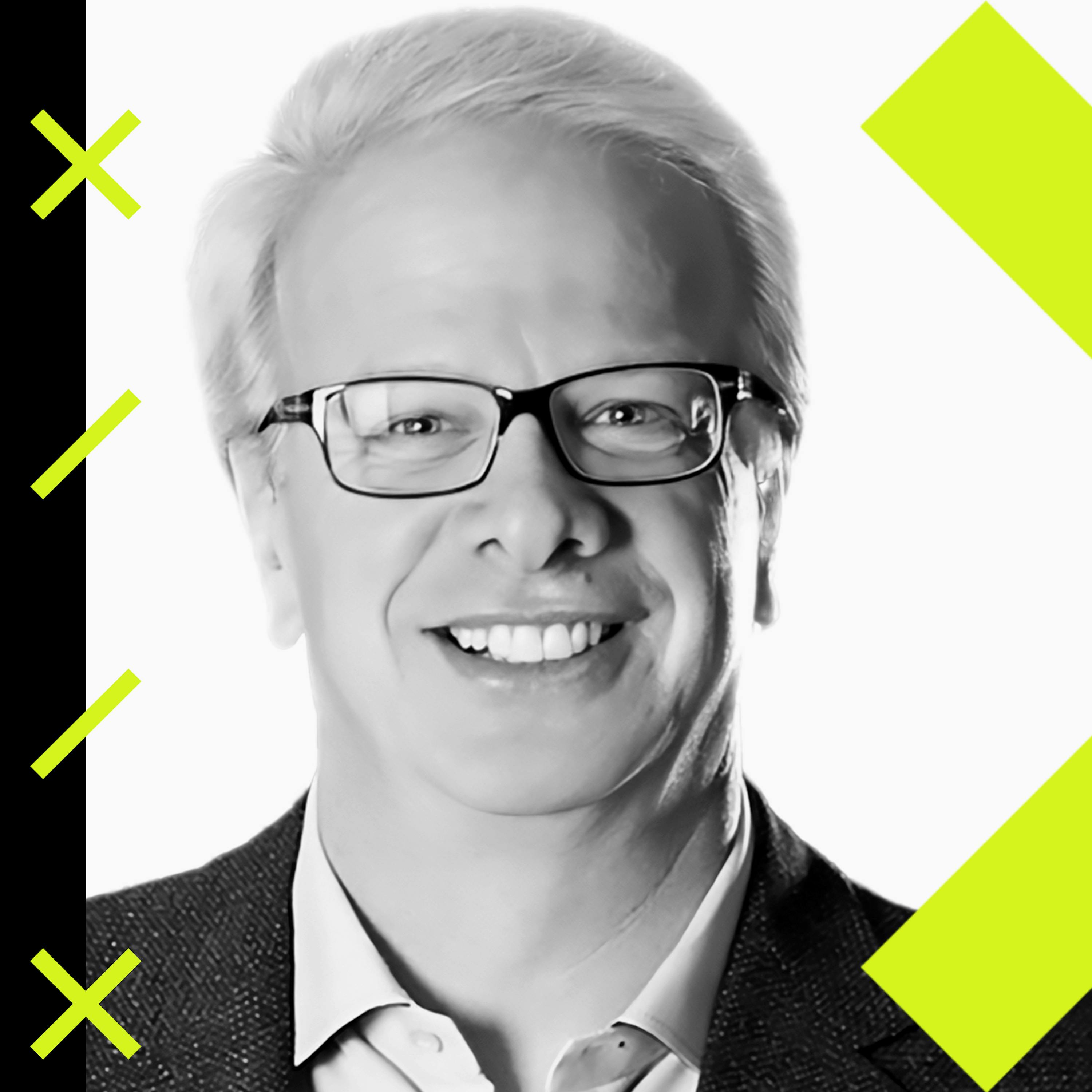
Stroustrup initially resisted standardizing C++, feeling it was still evolving. However, a coalition of large tech companies insisted, stating their corporate policies prevented reliance on a non-standard language controlled by a single, potentially rival corporation like AT&T.
The Artemis co-founders maintain high velocity by minimizing disagreements. When they have differing opinions, the person who has thought less deeply about the specific issue defers to the one with more context. This is built on a foundation of mutual trust and recognizing most decisions are reversible.

Sequoia operates on a consensus model where every partner must agree for an investment to proceed. A single "no" vote can kill a deal. This high-stakes process forces deep conviction, though partners can be convinced to override their own negative intuition if the rest of the team is overwhelmingly positive.

The genius of X's Community Notes algorithm is that it surfaces a fact-check only when users from opposing ideological viewpoints agree on its validity. This mechanism actively filters for non-partisan, consensus-based truth rather than relying on biased fact-checkers.
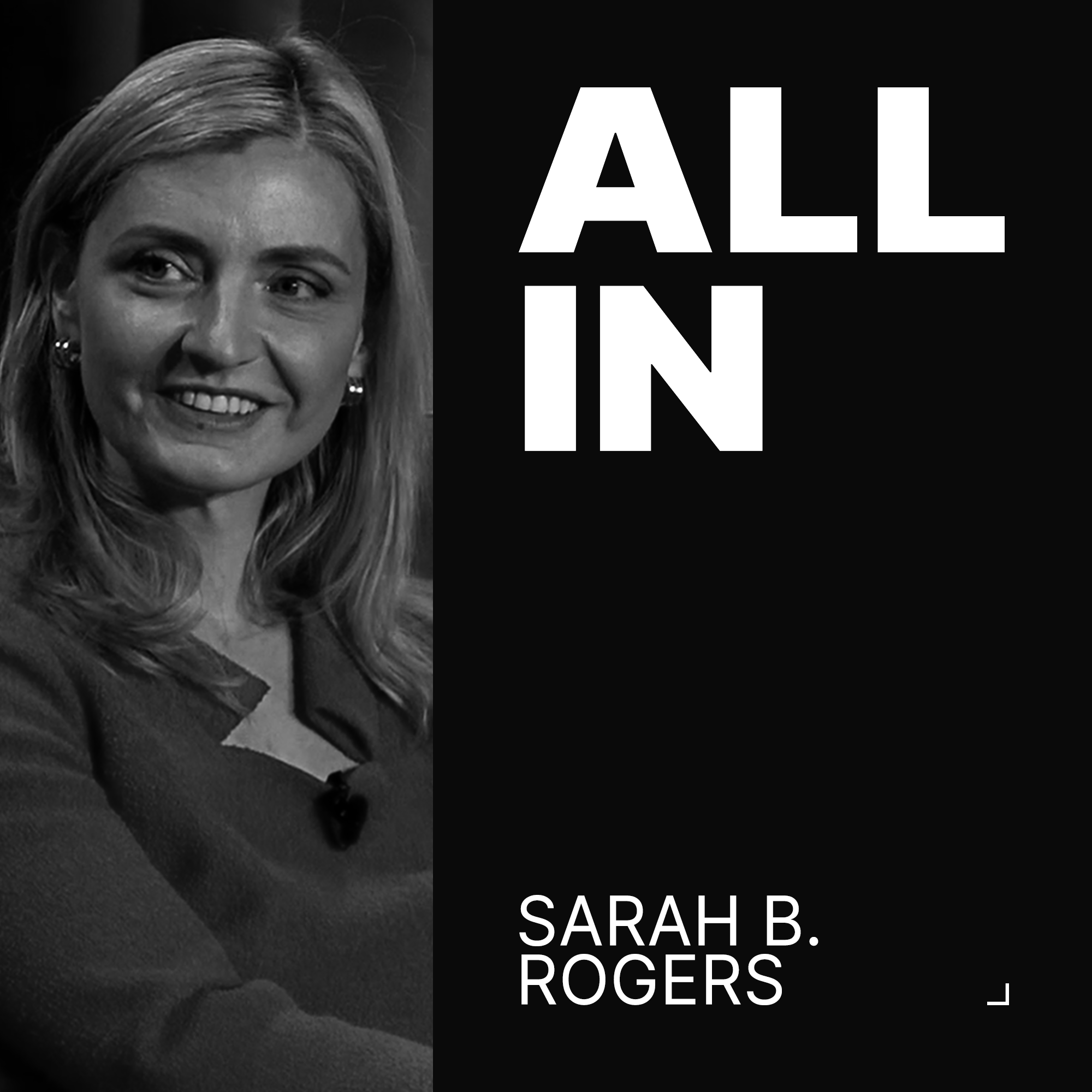
To prevent constant, distracting debates on topics like pricing, Tobi Lütke forms a council tasked with reaching a consensus before proposing changes. Knowing that group consensus on complex topics is nearly impossible, this bureaucratically shelves the issue without an outright ban.
A product leader's job is not to synthesize opinions until everyone agrees, which leads to slow progress. Instead, they must create clarity by taking broad input but ensuring a single, accountable owner makes the final decision. Committees optimize for safety, not outcomes.

The AI space moves too quickly for slow, consensus-driven standards bodies like the IETF. MCP opted for a traditional open-source model with a small core maintainer group that makes final decisions. This hybrid of consensus and dictatorship enables the rapid iteration necessary to keep pace with AI advancements.
