Get your free personalized podcast brief
We scan new podcasts and send you the top 5 insights daily.
The Artemis co-founders maintain high velocity by minimizing disagreements. When they have differing opinions, the person who has thought less deeply about the specific issue defers to the one with more context. This is built on a foundation of mutual trust and recognizing most decisions are reversible.

Related Insights
By breaking down decisions to their fundamental truths, Vinod Khosla and Keith Rabois can debate premises rather than opinions. This allows the two strong-willed partners to work together smoothly, quickly identify the core of any disagreement, and align on a logical path forward.
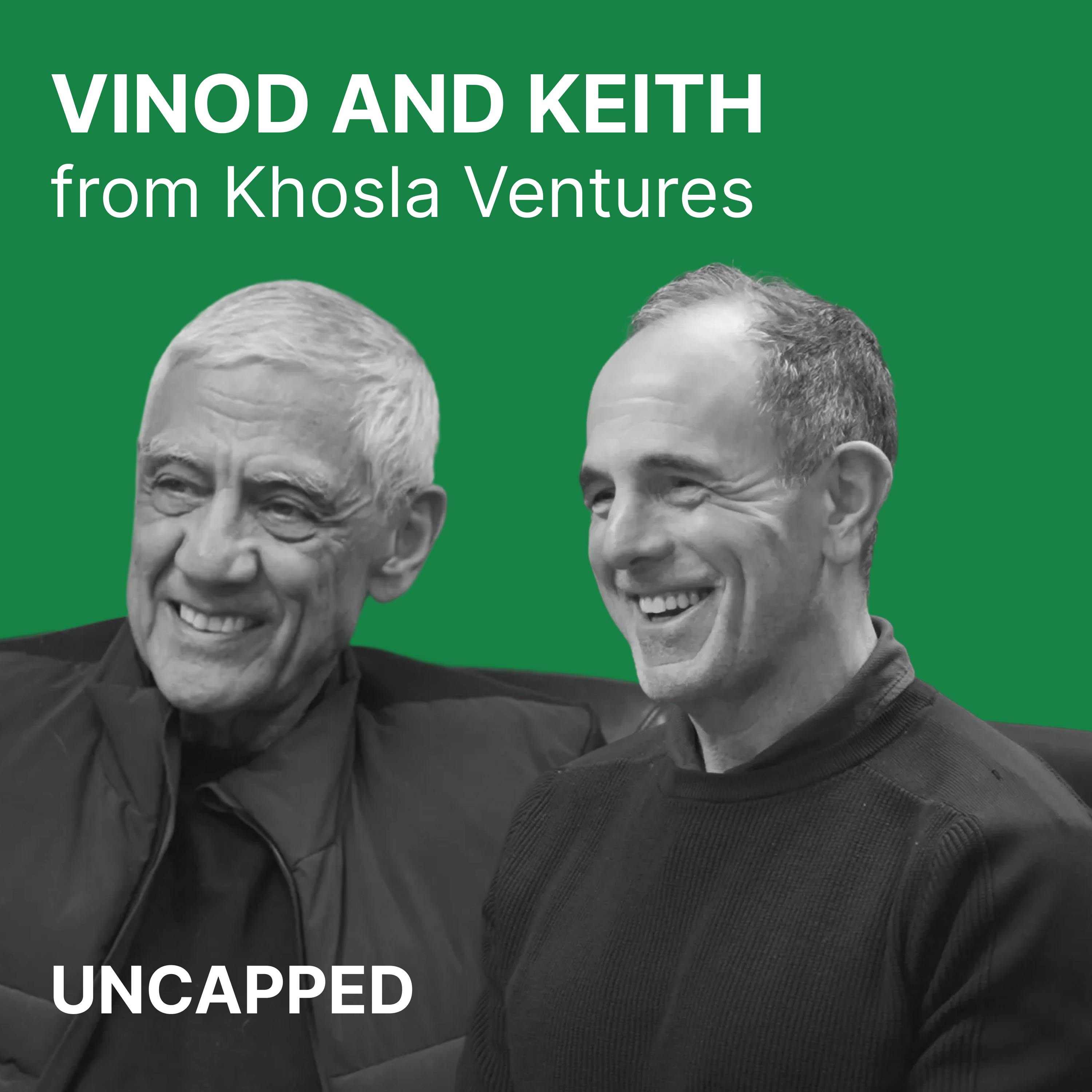
Shifting from a black-and-white "right vs. wrong" mindset to a probabilistic one (e.g., "I'm 80% sure") reduces personal attachment to ideas. This makes group discussions more fluid and productive, as people become more open to considering alternative viewpoints they might otherwise dismiss.

A team that "gets along" isn't one that agrees on everything initially; immediate consensus is a red flag. True alignment comes from respectful, data-driven debate, followed by a unified commitment to the final decision.

To foster productive debate, teams must move beyond simply encouraging disagreement. Implement specific, pre-agreed rules of engagement, such as using a neutral mediator or applying a 'two-minute rule' that grants a person uninterrupted speaking time. These protocols transform potential fights into structured, truth-seeking conversations.

At Crisp.ai, the core value is that the best argument always wins, regardless of who it comes from—a new junior employee or the company founder. This approach flattens hierarchy and ensures that the best ideas, which often originate from those closest to the product and customers (engineers, PMs), are prioritized.
Instead of escalating disagreements, Atlassian's founders operated on a simple principle: if one couldn't be persuaded that an idea was good, it was likely not worth pursuing. This served as a critical decision-making filter and prevented major conflicts.
For data-less decisions, PhonePe's co-founders have a simple rule: the partner with deeper historical strength in that domain makes the final call. The other commits fully, and they never revisit the decision, ensuring they learn and move forward without blame.
Patreon's co-founder reflects that early-stage leadership requires gathering diverse opinions. However, as the business and founder mature, it's crucial to shift from operating by consensus to using one's own internal conviction as the North Star for decision-making.

A strong partnership thrives on different viewpoints, not a leader and a follower. A partner who simply echoes your ideas prevents growth and leaves you vulnerable to your own blind spots. This constructive friction is essential for making robust decisions.

Gymshark's CCO explains her successful partnership with founder Ben Francis. They share core values, ensuring they move in the same direction, but their completely different "superpowers" create a healthy tension that leads to better-rounded decisions and prevents groupthink.
