Get your free personalized podcast brief
We scan new podcasts and send you the top 5 insights daily.
Hint Water's ad costs dropped after they promoted an article about the founder's story. The emotional narrative resonated so strongly that even non-customers shared it, effectively acting as a volunteer sales force. This builds brand equity beyond simple product features and discounts.

Related Insights
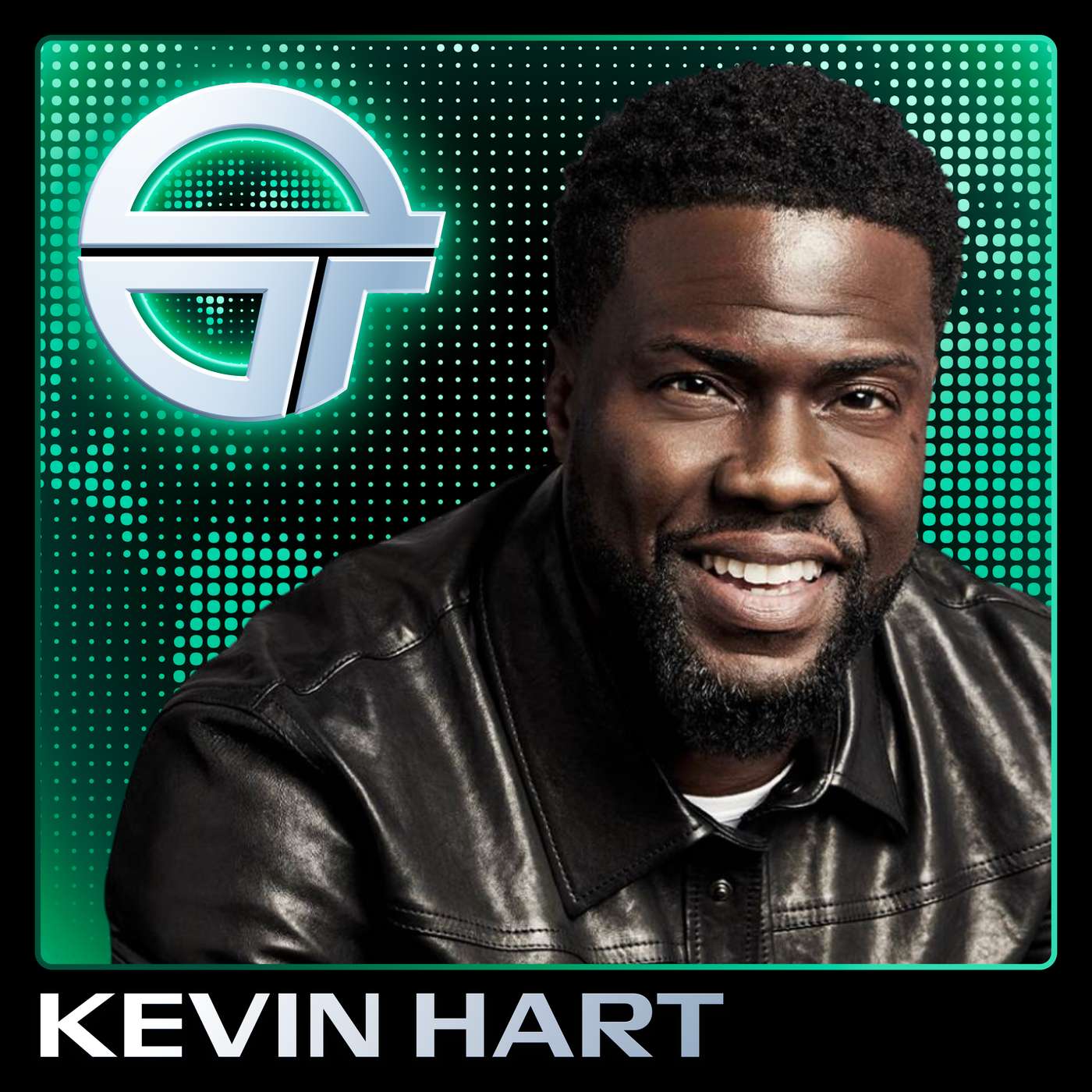
Consumers are savvy and can see through a simple name-slap endorsement. To break through, a brand needs a genuine story. Hart emphasizes the importance of answering core questions—"Why did you make it? What's the story? Do you really drink this?"—to build an authentic connection that resonates with customers long-term.
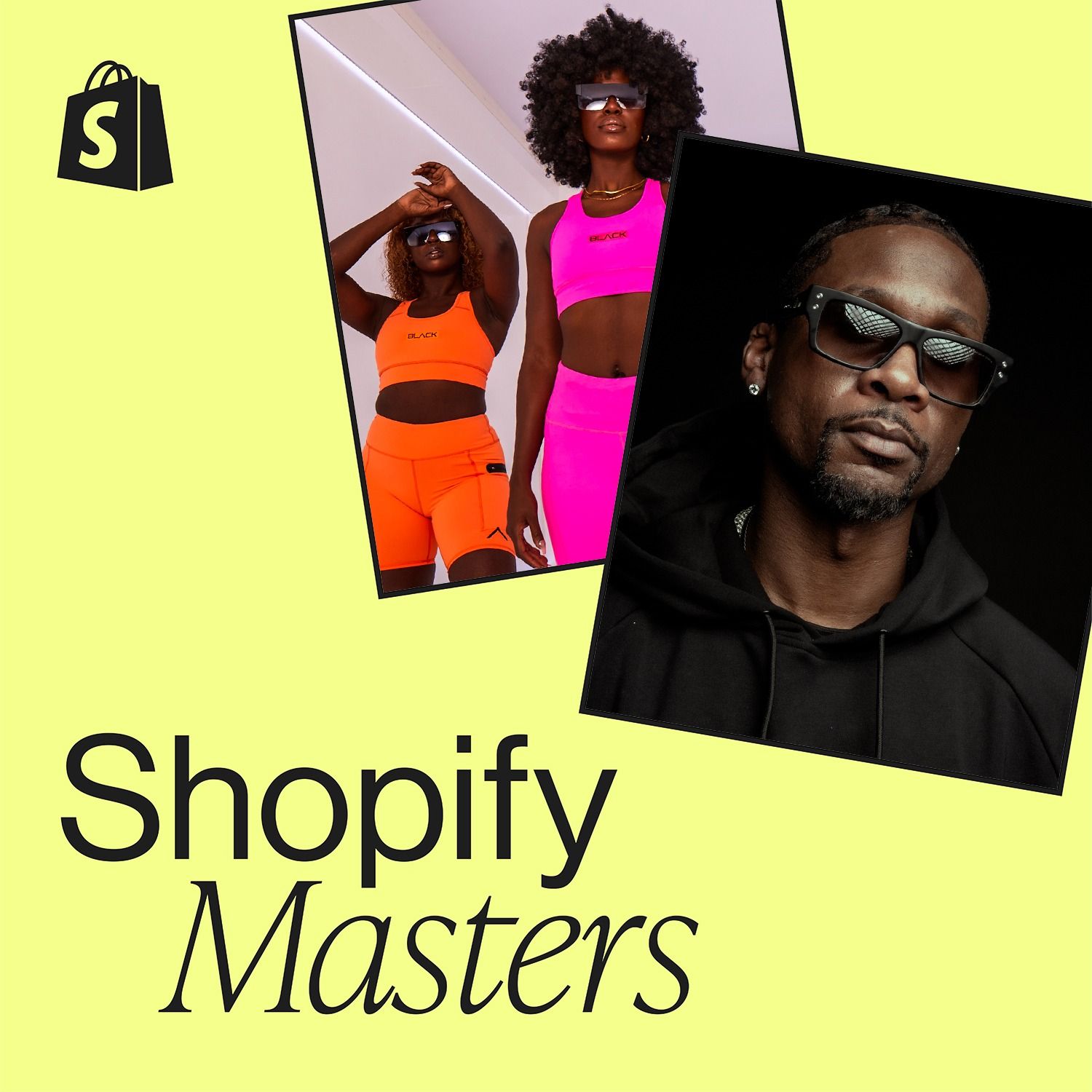
Lanny Smith was initially uncomfortable being the public face of Actively Black. He found, however, that sharing his personal story and motivations created a deeper customer connection than any marketing campaign could, making his authentic narrative the brand's most powerful growth tool.
Asana spent $345M on vague slogans like "move work forward." In contrast, Basecamp spent just $2M on marketing, including writing a best-selling book ("Rework"), and built a compelling narrative to achieve similar customer numbers. This highlights the immense ROI of learning to tell a story versus simply buying attention.

The CEO of Unbound Merino found that his most polished, creative ads often underperformed. Conversely, ads he felt were cheesy or made him uncomfortable—specifically, founder-led videos—were highly effective, showing that authenticity can trump production value.

Not every brand has a compelling, authentic founder story. Instead of fabricating one, successful brands should build a strong philosophy and make the customer the hero of the narrative. This shifts the focus from the founder's journey to the customer's transformation.

A brand's own marketing narrative is never as powerful as its customers' authentic stories. The core of advocacy and influencer marketing is facilitating opportunities for satisfied customers to share their positive experiences, as their voice carries more weight and credibility than any corporate message.

Instead of hiring for the trendy "storyteller" role, companies should recognize founders are the most potent narrators. Focus resources on creating a single, memorable marketing campaign rather than a constant stream of low-impact content to truly break through the noise.

Stories are more than just engaging content; they are the most powerful form of proof. A story acts as a 'dramatic demonstration' of your point, showing rather than telling. Since customers buy based on proof, not promises, storytelling is a non-confrontational way to build credibility and drive sales.

Move beyond listing features and benefits. The most powerful brands connect with customers by selling the emotional result of using the product. For example, Swishables sells 'confidence' for a meeting after coffee, not just 'liquid mouthwash.' This emotional connection is the ultimate brand moat.

In a product-led world, the B2B concept of 'founder-led sales' evolves into 'founder-led marketing.' Founders must deeply own the brand's narrative. This means personally onboarding key influencers and being the first to learn how to tell the story broadly, ensuring the message is right before scaling the function.
