Get your free personalized podcast brief
We scan new podcasts and send you the top 5 insights daily.
Asana spent $345M on vague slogans like "move work forward." In contrast, Basecamp spent just $2M on marketing, including writing a best-selling book ("Rework"), and built a compelling narrative to achieve similar customer numbers. This highlights the immense ROI of learning to tell a story versus simply buying attention.

Related Insights
For lean teams, success isn't about matching the scale of larger competitors. It's about achieving surgical precision. Deep clarity on user needs, messaging, and positioning allows a small team to create an impact that outperforms the "noise" generated by better-resourced but less focused rivals.

Marketers mistakenly assume B2B industries like finance are dull. In reality, these sectors are filled with compelling human stories about hopes, dreams, and innovation. The perceived lack of creativity is a massive competitive advantage for marketers willing to find and elevate these narratives.

Instead of paid marketing, Nubank scaled to over 120 million users with a customer acquisition cost of just a few dollars. This was achieved organically through word-of-mouth, fueled by a superior value proposition (no fees, better service) that solved a clear and painful consumer problem, enabled by a 20x more efficient cost structure.

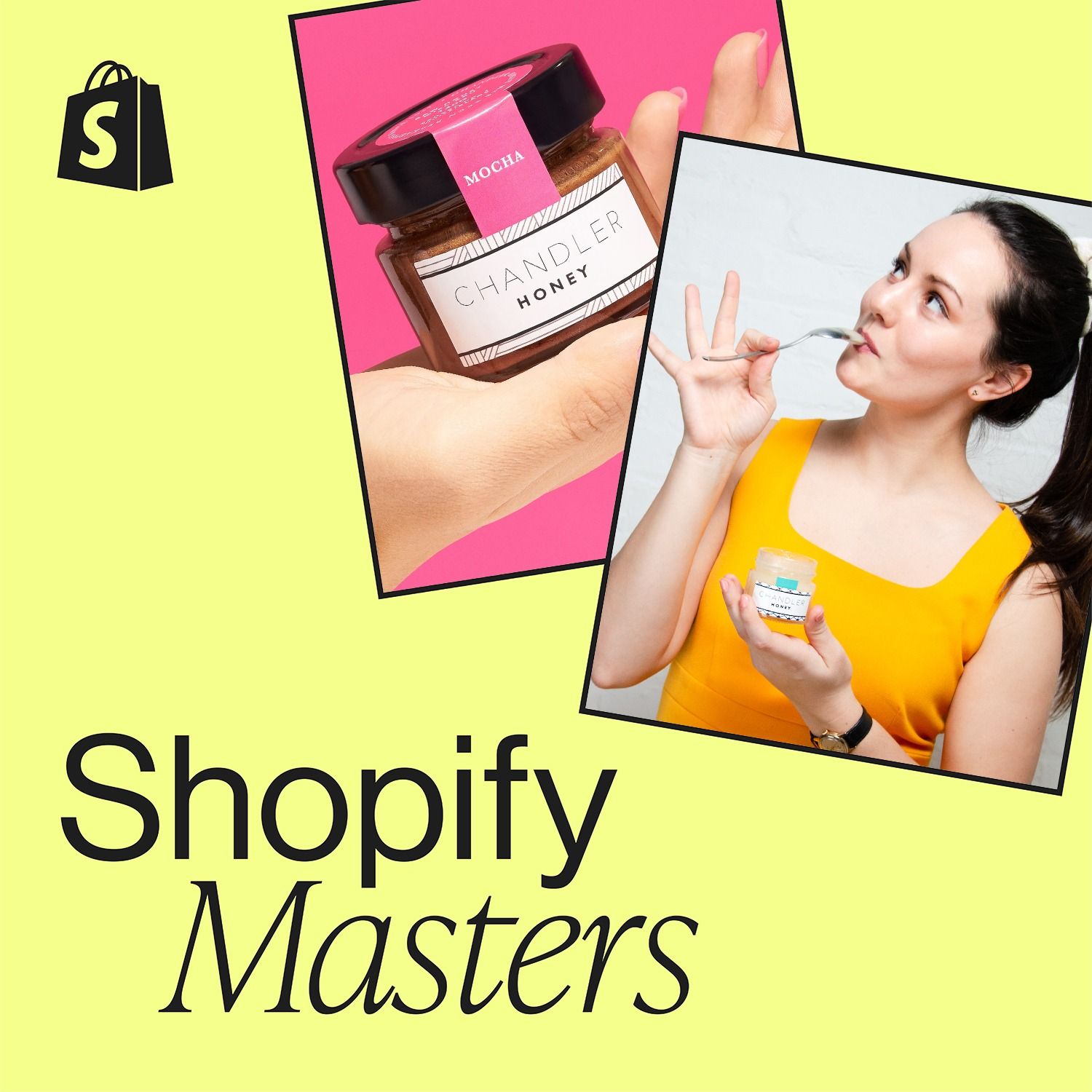
After finding paid ads on Meta were designed to be barely profitable, the founder stopped them entirely. She now focuses on organic marketing, using her personal story on Instagram and a strong email list to build a loyal customer base more profitably.
Instead of using reports as teasers to force sign-ups, Read AI made them comprehensive and easily shareable. This demonstrated immediate ROI to non-users who received them, creating a powerful viral loop that drives a million monthly signups with no ad spend.

Technical founders often mistakenly believe the best product wins. In reality, marketing and sales acumen are more critical for success. Many multi-million dollar companies have succeeded with products considered clunky or complex, purely through superior distribution and sales execution.

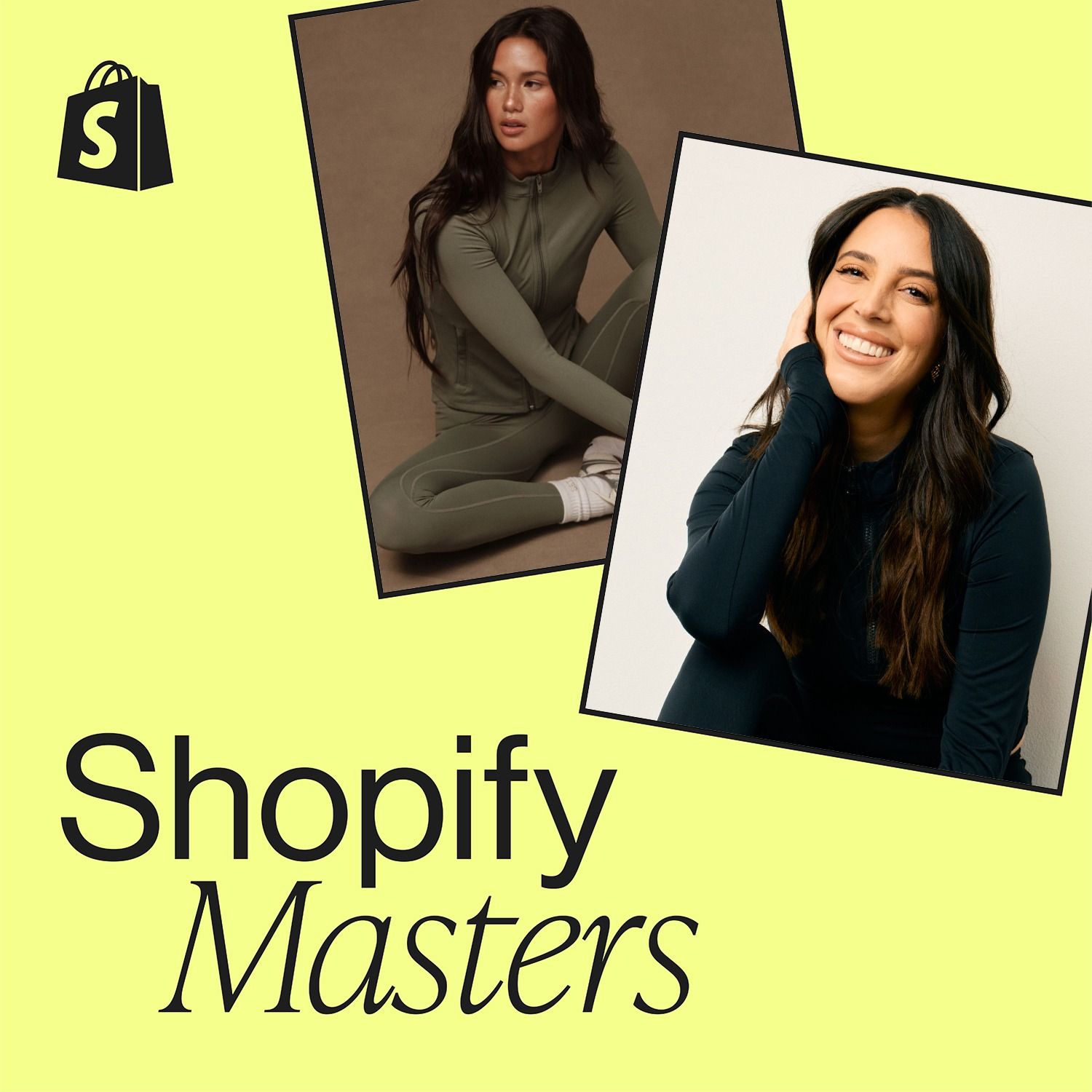
For founders without a large marketing budget, building in public isn't optional. Lindsay Carter attributes Set Active's initial hype to sharing behind-the-scenes content on her personal social media. She argues that consumers want to root for the underdog, and showing the story—failures and all—is the most effective way to build a loyal following from scratch.
Missive's founder initially attributes their success to "build it and they will come," but quickly details the reality: years of targeted, low-cost marketing. This included SEO-driven content and active participation in social media. True success came not from passivity, but from relentless, product-focused marketing.
With a minimal marketing budget (SG&A is just 5% of revenue), Interactive Brokers has achieved 30%+ annual account growth. This demonstrates that a truly superior product can create its own powerful "pull" effect, attracting high-value customers through value and word-of-mouth rather than expensive advertising.
LoveSack operated successfully for years based on product instinct alone. However, transformational growth occurred only after the company intentionally defined its core brand philosophy—'Designed for Life'—and then amplified that clear message with advertising. This shows that a well-defined brand story is a powerful, distinct growth lever, separate from initial product-market fit.