Get your free personalized podcast brief
We scan new podcasts and send you the top 5 insights daily.
Move beyond listing features and benefits. The most powerful brands connect with customers by selling the emotional result of using the product. For example, Swishables sells 'confidence' for a meeting after coffee, not just 'liquid mouthwash.' This emotional connection is the ultimate brand moat.

Related Insights
The need for emotional connection isn't limited to consumer products. All software is used by humans whose expectations are set by the best B2C experiences. Even enterprise products must honor user emotions to succeed, a concept termed 'Business to Human'.

Framing a product around "life moments" (e.g., graduation, first job) shifts the focus from functional utility to emotional significance. Coach isn't in the handbag business; it's in the "belonging business." Its real competitors are other products that provide similar affirmation.
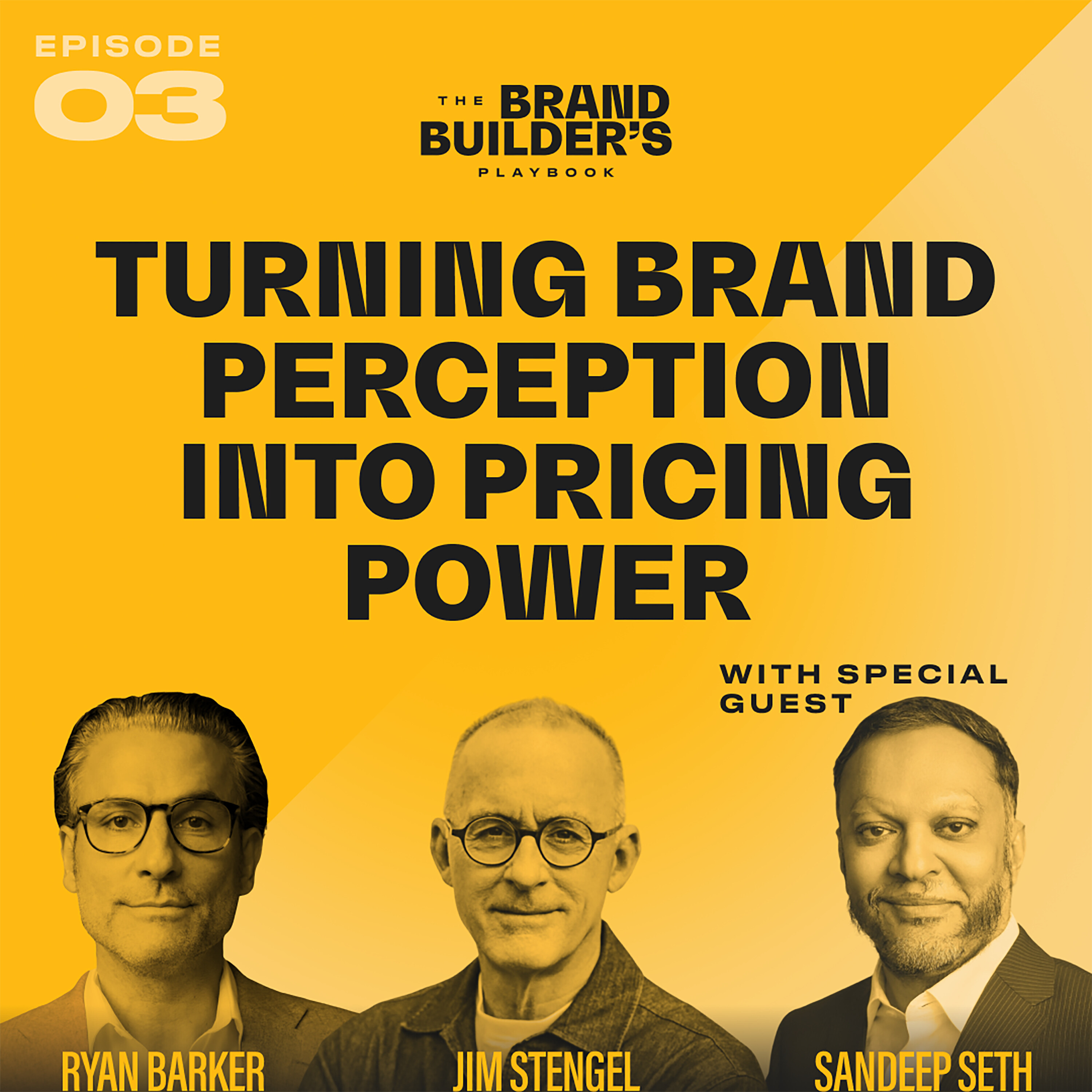
Customers buy the benefit a feature provides, not the feature itself. Frame your marketing around the desired outcome or 'big three wins' for the user. As the speaker says, 'benefits sell and features tell,' because features only inform while benefits drive the purchase decision.

The ultimate PLG companies are consumer brands like shampoo, which sell on brand affinity, not commoditized features. As software becomes more commoditized, B2B companies must similarly build a strong brand theme that inspires users to associate with them, creating a more durable moat than features alone.

Unilever uses its SASSY framework (Science, Aesthetics, Sensorials, Said-by-others, Young-spirited) to create desirability. This model systematically elevates brands from functional "needs" to emotional "I have to have that" wants, applicable even to everyday products.

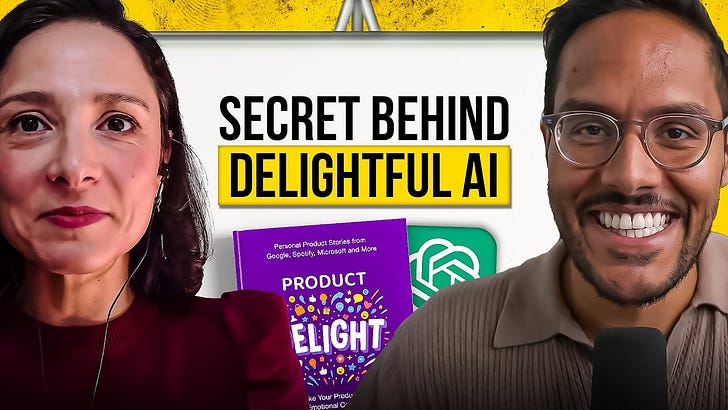
True differentiation comes from "deep delight," where emotional needs are addressed within the core functional solution. This is distinct from "surface delight" like animations or confetti, which are nice but fail to build the strong emotional connections that drive loyalty.
Most product categories are commodities with minimal functional differences. Success, as shown by Liquid Death in the water category, hinges on building an emotional connection through branding and packaging, which are the primary drivers of consumer choice over minor product benefits.
The founder of Billy Bob's Teeth, a gag gift, reframed his product as a "permission slip for people to be silly." This strategy gives a trivial product a deeper, more compelling purpose by connecting it to a fundamental human desire. This elevates the brand and makes the product more than just a novelty item.

Moonshot AI's CEO effectively sells his product by "vision casting"—framing it not as an e-commerce tool but as a partner that enables businesses to thrive. This focus on the ultimate outcome, rather than product features, resonates deeply with customers and powerfully articulates the value of a complex AI solution.

In a crowded market, brand is defined by the product experience, not marketing campaigns. Every interaction must evoke the intended brand feeling (e.g., "lovable"). This transforms brand into a core product responsibility and creates a powerful, defensible moat that activates word-of-mouth and differentiates you from competitors.
