Get your free personalized podcast brief
We scan new podcasts and send you the top 5 insights daily.
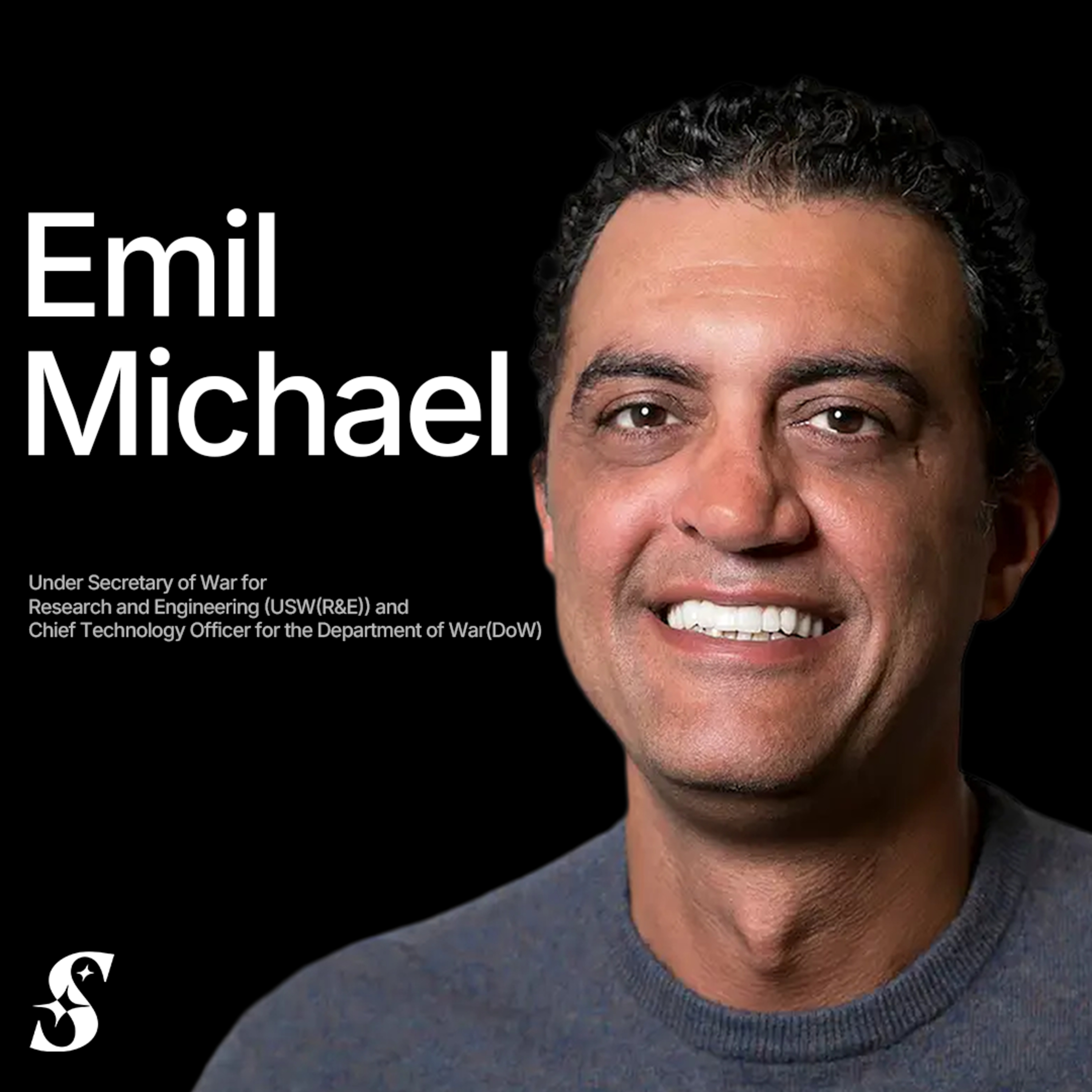
Contrary to its controversial public image, the Under Secretary of War asserts that Palantir's primary value to the government is solving mundane, critical logistics problems. The software helps track assets like tanks and munitions—a basic inventory management function essential for a massive bureaucracy.
Related Insights
Assembled initially replaced a manual spreadsheet process. Their success came from understanding the spreadsheet was a symptom of deeper pains like headcount planning, real-time dashboards, and agent utilization. The real value was in solving these complex operational problems, not just digitizing a spreadsheet.

Beneath the surface, sales 'opportunities,' support 'tickets,' and dev 'issues' are all just forms of work management. The core insight is that a single, canonical knowledge graph representing 'work,' 'identity,' and 'parts' can unify these departmental silos, which first-generation SaaS never did.

Luckey reveals that Anduril prioritized institutional engagement over engineering in its early days, initially hiring more lawyers and lobbyists. The biggest challenge wasn't building the technology, but convincing the Department of Defense and political stakeholders to believe in a new procurement model, proving that shaping the system is a prerequisite for success.
![Palmer Luckey - Inventing the Future of Defense - [Invest Like the Best, CLASSICS] thumbnail](https://megaphone.imgix.net/podcasts/f7c9aa8e-cb8d-11f0-828e-0b281809c10a/image/cc07f91ec47f95abbde771a4956b37b7.jpg?ixlib=rails-4.3.1&max-w=3000&max-h=3000&fit=crop&auto=format,compress)
Leading AI companies, facing high operational costs and a lack of profitability, are turning to lucrative government and military contracts. This provides a stable revenue stream and de-risks their portfolios with government subsidies, despite previous ethical stances against military use.

The government's procurement process often defaults to bidding out projects to established players like Lockheed Martin, even if a startup presents a breakthrough. Success requires navigating this bureaucratic reality, not just superior engineering.

The Under Secretary of War's primary job is not just to fund technology, but to actively cultivate an ecosystem of new defense contractors. The stated goal is to create five more major companies capable of challenging established primes like Lockheed Martin, fostering competition and bringing new capabilities into the defense sector.
Palantir commands a massive valuation premium because it is both well-run and unique, with no clear alternatives. This lack of competition dramatically reduces churn risk and increases the durability of future cash flows, justifying a higher multiple than other software companies that operate in more crowded markets.

Tech companies often use government and military contracts as a proving ground to refine complex technologies. This gives military personnel early access to tools, like Palantir a decade ago, long before they become mainstream in the corporate world.
