Get your free personalized podcast brief
We scan new podcasts and send you the top 5 insights daily.
The true horror of nuclear war isn't the initial blast but the complete breakdown of society. With no government, law, or resources, survivors face a primal, violent struggle for existence amidst sickness and malnourishment, making immediate death a preferable fate.

Related Insights
The appeal of ideologies like socialism to economically desperate populations is analogous to a starving Minecraft player eating rotten zombie flesh. While it's known to be poisonous, it's seen as the only available option to alleviate immediate suffering, even if it causes greater long-term harm.

A useful interpretation of Nietzsche's famous quote is not about religion itself, but the death of a society's unified value system. Without a common set of foundational beliefs, factions can no longer find common ground, leading to the "horrific consequences" of intractable conflict.

The public's rejection of nuclear power is a 'perfect storm' of psychological biases: the high salience of disasters (availability heuristic), an intuitive fear of 'contamination,' and the desire to eliminate one scary risk rather than reduce overall aggregate danger.

Contrary to the belief that people seek escapism during turbulent times, research shows a surge of interest in scary entertainment following real-life traumatic events. For example, after a campus murder, students in the victim's dorm were most likely to choose to watch a violent movie, suggesting a need to process and understand the threat.
The doctrine of mutually assured destruction (MAD) relies on the threat of retaliation. However, once an enemy's nuclear missiles are in the air, that threat has failed. Sam Harris argues that launching a counter-strike at that point serves no strategic purpose and is a morally insane act of mass murder.
Even after a ceasefire, ordinary Gazans find the psychological toll of an unknown future more difficult than ongoing material hardships. The end of bombing does not bring immediate relief or hope, as fundamental questions about their lives, work, and homes remain unanswered, creating a burden greater than day-to-day scarcity.
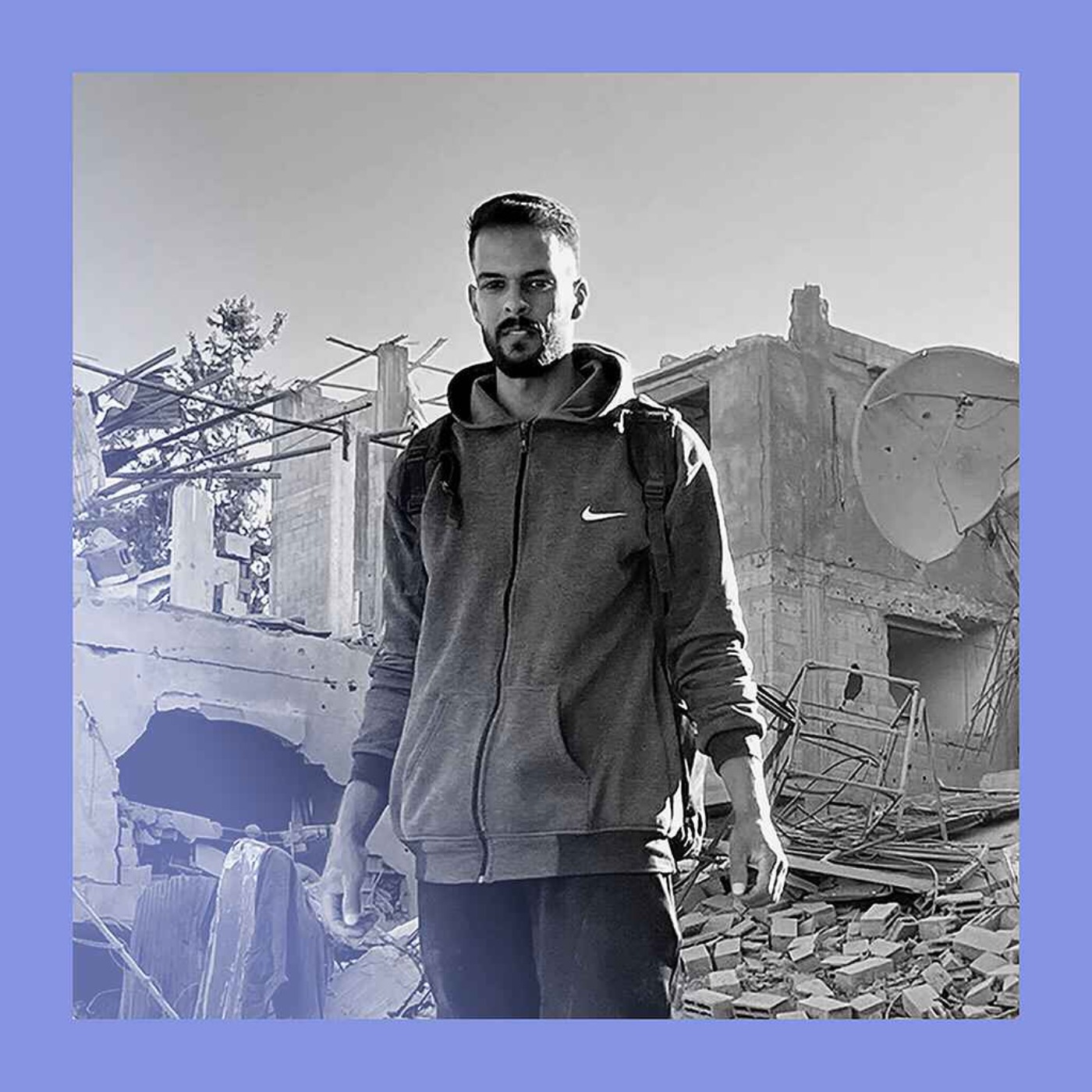
Public perception of nuclear power is skewed by highly visible but rare disasters. A data-driven risk analysis reveals it is one of the safest energy sources. Fossil fuels, through constant air pollution, cause millions of deaths annually, making them orders of magnitude more dangerous.

The immediate aftermath of a nuclear strike isn't just a blast. It's a thermonuclear flash creating a massive firestorm, a bulldozing wind effect that levels buildings, and intense radiation, followed by a conflagration of mega-fires from thousands of simultaneous strikes.
While AI may eventually create a world of abundance where energy and labor are free, the transition will be violent. The unprecedented scale of job displacement, coupled with a societal loss of meaning, will likely lead to significant bloodshed and social upheaval before any utopian endpoint is reached.

In a nuclear winter scenario, soot would block the sun, causing global agricultural failure. Climate models from Professor Brian Toon indicate that only Australia and New Zealand would likely remain capable of sustaining agriculture, making them the only viable locations for long-term survival.