Get your free personalized podcast brief
We scan new podcasts and send you the top 5 insights daily.
Gary Davis's act of renouncing his U.S. citizenship was so extreme and personal that it couldn't be dismissed as a mere publicity stunt. This high-stakes action created an authentic, compelling narrative that attracted immediate global media attention, proving more effective than conventional activism for launching his movement.

Related Insights
Auntie Anne's PR strategy was centered on founder Anne Beiler's personal, faith-driven story of receiving a "miraculous" recipe. Her dream was to appear on a specific Christian talk show to share this testimony. By making her personal journey the core of the brand narrative, the company created a compelling identity that fueled its franchise growth.

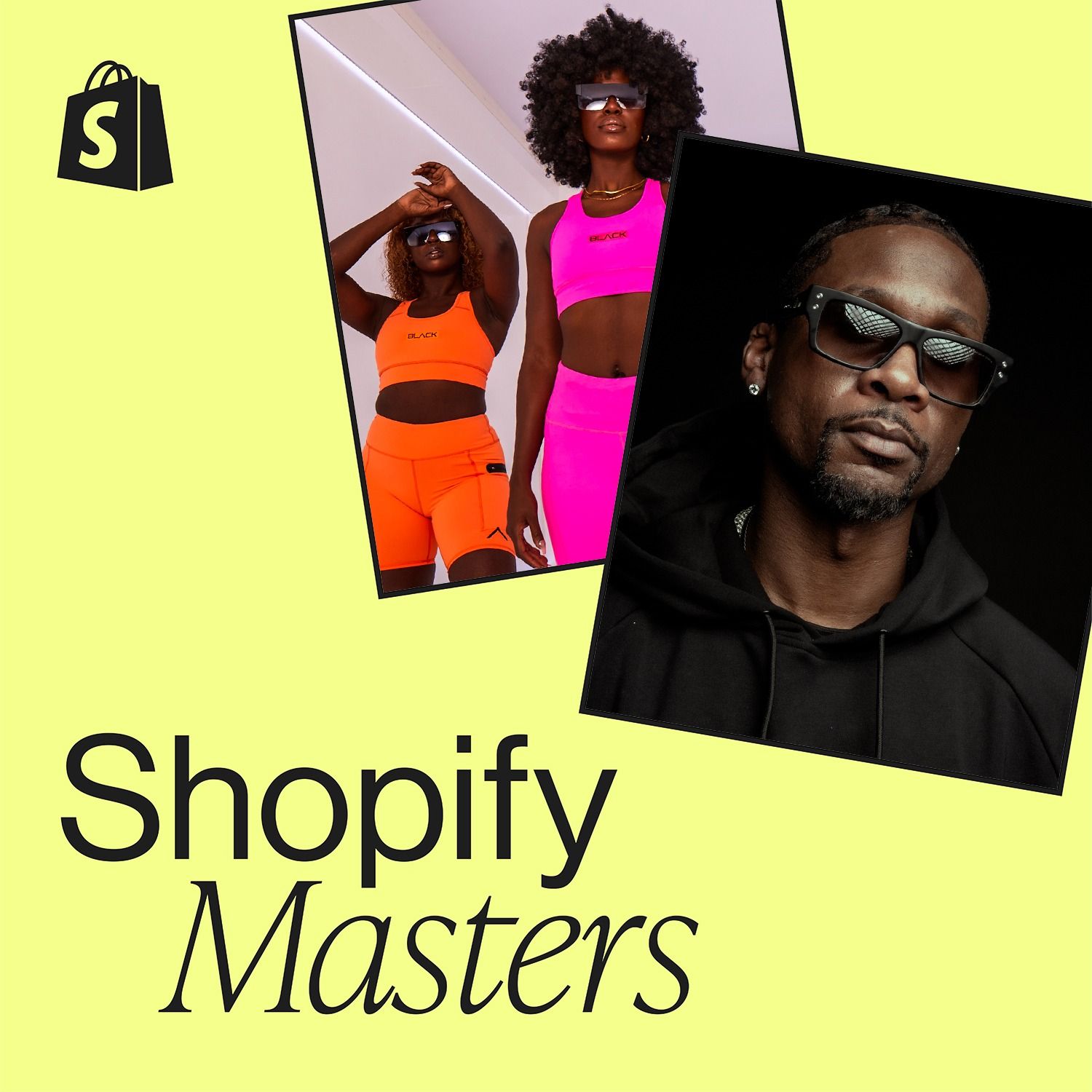
Lanny Smith was initially uncomfortable being the public face of Actively Black. He found, however, that sharing his personal story and motivations created a deeper customer connection than any marketing campaign could, making his authentic narrative the brand's most powerful growth tool.
Eric Zhu's viral story of taking VC calls from a high school bathroom wasn't a PR stunt; it was a genuine hardship. He later packaged this authentic struggle into compelling content, demonstrating that powerful marketing stories often come from real, unglamorous challenges.

Hint Water's ad costs dropped after they promoted an article about the founder's story. The emotional narrative resonated so strongly that even non-customers shared it, effectively acting as a volunteer sales force. This builds brand equity beyond simple product features and discounts.

Leaders can dramatically amplify the impact of their culture-changing actions by incorporating theatricality. Staging a memorable, dramatic event—like Hyperion's CEO serving only bread and water at a fancy hotel to signal austerity—makes the story emotionally resonant and ensures it spreads widely and is never forgotten.
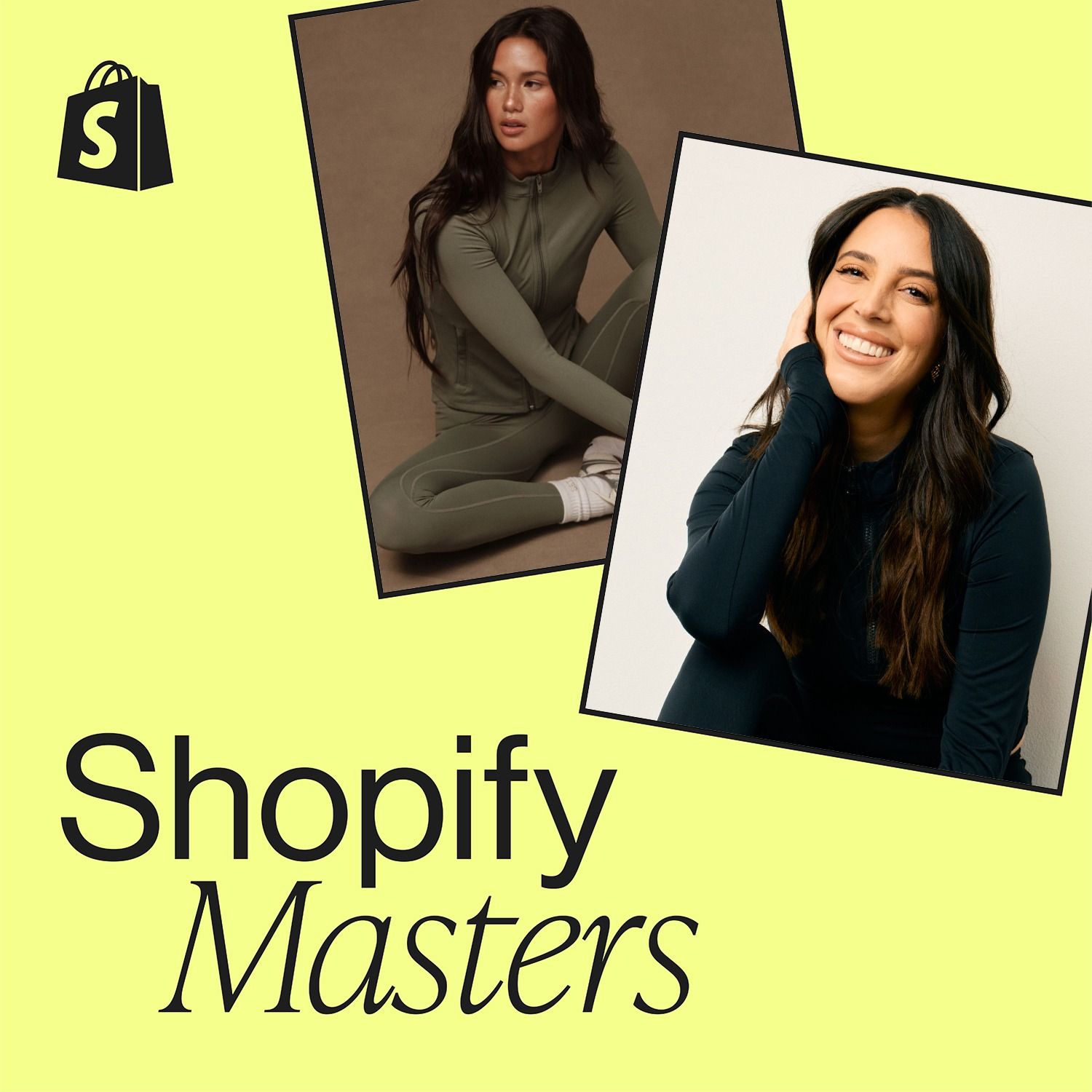
For founders without a large marketing budget, building in public isn't optional. Lindsay Carter attributes Set Active's initial hype to sharing behind-the-scenes content on her personal social media. She argues that consumers want to root for the underdog, and showing the story—failures and all—is the most effective way to build a loyal following from scratch.
The nature of marketing has shifted from promoting a faceless corporation to showcasing an authentic founder personality. Companies without an interesting character at the helm are at a disadvantage. This requires leaders to be public figures, as their personal brand, story, and voice are now integral to the company's identity and success.

To make a business narrative compelling, founders should lead with a surprising, personal detail. Jeffrey Katzenberg uses his unexpected presence at Burning Man as a hook to tell an investment story, proving that a personal connection captures an audience before the business case does.

The founder argued against a smaller donation, stating that the boldness of giving away 50% of profits *is* the core marketing story. This ambitious commitment is what motivates employees, hooks customers, and generates media attention, effectively acting as a powerful growth driver.

MedShadow’s founder is a “DES daughter,” whose mother took a drug that caused serious health problems in her children. This deeply personal origin story provides the organization with an authentic and compelling mission focused on drug safety and transparency.
