Get your free personalized podcast brief
We scan new podcasts and send you the top 5 insights daily.
Eric Zhu's viral story of taking VC calls from a high school bathroom wasn't a PR stunt; it was a genuine hardship. He later packaged this authentic struggle into compelling content, demonstrating that powerful marketing stories often come from real, unglamorous challenges.

Related Insights
Virality can be engineered by combining three key ingredients: something controversial, something funny, and something taken out of its usual context. According to Eric Zhu, blending these elements makes for a powerful and shareable story, as exemplified by the concept of sperm racing.
Eric Zhu's virality stems from a formula: intentionally create or lean into outrageous situations (e.g., running a business from a high school bathroom), document the chaos as content, A/B test various angles, and then push it out for mass distribution, creating a "viral machine."
Contrary to the belief that businesses must appear flawless, sharing behind-the-scenes struggles and unpolished content can build stronger community and loyalty. This raw authenticity resonates more with audiences than a curated image, humanizing the brand and making customers feel like part of the journey.
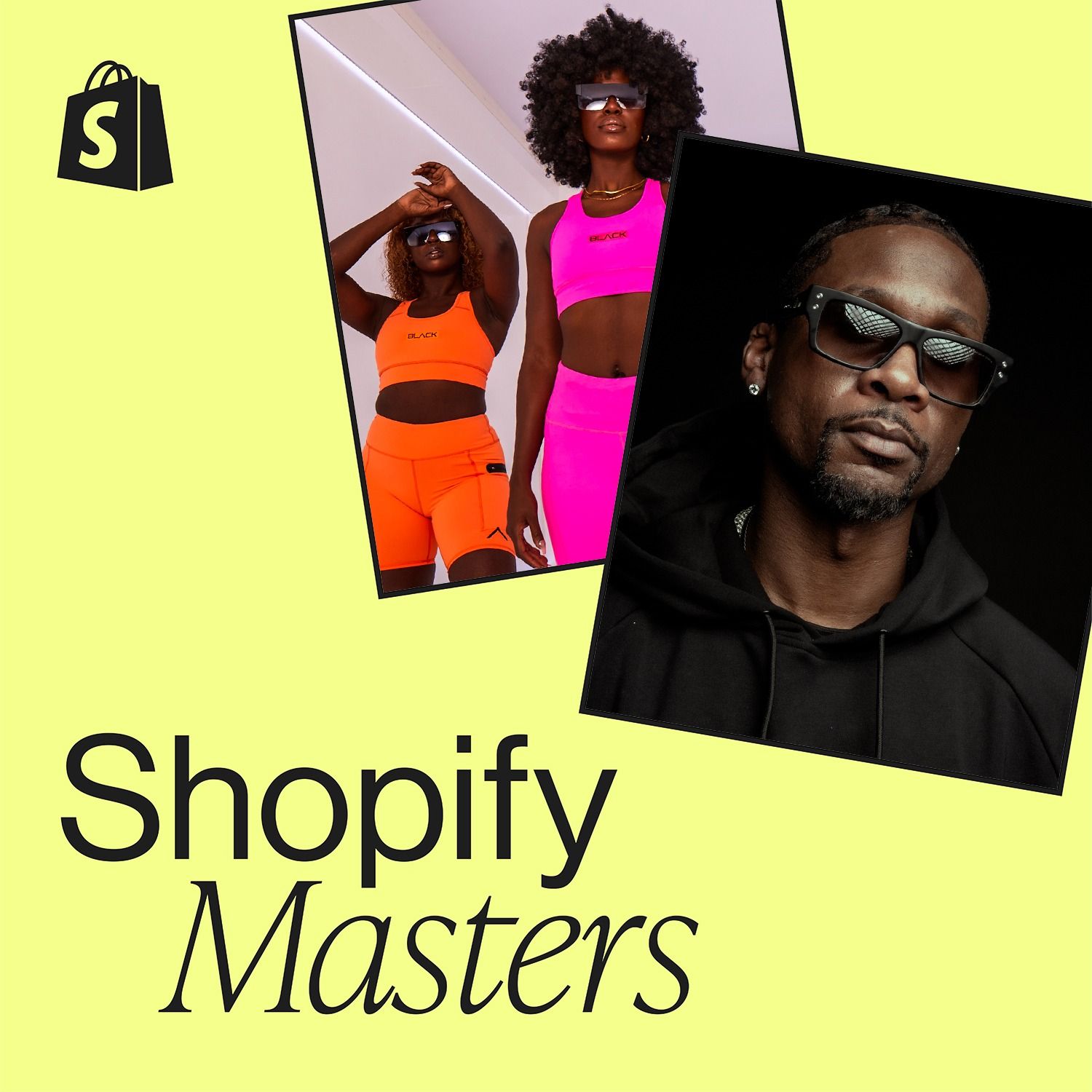
Lanny Smith was initially uncomfortable being the public face of Actively Black. He found, however, that sharing his personal story and motivations created a deeper customer connection than any marketing campaign could, making his authentic narrative the brand's most powerful growth tool.
Hormozi emphasizes that he started his top-ranked podcast just 90 days after a major failure. This strategy of documenting the rebuild in real-time, rather than retrospectively, creates a highly relatable and authentic narrative that builds deep trust with his entrepreneurial audience.

Seemingly costly failures provide the unique stories, data, and scars necessary to teach from experience. This authentic foundation is what allows an audience to trust your guidance, turning past losses into future credibility.

Instead of trying to produce polished content as an expert, founders should simply document their daily journey—challenges, learnings, and even product development decisions. This approach lowers the barrier to creation, feels more authentic to the audience, and invites them to contribute.

For founders without a large marketing budget, building in public isn't optional. Lindsay Carter attributes Set Active's initial hype to sharing behind-the-scenes content on her personal social media. She argues that consumers want to root for the underdog, and showing the story—failures and all—is the most effective way to build a loyal following from scratch.

The 'About Us' page is typically the second most-visited page. Instead of burying your origin story, feature it prominently. A compelling narrative about the founder's struggles and motivations, like a co-founder losing $100M, creates a powerful emotional connection that product features cannot.

The ultimate test of a viral concept is when it attracts inbound investor interest. Eric Zhu published a manifesto for sperm racing and had VCs reaching out to give him money before he had a business plan, indicating the idea itself possessed immense cultural resonance.