Get your free personalized podcast brief
We scan new podcasts and send you the top 5 insights daily.
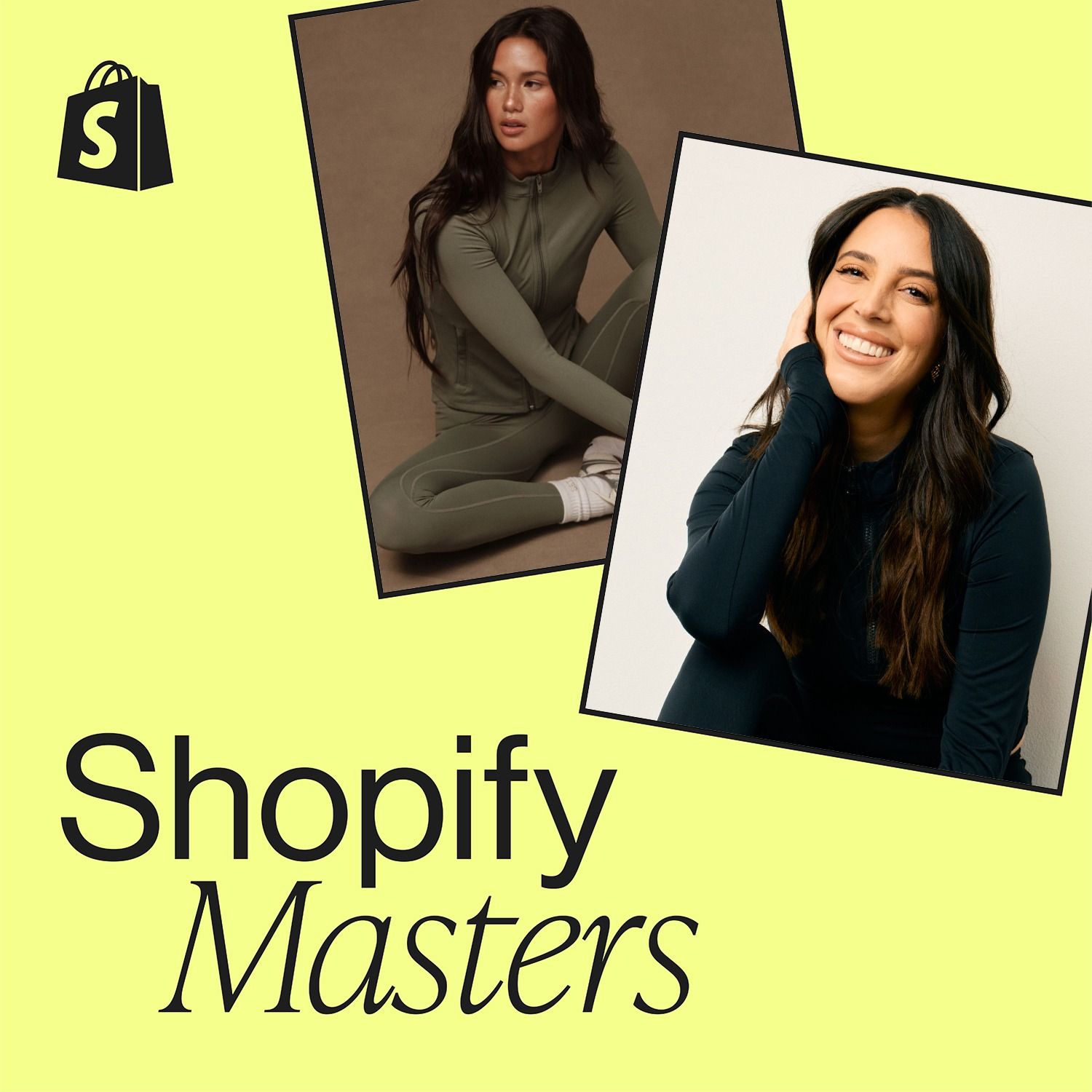
For founders without a large marketing budget, building in public isn't optional. Lindsay Carter attributes Set Active's initial hype to sharing behind-the-scenes content on her personal social media. She argues that consumers want to root for the underdog, and showing the story—failures and all—is the most effective way to build a loyal following from scratch.
Related Insights
Only showing the final, polished product makes others feel inadequate and behind. More importantly, it prevents you from building an engaged audience by not sharing the journey. Sharing mistakes, pivots, and behind-the-scenes struggles gives others permission to start messy and builds their curiosity for your eventual launch.

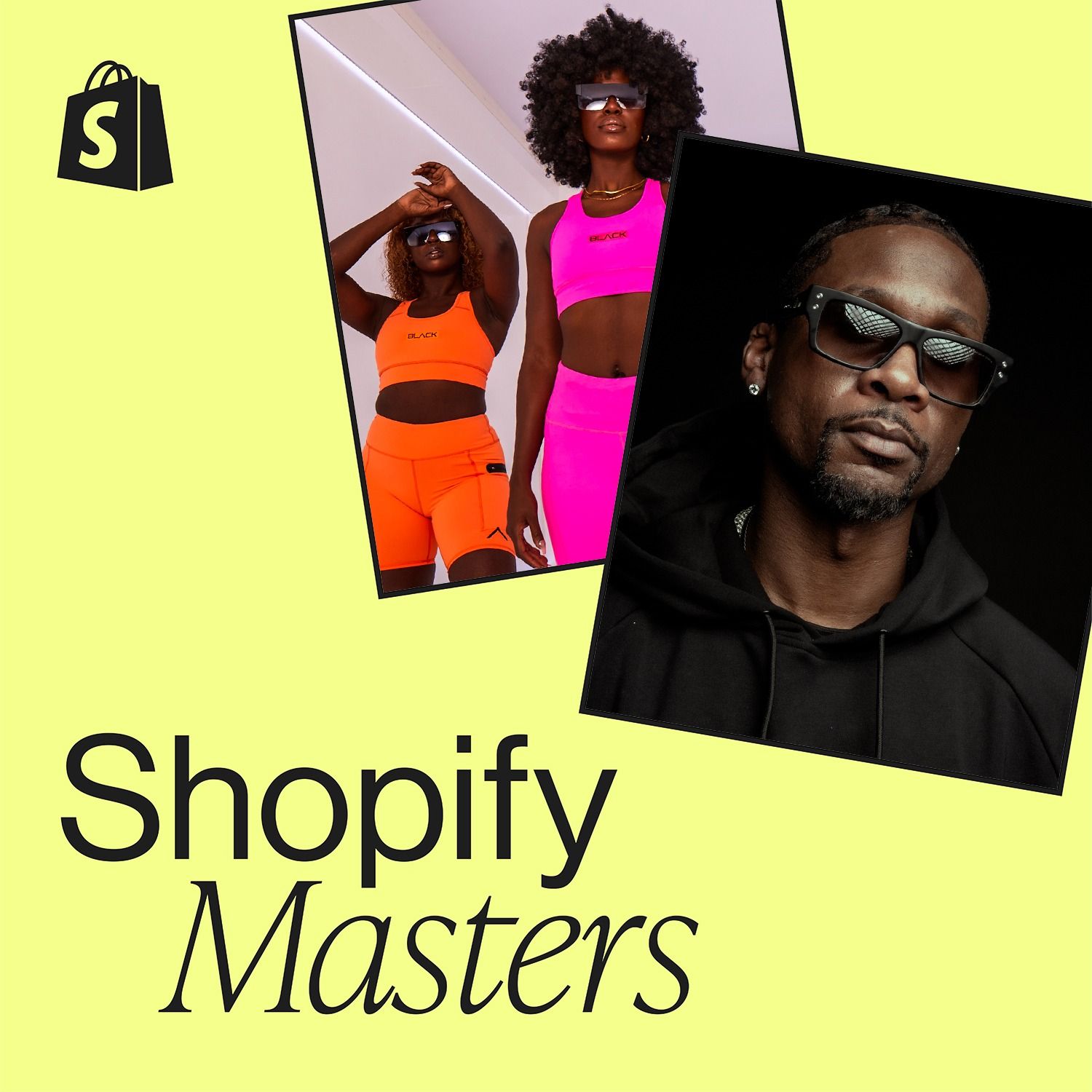
Lanny Smith was initially uncomfortable being the public face of Actively Black. He found, however, that sharing his personal story and motivations created a deeper customer connection than any marketing campaign could, making his authentic narrative the brand's most powerful growth tool.
Encourage team members, not just founders or marketers, to build their personal brands by publicly sharing their learnings and journey. This creates an organic, multi-pronged distribution engine that attracts customers, top talent, and investors. It's a highly underrated and cost-effective go-to-market strategy.

Birdies founder Bianca Gates argues that real community isn't a marketing tactic. It emerges organically from a founder's genuine need for help, leveraging personal networks for everything from feedback to early sales. This desperation creates authentic early evangelists.
Traditional content like tutorials and blog posts often fails to engage a technical audience. A more effective marketing strategy is to use the tool to build interesting, ambitious projects in public. This showcases the tool's power and attracts a builder audience by sharing the process, including the unresolved challenges.
Instead of trying to produce polished content as an expert, founders should simply document their daily journey—challenges, learnings, and even product development decisions. This approach lowers the barrier to creation, feels more authentic to the audience, and invites them to contribute.

Bianca Gates argues against hiding your idea. Success comes from execution, which is impossible in isolation. By "begging" friends and early supporters for help, you build an invested community that becomes part of the product's iteration and success from day one.
Missive's founder initially attributes their success to "build it and they will come," but quickly details the reality: years of targeted, low-cost marketing. This included SEO-driven content and active participation in social media. True success came not from passivity, but from relentless, product-focused marketing.

In a product-led world, the B2B concept of 'founder-led sales' evolves into 'founder-led marketing.' Founders must deeply own the brand's narrative. This means personally onboarding key influencers and being the first to learn how to tell the story broadly, ensuring the message is right before scaling the function.
