Get your free personalized podcast brief
We scan new podcasts and send you the top 5 insights daily.
A cultural strategist focuses on society and group dynamics rather than individual psychology. The premise is that humans are "group animals," and understanding collective shifts in attitudes and beliefs is key to interpreting how trends play out in the world, which is crucial for achieving brand relevance.

Related Insights
To change how a brand is perceived, connect it to a broader, culturally significant movement. For example, a UK podiatry college successfully reframed its profession by positioning it not as foot care, but as an extension of the popular and growing wellness industry.

Marcus Collins explains that brands limited to their product (e.g., toothpaste) have little to talk about. However, a brand with a broader ideology (like Nike's belief that "Every human body is an athlete") gains entry and authority to engage in wider cultural discourse, creating significant energy and relevance.
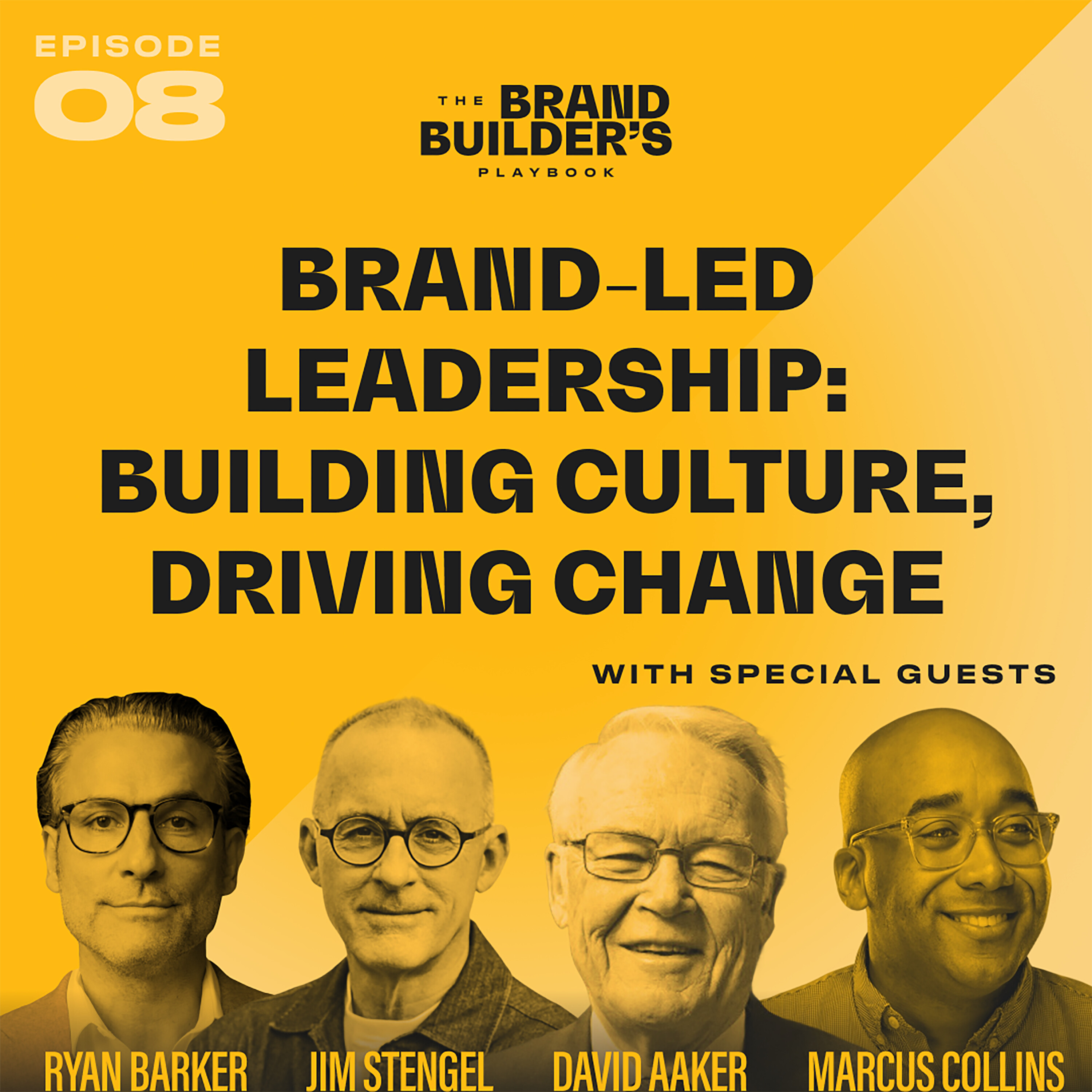
Humans are tribal, and adopting a certain belief is often the price of admission to a desired group. This applies to politics, brands, and company culture. Marketers and leaders can leverage this by framing their ideas as a key to identity and belonging within a tribe.

Understanding current trends is crucial for any brand. This isn't passive knowledge; it requires dedicated daily research, using tools like ChatGPT to systematically analyze what's happening across various cultures. This active intelligence gathering is a core business function.

The definition of "culture" is often limited to what's popular or "cool" in mainstream media. However, enormous, passionate cultures exist in niche verticals like fishing or hunting. Tapping into these overlooked communities can be a powerful branding strategy.

Consumers now expect brands to be active participants in culture, not just observers who use insights for campaigns. This requires brands to move beyond their comfort zone of brand safety guidelines and take a stance on relevant social issues, which is difficult but necessary to win consumer hearts.

The ability to "see around corners" and predict trends isn't a mystical talent but the result of being obsessively consumer-centric. By watching small changes in fashion, language, and daily behavior, one can develop an intuition for anticipating larger market shifts.
Unlike previous eras focused on broad, mass-market appeal, today's winning marketing strategy builds and mobilizes deep, committed tribes of followers. This 'cult and tribe' approach, exemplified by Elon Musk, secures capital, customers, and talent by fostering a phalanx of true believers.

Many brands mistake chasing trends for strategy. A real social strategy translates the brand's core emotional value into content that creates culture. It's about proactive brand-building, not just reactive trend-hopping, which is a common but flawed approach.

To become part of the cultural zeitgeist, brands must formally prioritize it. This involves creating a dedicated "culture pops" budget for unforeseen opportunities and fostering an environment where taking many experimental swings (and missing) is acceptable. This increases the odds of a viral hit without betting the farm on one big idea.
