Get your free personalized podcast brief
We scan new podcasts and send you the top 5 insights daily.
Unlike previous eras focused on broad, mass-market appeal, today's winning marketing strategy builds and mobilizes deep, committed tribes of followers. This 'cult and tribe' approach, exemplified by Elon Musk, secures capital, customers, and talent by fostering a phalanx of true believers.

Related Insights
Forget the unicorn obsession. Focus on building an “elephant”: a durable company defined by three traits. 1) Community Obsessive (customers are “members”). 2) Purpose-Driven (changing an industry, not adding a feature). 3) Building in Public (founder is the face). This framework prioritizes resilience and cult-like followings over vanity metrics.

Instead of traditional marketing, using obscure channels forces your most dedicated fans to dig for information. This transforms them into evangelists who spread the word to the wider, more passive audience, creating an organic and powerful marketing engine built on scarcity and discovery.

The core innovation of Silicon Valley may not be technology, but its mastery of marketing. This skill, which faded after Steve Jobs' death, was reignited by Elon Musk's "Jobsian" style, making marketing a central pillar of success again.
In an era of diminished direct marketing, the old mantra "make something people want" is insufficient. The new imperative is to "make something people want to talk about." This shifts focus to creating products with inherent virality and word-of-mouth potential, turning customers into a marketing channel.

To achieve massive reach, start with a hyper-specific target audience. By writing "The 4-Hour Workweek" for just two friends and marketing it to a narrow demographic in one city, Tim Ferriss created a concentrated ripple effect that naturally expanded to millions. A broad approach dilutes your message.
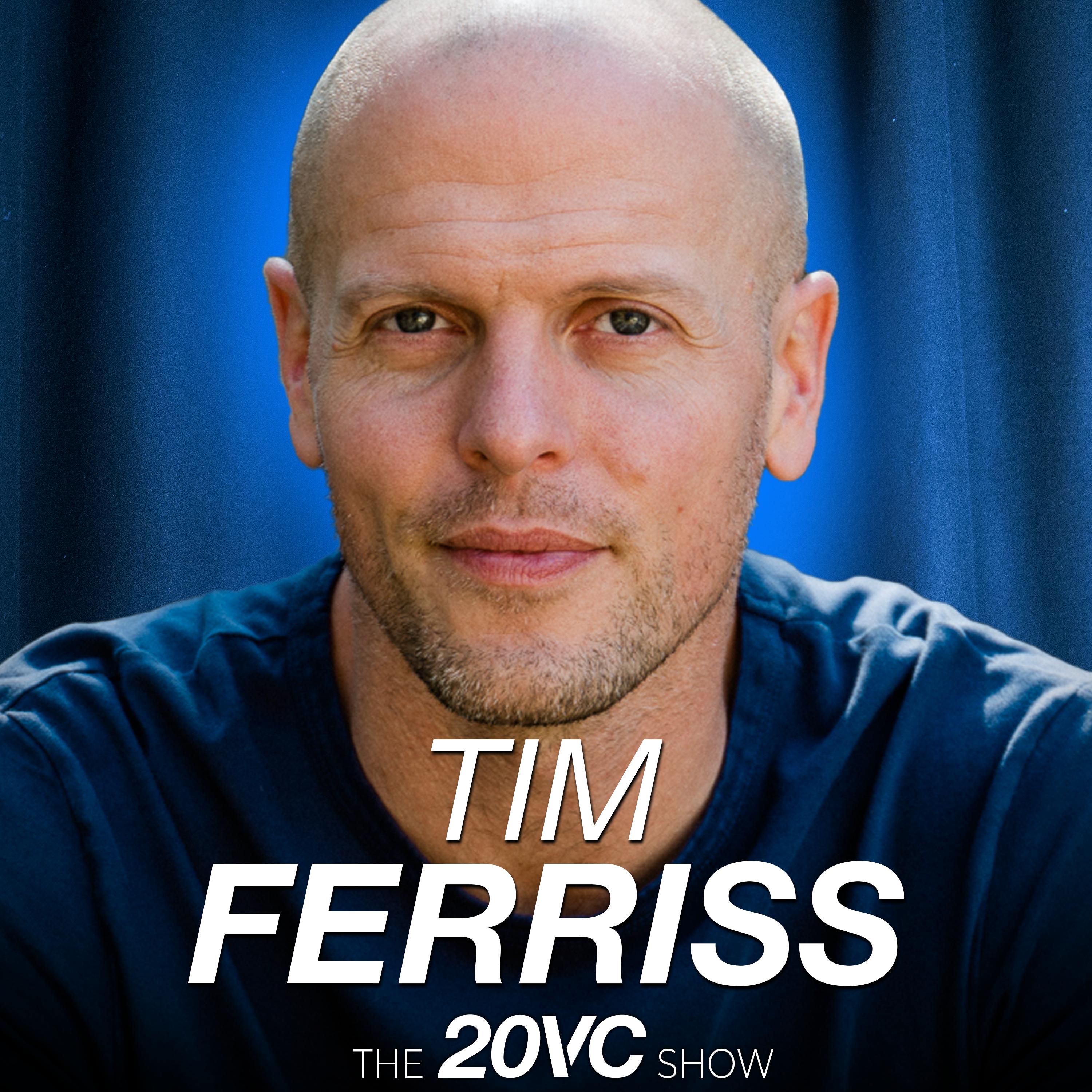
A successful startup often resembles a cult, requiring a leader who communicates their vision with unwavering, first-person conviction. Hiding the founder behind polished PR spokespeople is a mistake; it neuters the contagious belief required to recruit talent and build a movement against impossible odds.

Don't dismiss the success of celebrity brands as unattainable. Instead, analyze the core mechanism: massive 'free reach' and 'memory generation.' The takeaway isn't to hire a celebrity, but to find your own creative ways to generate a similar level of organic attention and build a tribe around your brand.

The pinnacle of branding is achieving "tribal belonging." At this stage, customers don't just consume the brand; they co-own it and become its most powerful advocates. The brand's community can sustain its power even in the absence of the core product.
