Get your free personalized podcast brief
We scan new podcasts and send you the top 5 insights daily.
The definition of "culture" is often limited to what's popular or "cool" in mainstream media. However, enormous, passionate cultures exist in niche verticals like fishing or hunting. Tapping into these overlooked communities can be a powerful branding strategy.

Related Insights
Marcus Collins explains that brands limited to their product (e.g., toothpaste) have little to talk about. However, a brand with a broader ideology (like Nike's belief that "Every human body is an athlete") gains entry and authority to engage in wider cultural discourse, creating significant energy and relevance.
Businesses with passionate but niche audiences, like the UFC or F1, can break into the mainstream by producing "on-ramp" content. A human-interest show (like F1's "Drive to Survive") provides an accessible entry point for new fans, demystifying the niche and driving massive growth by solving the discovery problem.

In an age of infinite content, GQ's editor argues that to achieve cultural impact and growth, brands must be concise, declarative, and essentially "niche." He repositioned GQ from a general men's magazine to the focused "global flagship of men's fashion" to seize a specific, powerful identity in a crowded market.
"Culture" is often used too broadly. Brands should focus on "Little C" culture by tapping into existing pillars like music or sports. "Big C" culture—macro societal shifts—is a rare feat achievable only by platform-level brands like TikTok.

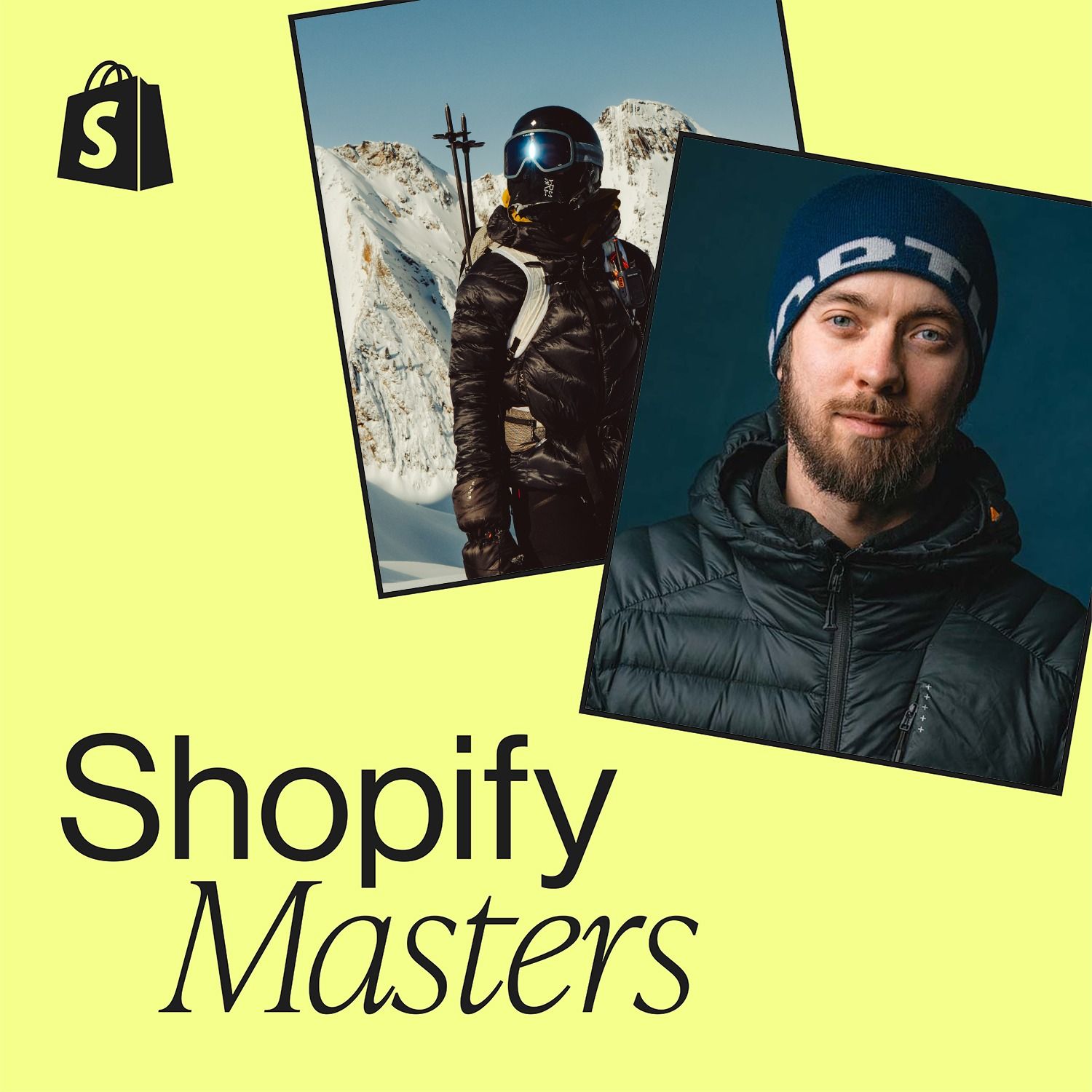
True influence in niche communities often lies with respected experts who lack a large social media presence. Building relationships with these 'invisible influencers,' like dedicated ski bums, by providing free products can generate powerful, authentic word-of-mouth credibility.
To stand out in a crowded feed like LinkedIn, frame business insights through a personal hobby. A post about 'What Fly Fishing Taught Me About Business' acts as a pattern interrupt, creating a human connection that is more likely to be read than another generic business article.
BroBible consciously resisted the industry-wide pivot to SEO-driven "how-to" articles and buying guides. Recognizing they couldn't win by following the crowd, they instead focused on their unique strength: covering cultural figures and the "in-between" stories in sports, which differentiated their brand.

Episodes that underperformed with the general audience, like those on Nintendo or cricket, proved invaluable by attracting influential "superfans," including Meta executives and author Michael Lewis. This shows that catering to a passionate niche can yield more strategic value than broad, moderate appeal.

Frito-Lay's Flamin' Hot brand moves beyond simple influencer marketing by studying and collaborating with obsessed subcultures. This approach informs not only marketing campaigns, like a song with Megan Thee Stallion, but also its core product innovation pipeline, making marketing a byproduct of deep cultural integration.
For a niche product like non-fluoride toothpaste, the strategy is not to change everyone's habits at once. Instead, hyper-focus on a pre-existing community—a 'tribe' that already shares strong beliefs and will act as natural evangelists, amplifying the product's message organically within their network.
