Get your free personalized podcast brief
We scan new podcasts and send you the top 5 insights daily.
While accelerators emphasize speed, SPC's model prioritizes exploration to ensure founders are sprinting towards the right goal. This "minus one to zero" phase helps founders confirm they're working on something that gives them "enough juice in the tank" for the long marathon of building a company.
Related Insights
The founder journey requires different skills at different stages. Instead of being a generalist CEO for ten years, founders can specialize in the chaotic 0-to-1 phase. By repeatedly building companies to initial traction and then handing them off, they get more reps and build deep expertise.

Precursor Ventures makes "directional people bets" by investing smaller checks ($150-250K) in top-tier founders to fund their search for a viable business concept. This strategy prioritizes founder quality over the initial idea, recognizing that great founders can pivot to find product-market fit.

Since startups lack infinite time and money, an investor's key diligence question is whether the team can learn and iterate fast enough to find a valuable solution before resources run out. This 'learning velocity' is more important than initial traction or a perfect starting plan.

Instead of chasing trends or pivoting every few weeks, founders should focus on a singular mission that stems from their unique expertise and conviction. This approach builds durable, meaningful companies rather than simply chasing valuations.

Northwood's culture aims to "accomplish unreasonable things on unreasonable timelines." This isn't achieved by simply working harder, but by fostering cleverness. Teams must understand a problem so deeply they can identify and take smart, calculated risks and trade-offs, which is the real key to accelerating progress.

Before officially starting, founders are in a '-1 to 0' phase. Instead of rushing, they should take months or even a year to find a core purpose they can commit to for a decade. This deep conviction provides immense peace, prevents reactive pivots, and sets a stable foundation for the long term.
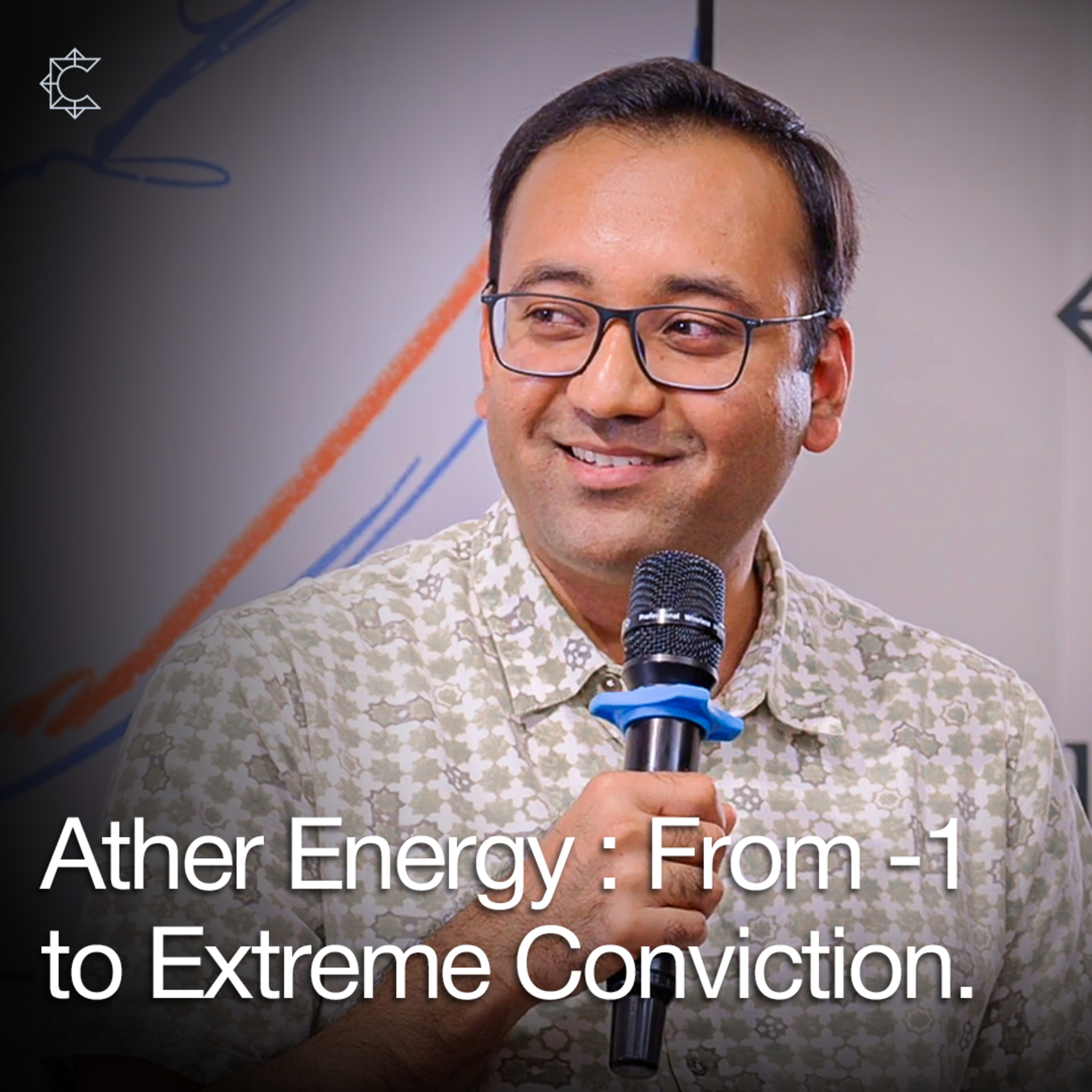
Aditya Agarwal's firm, SPC, uses a framework to evaluate founders at the pre-idea "negative one to zero" stage. They prioritize work ethic (engine), the ability to attract talent (magnetism), clear thinking amidst uncertainty (clarity), and profound curiosity in multiple domains (depth).
The Sprint0 team realized that even a great idea needs the right founders. They passed on building a WordPress competitor, despite its potential, because it required strong developer evangelism skills they didn't possess. This highlights the importance of aligning the business model with founder strengths.

The firm distinguishes between speed (magnitude) and velocity (magnitude plus direction). Founders are encouraged to focus on velocity, ensuring the entire team is moving quickly *in the right direction*. This prevents wasted effort where mere motion is mistaken for progress, a common trap in turbulent markets.

A founder deep in the idea maze can articulate not just their current path, but also the alternatives they considered and why they were rejected. This demonstrates a profound understanding of their domain and problem space.