Get your free personalized podcast brief
We scan new podcasts and send you the top 5 insights daily.
Precursor Ventures makes "directional people bets" by investing smaller checks ($150-250K) in top-tier founders to fund their search for a viable business concept. This strategy prioritizes founder quality over the initial idea, recognizing that great founders can pivot to find product-market fit.
Related Insights
The firm's thesis focuses on a rare founder type: a technical expert who also deeply understands how new technologies shift human behavior. This avoids the common pitfall of building technology in search of a problem, leading to products with innate market pull.
To win the best pre-seed deals, investors should engage high-potential talent during their 'founder curious' phase, long before a formal fundraise. The real competition is guiding them toward conviction on their own timeline, not battling other VCs for a term sheet later.
Beyond vision, the most exceptional founders can convince top talent to take pay cuts, persuade investors to fund them, and sign initial customers against all odds. This ability to conjure key resources is a primary indicator of success for early-stage investors to identify.

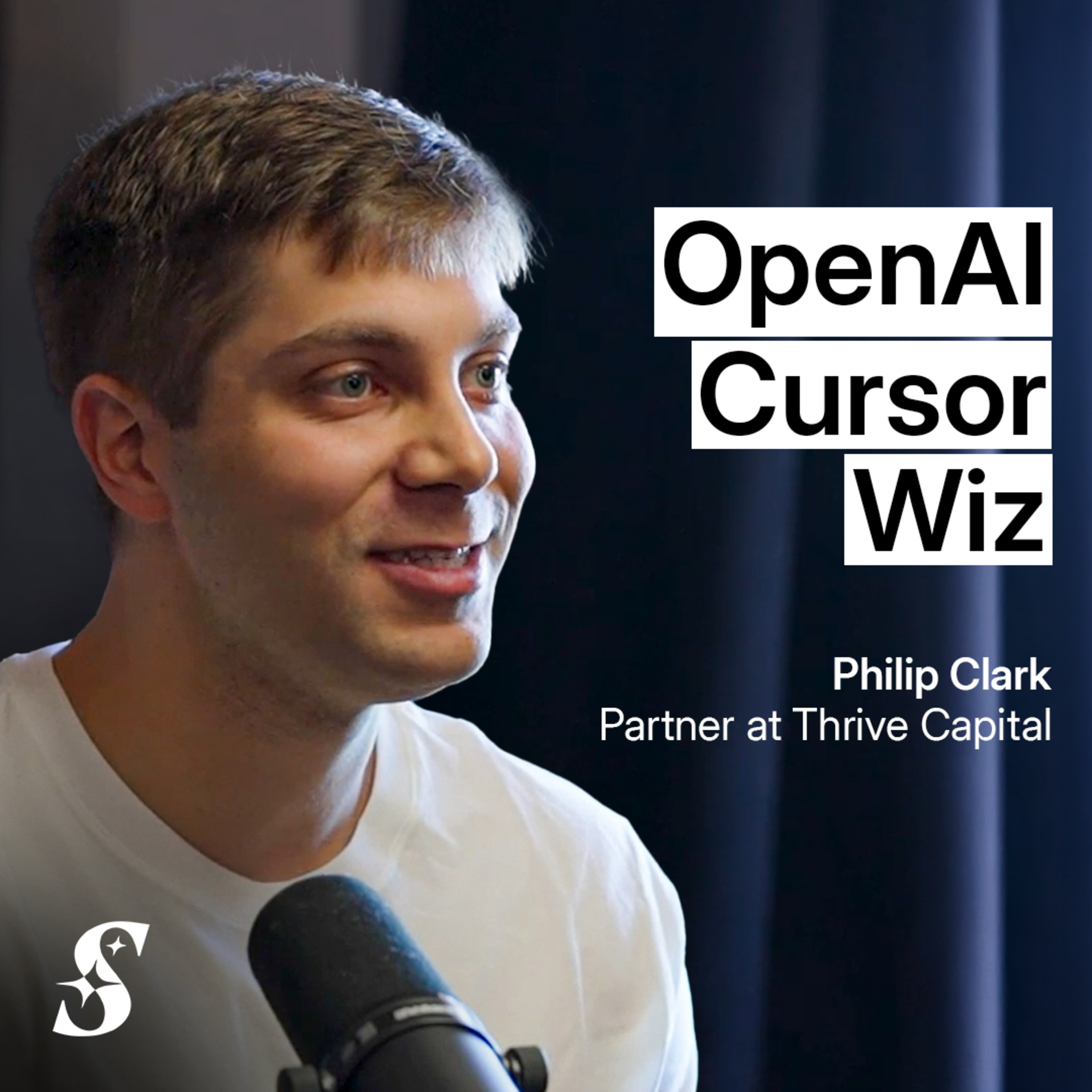
When meeting Cursor's founder, the investor felt an "electric energy" even as the founder was pivoting away from his original idea. This highlights that for elite early-stage investors, the founder's intrinsic drive and potential are the constant to bet on, as ideas will inevitably change.
WonderCo first maps a target market to find an exceptional company to back. They only choose to incubate a new company from scratch if their deep search reveals no existing "rocket" to provide fuel for, ensuring they build from a position of unique market insight.

The firm’s core belief is being a fund *for* founders, trusting them to run their companies without heavy operational input. This hands-off approach gives partners the bandwidth and "permission" to go deep on their own projects, leading to spinouts like Anduril and Varda.

A truly exceptional founder is a talent magnet who will relentlessly iterate until they find a winning model. Rejecting a partnership based on a weak initial idea is a mistake; the founder's talent is the real asset. They will likely pivot to a much bigger opportunity.

Lonsdale recounts passing on brilliant founders with seemingly terrible ideas, only to watch them pivot and build billion-dollar companies like Cursor. The lesson for early-stage investors is to prioritize backing exceptional, world-class talent, even if their initial concept seems flawed, as they possess the ability to find a winning strategy.

The most potent source of new, truly cutting-edge investment opportunities isn't inbound emails or demo days, but rather the networks of the exceptional founders and scientists you've already backed. These individuals are at the frontier and can identify the next wave of talent.
![[REPLAY] Josh Wolfe – Seeing the Lux (Capital Allocators, EP.65) thumbnail](https://static.libsyn.com/p/assets/f/b/7/6/fb76e1c8bfb69e8dd959afa2a1bf1c87/CA_Square_logo_light_background_6.26.24.jpg)
Small, dedicated venture funds compete against large, price-insensitive firms by sourcing founders *before* they become mainstream. They find an edge in niche, high-signal communities like the Thiel Fellowship interviewing committee or curated groups of technical talent. This allows them to identify and invest in elite founders at inception, avoiding bidding wars and market noise.
