Get your free personalized podcast brief
We scan new podcasts and send you the top 5 insights daily.
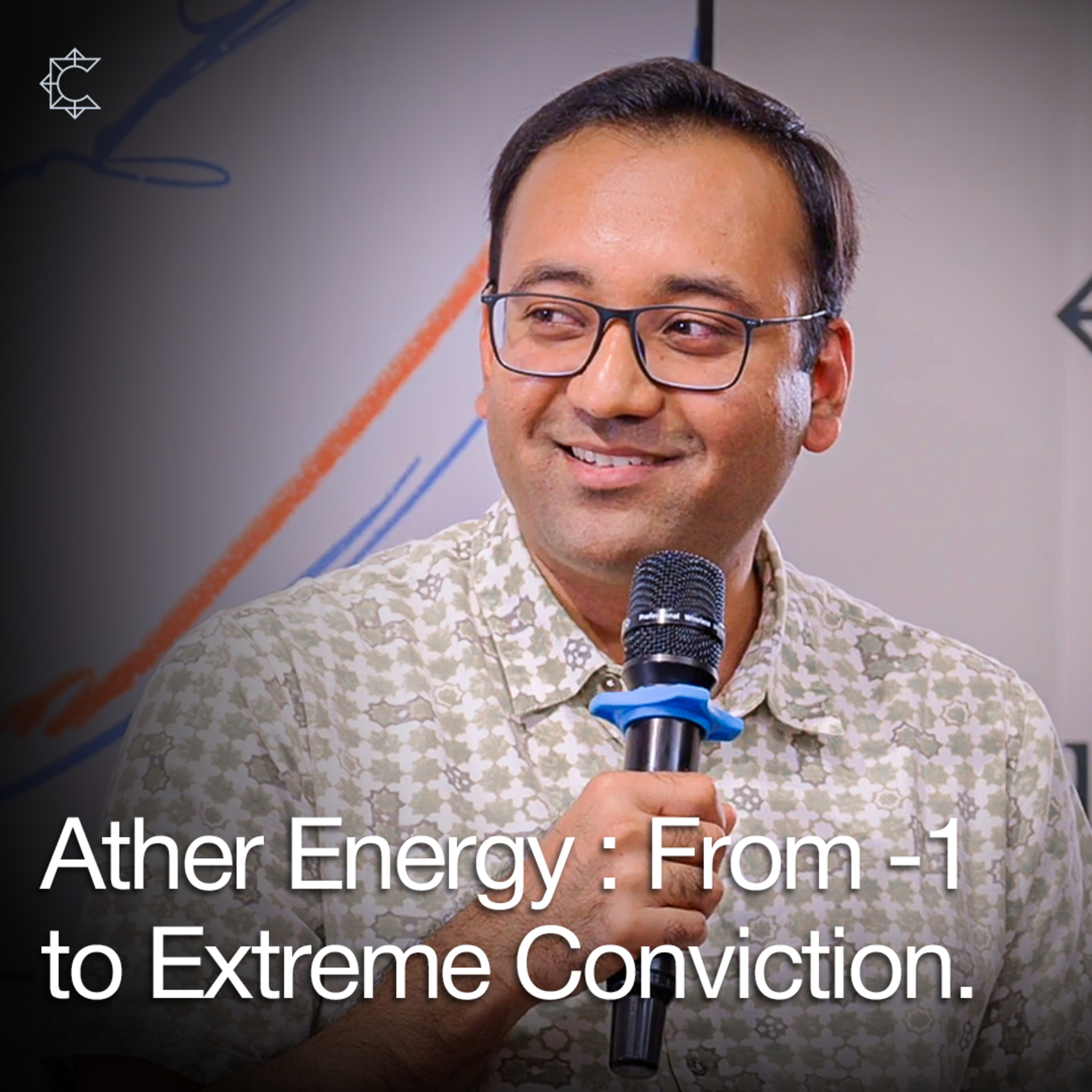
Before officially starting, founders are in a '-1 to 0' phase. Instead of rushing, they should take months or even a year to find a core purpose they can commit to for a decade. This deep conviction provides immense peace, prevents reactive pivots, and sets a stable foundation for the long term.
Related Insights
True entrepreneurship often stems from a 'compulsion' to solve a problem, rather than a conscious decision to adopt a job title. This internal drive is what fuels founders through the difficult decisions, particularly when forced to choose between short-term financial engineering and long-term adherence to a mission of creating real value.
Founders often mistake their preferences for principles. A true principle is a non-negotiable rule you adhere to regardless of the trade-offs (e.g., 'always do things the right way'). A preference is a desired path you're willing to abandon when circumstances change (e.g., 'prefer not to build a sales team yet'). Clarifying this distinction leads to more consistent and high-integrity decisions.

Don't start a company in a space you're indifferent to and ignorant of. Your founding idea must be anchored in either deep domain expertise ("what you know") or a genuine, intense passion for the problem ("what you care about"). Lacking both is playing on "extra hard mode."

Many founders start companies simply because they want the title, not because they are obsessed with a mission. This is a critical mistake, as only a deep, personal passion for a problem can sustain a founder through the inevitable hardships of building a startup.
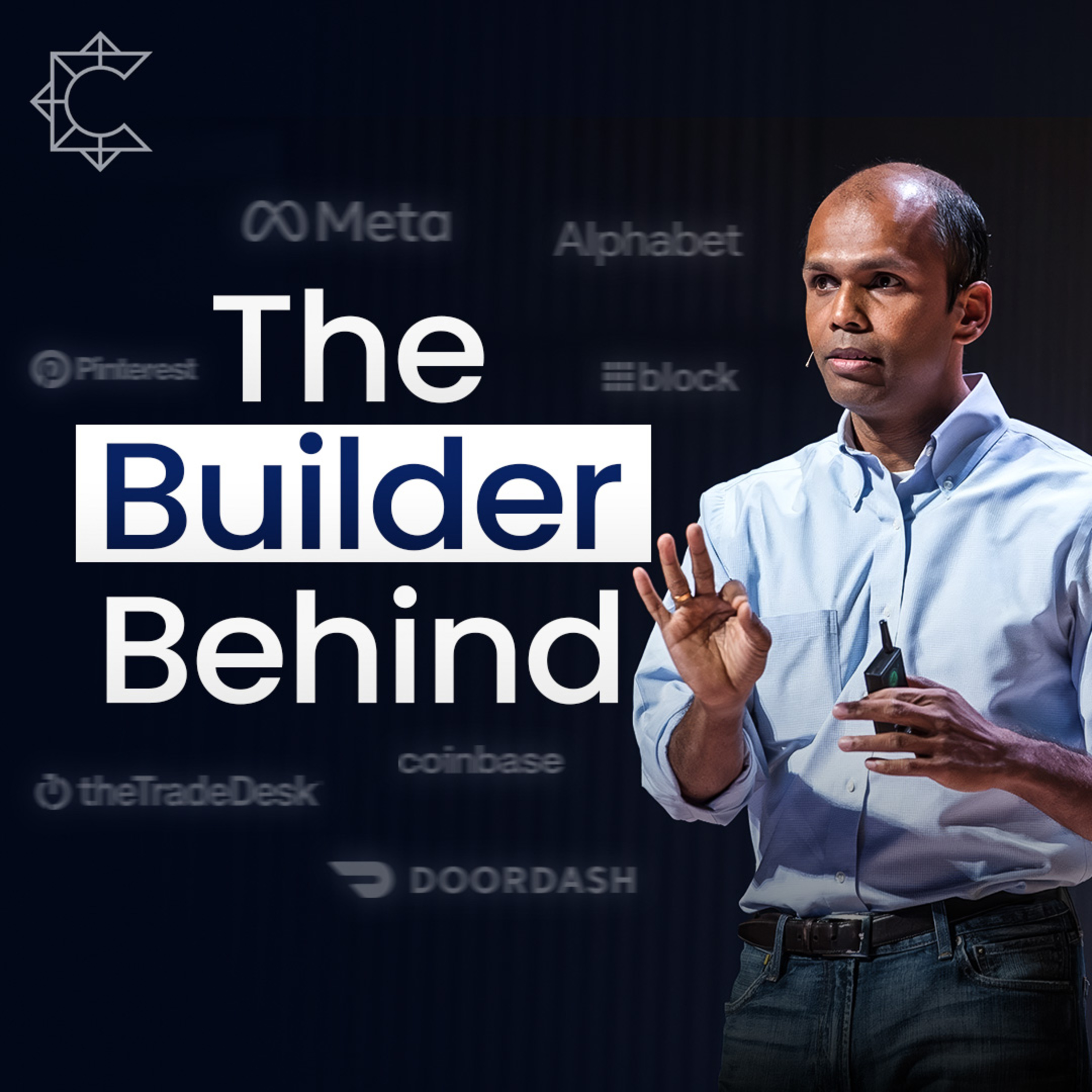
Instead of optimizing for a quick win, founders should be "greedy" and select a problem so compelling they can envision working on it for 10-20 years. This long-term alignment is critical for avoiding the burnout and cynicism that comes from building a business you're not passionate about. The problem itself must be the primary source of motivation.

Spend significant time debating and mapping out a project's feasibility with a trusted group before starting to build. This internal stress-test is crucial for de-risking massive undertakings by ensuring there's a clear, plausible path to the end goal.
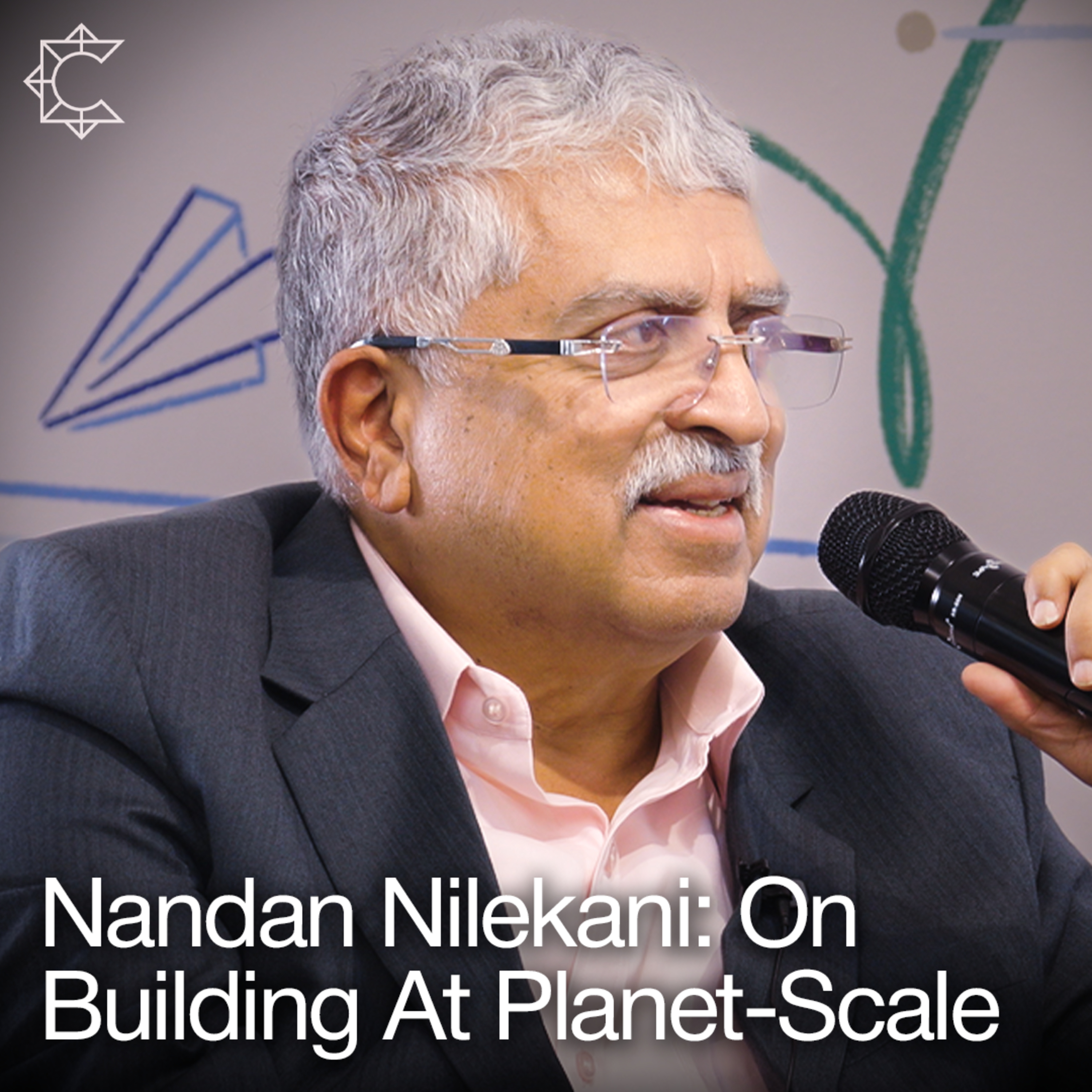
Instead of chasing trends or pivoting every few weeks, founders should focus on a singular mission that stems from their unique expertise and conviction. This approach builds durable, meaningful companies rather than simply chasing valuations.

A visionary founder must be willing to shelve their ultimate, long-term product vision if the market isn't ready. The pragmatic approach is to pivot to an immediate, tangible customer problem. This builds a foundational business and necessary ecosystem trust, paving the way to realize the grander vision in the future.