Get your free personalized podcast brief
We scan new podcasts and send you the top 5 insights daily.
The Sprint0 team realized that even a great idea needs the right founders. They passed on building a WordPress competitor, despite its potential, because it required strong developer evangelism skills they didn't possess. This highlights the importance of aligning the business model with founder strengths.

Related Insights
An idea is only "good" for a specific founder if it aligns with their unique background, skills, and passions. What seems like a terrible idea to one person can be a perfect fit for another, because their life experiences give them a unique insight and unfair advantage in executing it.

For hardworking and talented individuals, the single most important variable for success is the project they choose. Working on a weak market opportunity or a poor founder-fit project can waste years of effort, regardless of skill.

Extensive diligence on a seed-stage company's market or product is often wasted effort. The majority of successful seed investments pivot to a completely different business model, making the founding team's quality and resilience the most crucial factor to evaluate.

The ideal founder archetype starts with deep technical expertise and product sense. They then develop exceptional business and commercial acumen over time, a rarer and more powerful combination than a non-technical founder learning the product.
![David George - Building a16z Growth, Investing Across the AI Stack, and Why Markets Misprice Growth - [Invest Like the Best, EP.450] thumbnail](https://megaphone.imgix.net/podcasts/8da7dbd8-ceeb-11f0-941c-ef83bcdd4c9f/image/d44107bc94719f78fbe91befb141073e.jpg?ixlib=rails-4.3.1&max-w=3000&max-h=3000&fit=crop&auto=format,compress)
Don't start a company in a space you're indifferent to and ignorant of. Your founding idea must be anchored in either deep domain expertise ("what you know") or a genuine, intense passion for the problem ("what you care about"). Lacking both is playing on "extra hard mode."

Many failed ventures come from founders who either understand an industry but can't build, or can build but don't understand its nuances. True disruption happens at the intersection of these two archetypes, as embodied by the founding team.

Instead of searching for a market to serve, founders should solve a problem they personally experience. This "bottom-up" approach guarantees product-market fit for at least one person—the founder—providing a solid foundation to build upon and avoiding the common failure of abstract, top-down market analysis.
Investor Jason Calacanis outlines his key evaluation criteria for founders. The most lethal combination includes the ability to ship product quickly, an eye for elite design, and a deep, personal obsession with their mission. He notes that skills like marketing can be learned, but these core traits are essential.
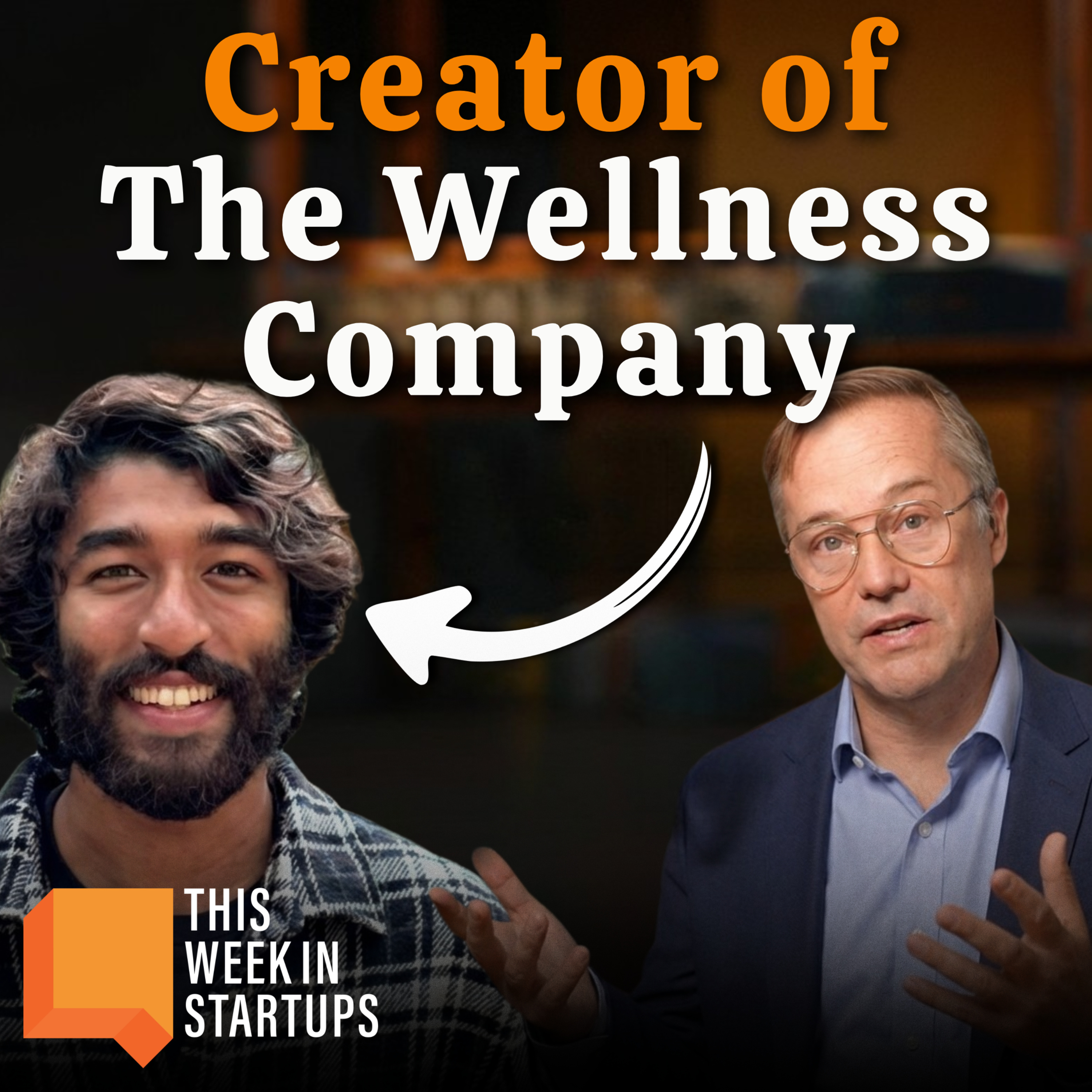
A truly exceptional founder is a talent magnet who will relentlessly iterate until they find a winning model. Rejecting a partnership based on a weak initial idea is a mistake; the founder's talent is the real asset. They will likely pivot to a much bigger opportunity.
Founder-market fit isn't about resume alignment; it's about a relentless obsession. The litmus test: could you talk about your company's mission for an hour at Thanksgiving without getting tired? This deep passion is a prerequisite for building in public, recruiting top talent, and winning in a crowded market.
