Get your free personalized podcast brief
We scan new podcasts and send you the top 5 insights daily.
Aditya Agarwal's firm, SPC, uses a framework to evaluate founders at the pre-idea "negative one to zero" stage. They prioritize work ethic (engine), the ability to attract talent (magnetism), clear thinking amidst uncertainty (clarity), and profound curiosity in multiple domains (depth).
Related Insights
Investor Viktor Orlovsky reveals his mental model for evaluating founders: he compares new prospects to his "role models" of obsession and leadership. This method of pattern-matching against successful archetypes from his portfolio helps him decide who to back.

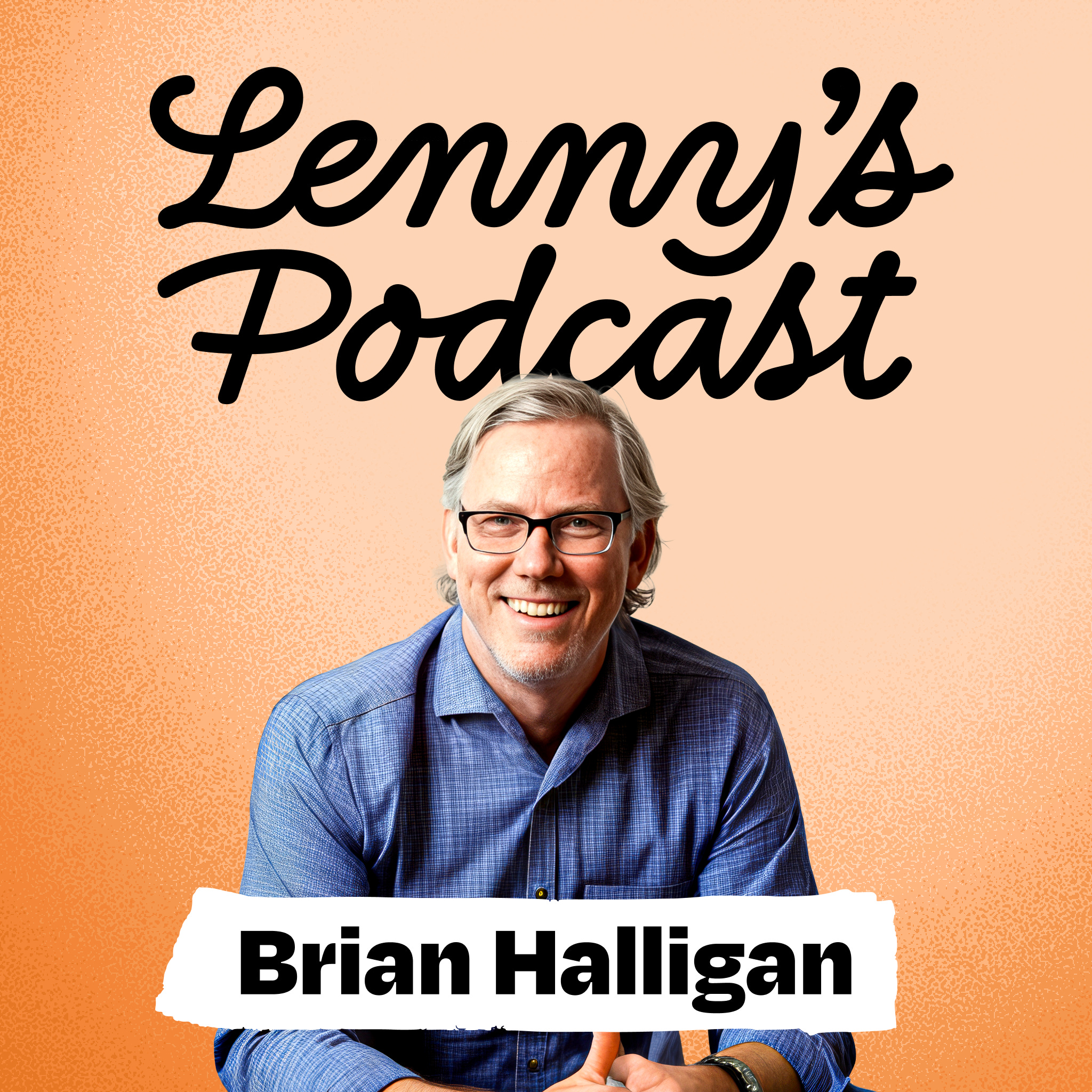
Brian Halligan, Sequoia's in-house CEO coach, uses a five-part framework called 'LOCKS' to assess founders: Lovable (can inspire a team), Obsessed (deep founder-market fit), Chip on the shoulder (driven by something to prove), Knowledgeable (domain expert), and Student (a constant learner).
Beyond vision, the most exceptional founders can convince top talent to take pay cuts, persuade investors to fund them, and sign initial customers against all odds. This ability to conjure key resources is a primary indicator of success for early-stage investors to identify.

While product and market are crucial, the most important factor in an early-stage bet is the founder. This is because most startups pivot significantly. A resilient, adaptable founder who can execute through change is more valuable than a perfect initial idea, leading to the ranking: Founder > Market > Product.

Beyond table stakes like hunger and vision, the most successful founders exhibit deep empathy ("people gene"), curiosity, and high emotional intelligence. They are secure, know their weaknesses, and often have a background in team sports, understanding that company building is a team effort.

Investor Jason Calacanis outlines his key evaluation criteria for founders. The most lethal combination includes the ability to ship product quickly, an eye for elite design, and a deep, personal obsession with their mission. He notes that skills like marketing can be learned, but these core traits are essential.
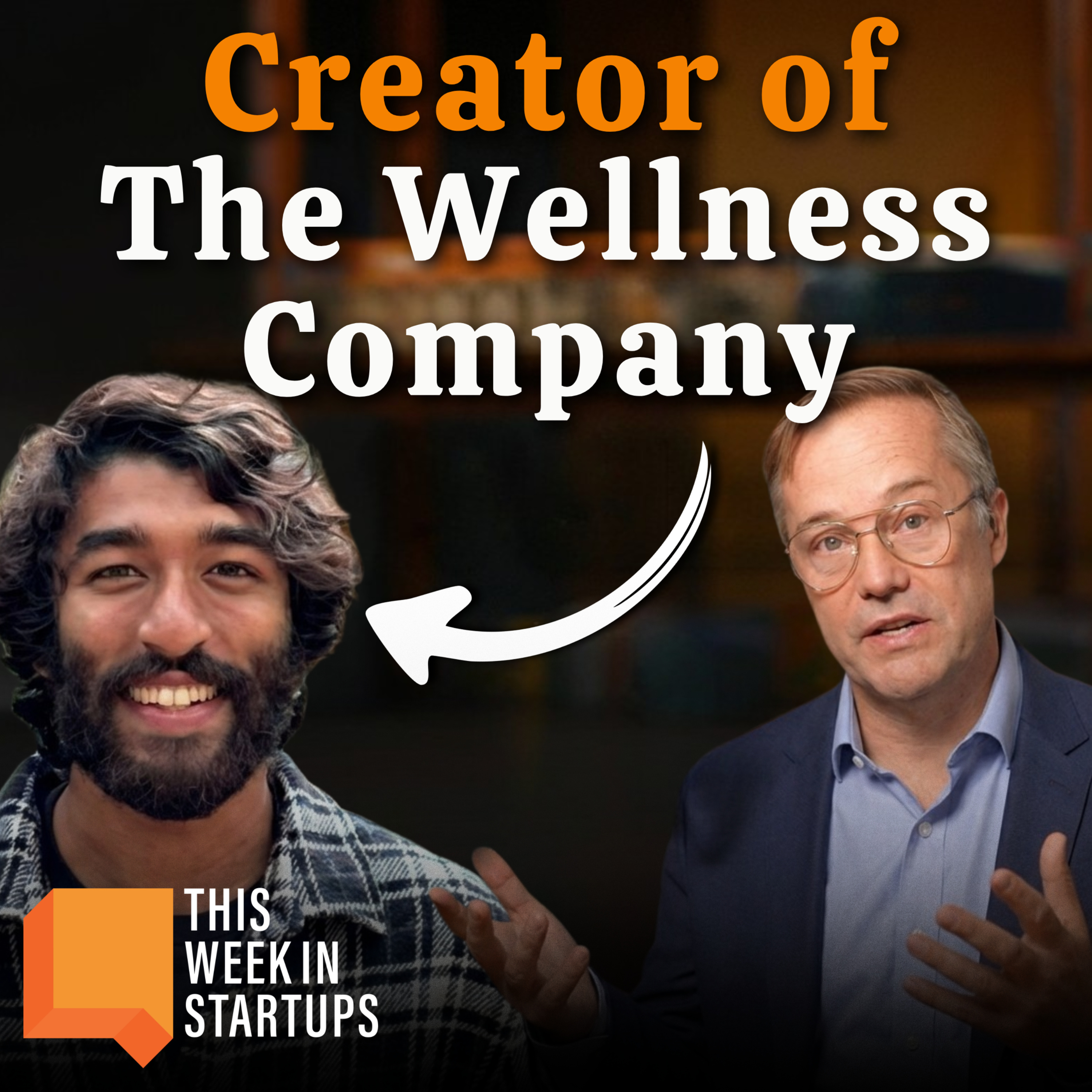
The most investable founders possess a rare, magnetic ability to conjure essential resources. They can convince top talent to take pay cuts, persuade investors to fund an unproven vision, and acquire their first crucial customers against all odds. This trifecta of materializing labor, capital, and customers is a powerful leading indicator of success.

In early-stage investing, the quality of the founder can be more important than the initial business concept. A strong founder is seen as someone who will eventually find success, even if the first idea requires a pivot.
HubSpot founder and Sequoia partner Brian Halligan uses his 'FLOC' framework to assess founders. He looks for First-principled thinking, being Lovable enough to attract A-players, deep Obsession with the problem, and having a Chip on their shoulder, which he finds more compelling than a privileged background.

A common mistake for VCs, especially those with analytical backgrounds, is over-indexing on the "what"—the business model and market. The most critical factor at the seed stage is the "who"—the founder's intrinsic motivation to "walk through walls." This is the hardest element to diligence but the most important.