Get your free personalized podcast brief
We scan new podcasts and send you the top 5 insights daily.
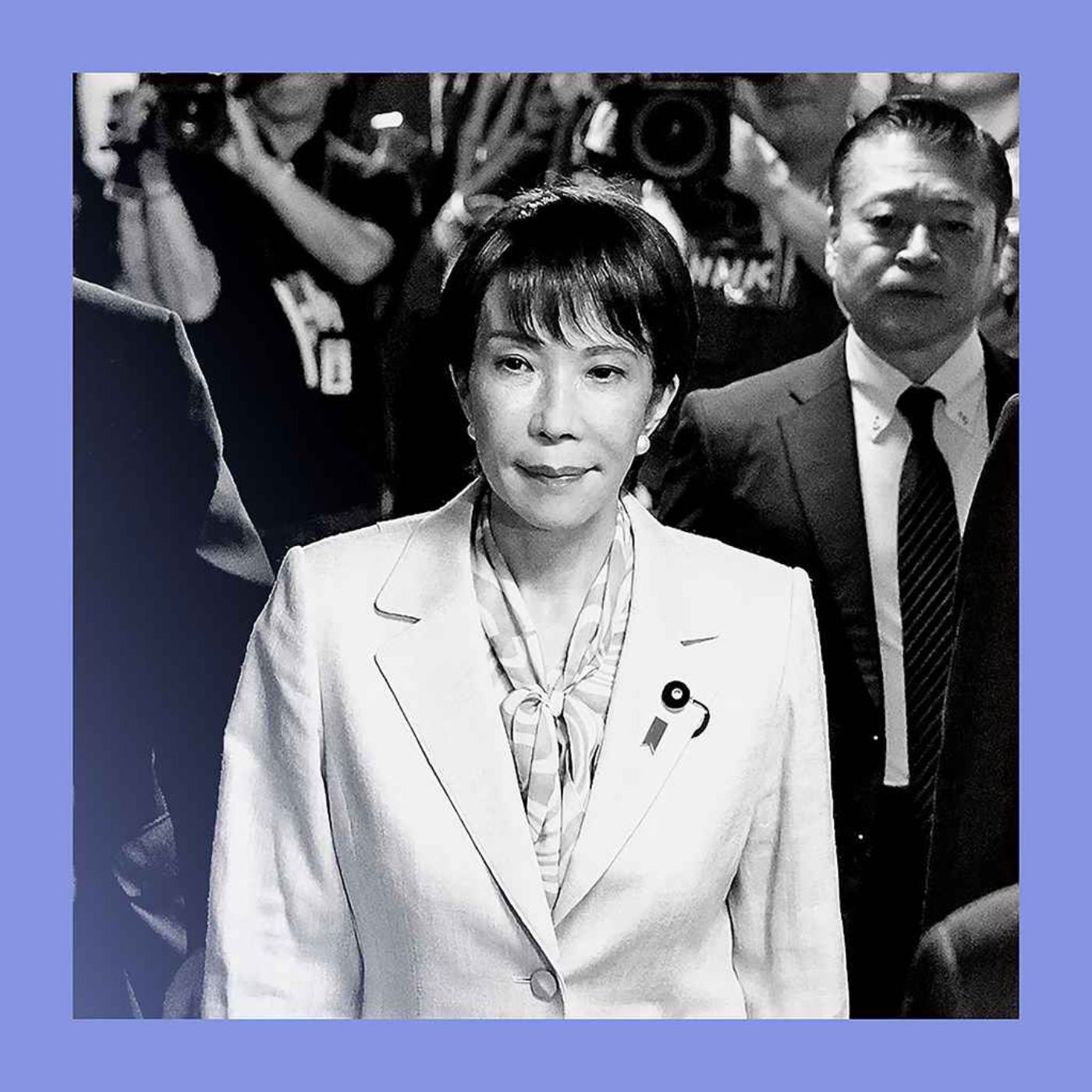
Takaichi Sanae's appointment is a historic milestone for gender representation in Japan. However, her political agenda is deeply conservative. She actively opposes key feminist issues, such as allowing separate surnames for married couples, illustrating the crucial distinction between descriptive representation and substantive policy change.
Related Insights
A central contradiction in modern feminism is its simultaneous critique of exploitative capitalism and its insistence that a woman's highest priority should be career advancement, often at the expense of family formation—a path elites often balance later using their resources.

Contrary to market fears of undisciplined spending akin to 'Abenomics', Prime Minister Takaichi's initial policy platform suggests a focus on targeted income redistribution. Policies like a refundable credit tax system and cutting unnecessary subsidies indicate a fiscally neutral or even tighter stance, rather than net fiscal expansion.

While Sanai Takaichi's past comments raised alarms, her statement that government should be "responsible for both fiscal and monetary policy" is consistent with the BOJ Act's coordination requirement. She has since moderated her tone, suggesting the Bank of Japan's path towards rate hikes will likely continue, driven by inflation data rather than political pressure.
Despite market fears of aggressive "Abenomics 2.0," economist Ayako Fujita argues that Sanai Takaichi's fiscal plans are limited by high inflation. Her proposed policies focus on income redistribution, like tax credits for low-income households, and will take 1-2 years to implement, suggesting a more moderate approach than expected.
The central societal conflict is not between men and women, but between liberal and illiberal ideologies. Progress has historically been supported by coalitions across genders, just as the patriarchy has female supporters. Framing issues as a battle of the sexes is a counterproductive oversimplification of a deeper ideological divide.

Japan's ruling LDP selected Takaichi Sanae, a leader with a brash, populist aesthetic, not to upend the system but to co-opt populist appeal. This strategy aims to fend off genuine anti-establishment challengers and re-establish the party's grip on power, demonstrating a novel approach to maintaining the status quo.
Contrary to expectations, Japan's first female prime minister, a social conservative, upheld the tradition banning women from the sumo ring. By sending a male proxy to a key ceremony, she signaled that her appointment does not guarantee a challenge to entrenched patriarchal norms, showing representation isn't always reform.

The election of leaders like Japan's female prime minister, who enacts hardline policies, shows that voters are primarily driven by shared values, not identity characteristics. When a leader's ideology matches the electorate's, their gender or race becomes secondary.

Counterintuitively, the first female US president is predicted to be a Republican embodying a Margaret Thatcher-like 'Iron Lady' persona. To overcome gender bias, this theory suggests she will need a reputation for being exceptionally tough, possibly even more hawkish than her male counterparts, to be seen as electable.

A significant perception gap exists between investor groups. Foreign investors largely expect aggressive fiscal expansion from PM Takaichi, viewing her policies as a continuation of Abenomics. In contrast, domestic investors, recalling that the Abe administration actually narrowed deficits, are less concerned about fiscal discipline and have a more nuanced view.