Get your free personalized podcast brief
We scan new podcasts and send you the top 5 insights daily.
Instagram has broadened its AI categorization, labeling posts created with basic tools like Canva's background remover as AI-generated. The platform prefers over-labeling non-AI content rather than missing actual AI creations. However, an AI label does not trigger algorithmic suppression, view penalties, or reduced reach. While audiences may be skeptical of labeled content, creators are not penalized by the distribution algorithm itself for using generative AI tools.

Related Insights
Instagram's crackdown on aggregator accounts now specifically targets content with "low effort edits." Simply adding a border, new captions, or a watermark to someone else's video is no longer enough to avoid suppression. The algorithm flags this as unoriginal, penalizing accounts that rely on this tactic.
Social media platforms are de-prioritizing images directly exported from AI tools. However, simple post-processing steps can currently bypass this detection. Importing an AI image into a tool like Canva for minor edits, or even just screenshotting and resizing it, has proven effective at preventing it from being identified as AI-generated.

ChatGPT embeds C2PA metadata and a 'SynthID' into images. While SynthID is more persistent, basic edits like adding text, branding, or cropping in tools like Canva or Photoshop can often remove the initial layer of detectable metadata, helping to avoid immediate platform deprioritization.

CEO Neal Mohan clarifies that YouTube will not penalize content simply for being AI-generated. The platform's policies focus on whether the content is high-quality and connects with viewers. The primary concern is preventing low-effort, mass-produced "AI slop," not discouraging the creative use of AI tools.

The "AI-generated" label carries a negative connotation of being cheap, efficient, and lacking human creativity. This perception devalues the final product in the eyes of consumers and creators, disincentivizing platforms from implementing labels that would anger their user base and advertisers.
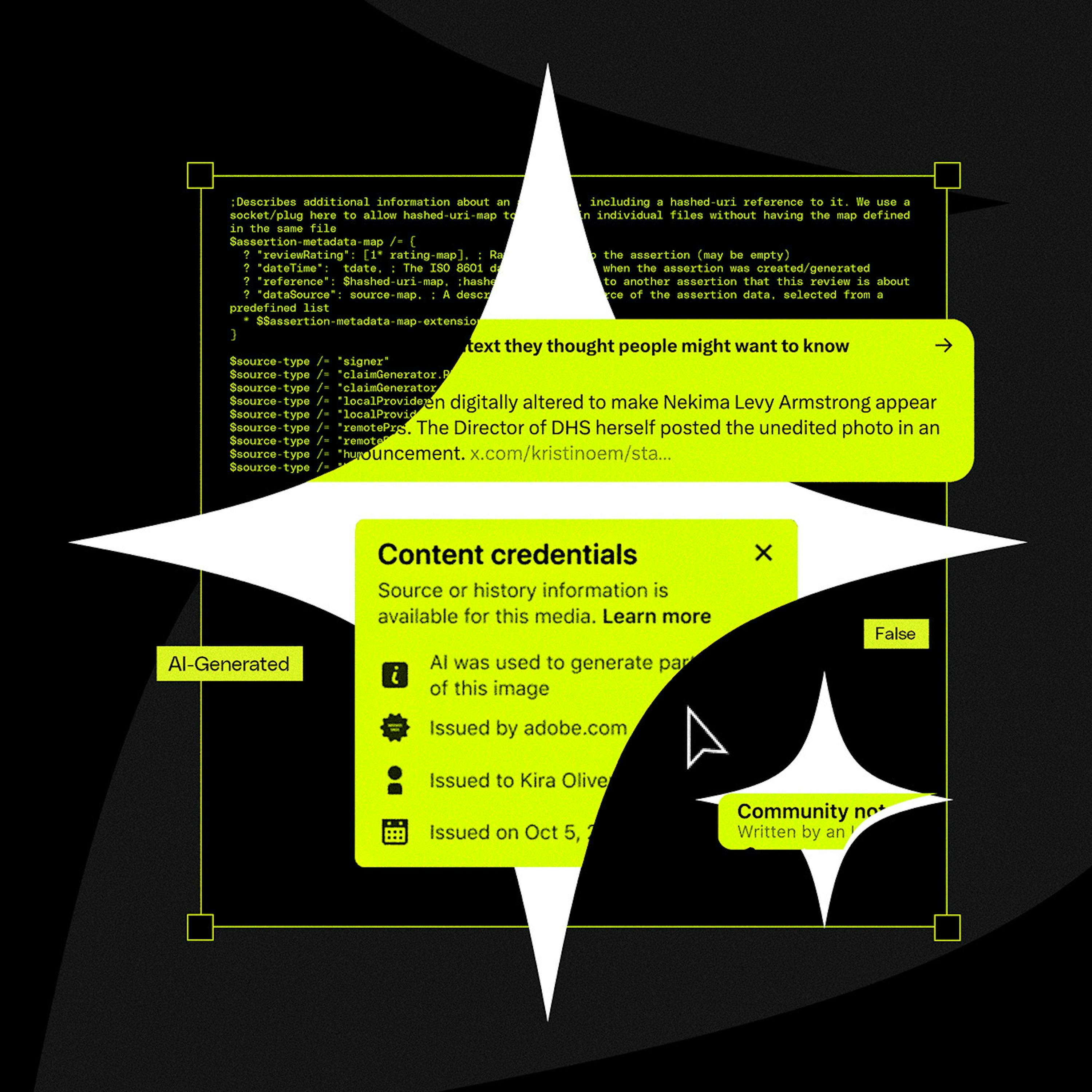
Despite platforms getting better at identifying AI-generated images, simple workarounds are still effective. Taking an AI image, modifying it in a tool like Canva, or even just screenshotting and resizing it can strip the metadata and prevent it from being flagged as AI, a tactic the speaker found works despite online claims to the contrary.
The proliferation of easy-to-use AI content generators has led to a massive increase in post volume. This "AI slop" overwhelms the algorithm and users, resulting in record-low engagement levels for everyone on the platform.

Instagram Head Adam Mosseri publicly states that third-party editing apps are not penalized. However, he also admitted that content made with Instagram's native 'Edits' app gets "slightly more reach," creating a confusing and implicit incentive for creators to adopt their tool.

Major platforms like YouTube, Snapchat, and LinkedIn are actively removing or flagging low-effort AI-generated content. This backlash isn't against AI itself but against the sheer volume of "slop" that degrades user experience. This forces platforms to curate for quality and could steer AI use toward more valuable applications.

Attempts to label "AI content" fail because AI is integrated into countless basic editing tools, not just generative ones. It's impossible to draw a clear line for what constitutes an "AI edit," leading to creator frustration and rendering binary labels meaningless and confusing for users.