Get your free personalized podcast brief
We scan new podcasts and send you the top 5 insights daily.
Autonomous commerce will be a multimodal ecosystem using drones, sidewalk bots, and AVs. This creates a massive integration problem for retailers. The winning strategy is not building one vehicle, but creating the universal orchestration layer that allows retailers to manage all autonomous delivery form factors seamlessly.
Related Insights
Creating the Dot delivery robot wasn't just a hardware challenge. DoorDash had to build the vehicle hardware, a custom L4 autonomy software stack, integrate them, and then plug the entire system into its complex logistics and merchant platform—a multi-year, first-principles effort.

After a fatal accident with its own AV program, Uber pivoted. Instead of building cars, its long-term strategy is to be the essential demand-generation platform for every AV manufacturer, aiming to maximize the utilization and revenue of any "box with wheels" from any company.

The threat to companies like DoorDash isn't a new AI delivery service. It's an AI agent that optimizes consumer choice between DoorDash, Uber Eats, and direct ordering. The brand that "owns the agent" wins by commoditizing the underlying service providers, even if their operations remain superior.

Instead of creating bespoke self-driving kits for every car model, a humanoid robot can physically sit in any driver's seat and operate the controls. This concept, highlighted by George Hotz, bypasses proprietary vehicle systems and hardware lock-in, treating the car as a black box.

The seamless experience of an autonomous vehicle hides a complex backend. A subsidiary company, FlexDrive, manages a fleet for services like cleaning, charging, maintenance, and teleoperation. This "fleet management" layer represents a significant, often overlooked, part of the AV value chain and business model.
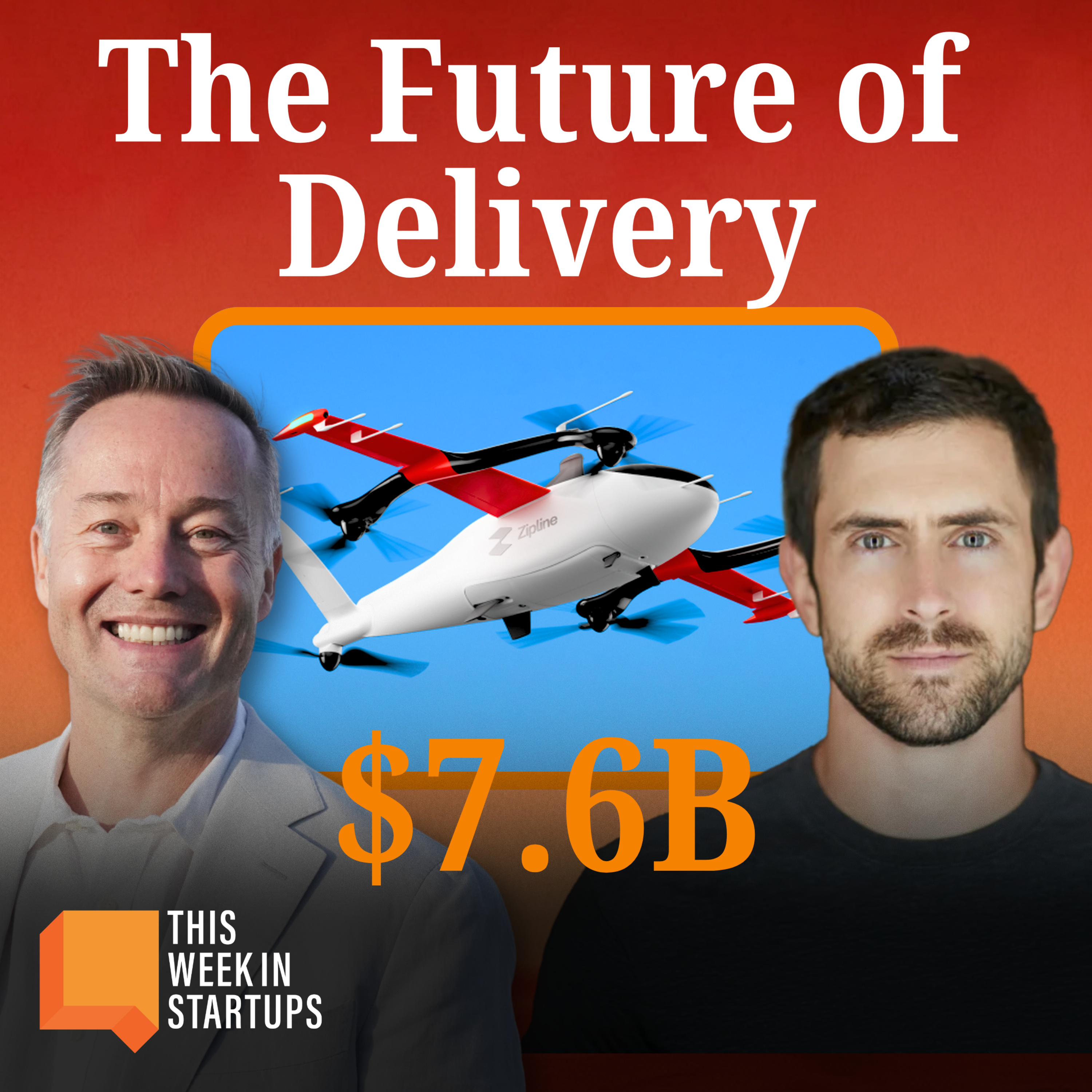
Zipline's CEO reveals the aircraft is a small part of their solution. The real challenge and value lie in the vertically integrated network: ground infrastructure, traffic management, regulatory approval, and customer-facing apps.
The true disruption from AVs isn't cheaper transport, but the transformation of cars into productive spaces—moving offices, hotel rooms, or media centers. This framing shifts the value proposition from cost savings to creating new revenue streams and unlocking vast amounts of consumer time, impacting even real estate.

Zipline's CEO argues from first principles that current delivery logistics are absurdly inefficient. Replacing a human-driven, gas-powered car with a small, autonomous electric drone is not just an incremental improvement but a fundamental paradigm shift dictated by physics.

Instead of competing in the high-risk race to build autonomous vehicles, Uber is creating the ecosystem around them. By offering services like insurance, data, and fleet support to all AV companies, Uber positions itself to profit regardless of which car manufacturer wins.

CEO David Risher describes Lyft's autonomous vehicle strategy as "polyamorous." Instead of betting on one technology partner, they are integrating with multiple AV companies like Waymo, May Mobility, and Baidu. This approach positions Lyft as the essential network for any AV provider to access riders, regardless of who builds the best car.