Get your free personalized podcast brief
We scan new podcasts and send you the top 5 insights daily.
To build great products, one needs more than just "taste." Dylan Field defines taste as navigating possibilities, craft as perfecting details across all levels of abstraction, and point of view as expressing a unique, and often controversial, vision for the future.

Related Insights
Figma CEO Dylan Field argues that while AI can quickly generate "good enough" results, this baseline is no longer sufficient. As AI floods the market with generic software and designs, true differentiation will come from human-led craft, taste, and pushing beyond the initial AI output.
In the dot-com era, design was a superficial afterthought. Today, with increased software competition and user expectations set by companies like Apple, design is a critical factor for a product's success, influencing function and user experience, not just aesthetics.

Product 'taste' is often narrowly defined as aesthetics. A better analogy is a restaurant: great food (visuals) is necessary but not sufficient. Taste encompasses the entire end-to-end user journey, from being greeted at the door to paying the check. Every interaction must feel crafted and delightful.

Dylan Field defines taste not as an innate gift but as a point of view developed through a repeatable process. It involves experiencing something, asking "why do I like or dislike this?", and understanding the canon that led to its creation. This allows you to build a framework for judgment.

Technical talent is not the primary driver of resonant creative work. The key ingredient is 'taste'—an unteachable ability to discern what will be emotionally pleasing and impactful to an audience. This intuitive sense separates good creators from great ones.

As AI accelerates software development, basic functionality becomes table stakes. Figma's CEO contends that differentiation and winning now depend entirely on design, craft, and a strong point of view, as 'good enough' products will no longer succeed.
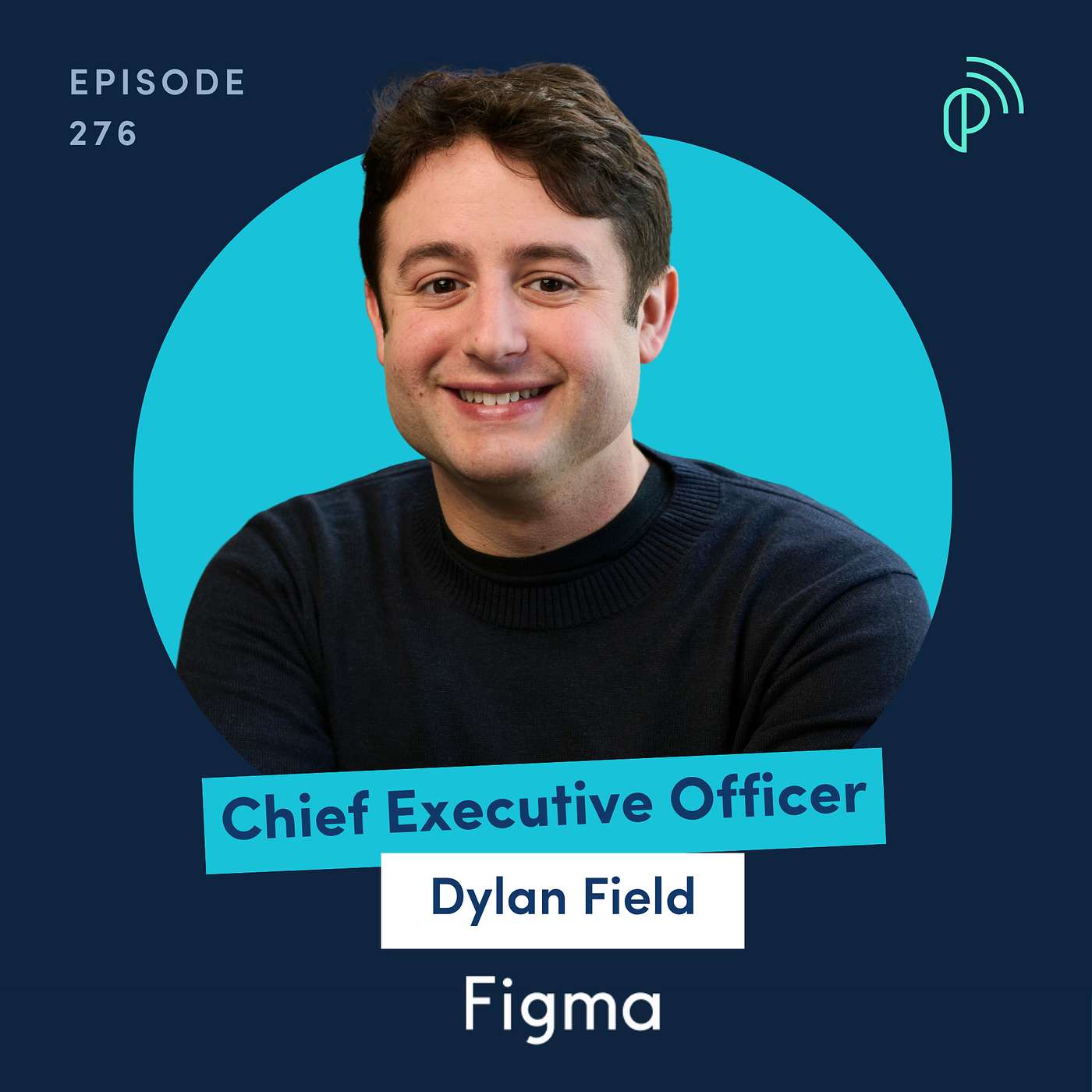
Product managers and leaders shouldn't just create documents for alignment. Dylan Field argues that when leaders are seen actively building and creating—not just managing—it inspires the entire organization and creates significant cultural shifts toward a bias for action.
Many aspiring creators quit because their creative taste exceeds their technical skill, causing frustration. Figma's CEO suggests AI's most exciting potential is bridging this gap. It allows creators to rapidly generate and sample the possibility space, helping them achieve their vision almost instantly and overcome the initial skill barrier that stifles creativity.

Figma's CEO believes AI will create the "10X designer." As AI automates basic design tasks, making "good enough" the new baseline, the premium on true craft and system-level thinking will skyrocket. Designers who can leverage AI to execute a holistic product vision will become indispensable leaders and key drivers of a company's success.

In a world where AI agents can execute tasks and workflows for anyone, the process itself is no longer a differentiator. According to Figma's CEO, the only way to create something truly unique and valuable is by applying your personal taste and sophisticated prompting. Standard inputs will only yield standard, commoditized outputs.