Get your free personalized podcast brief
We scan new podcasts and send you the top 5 insights daily.
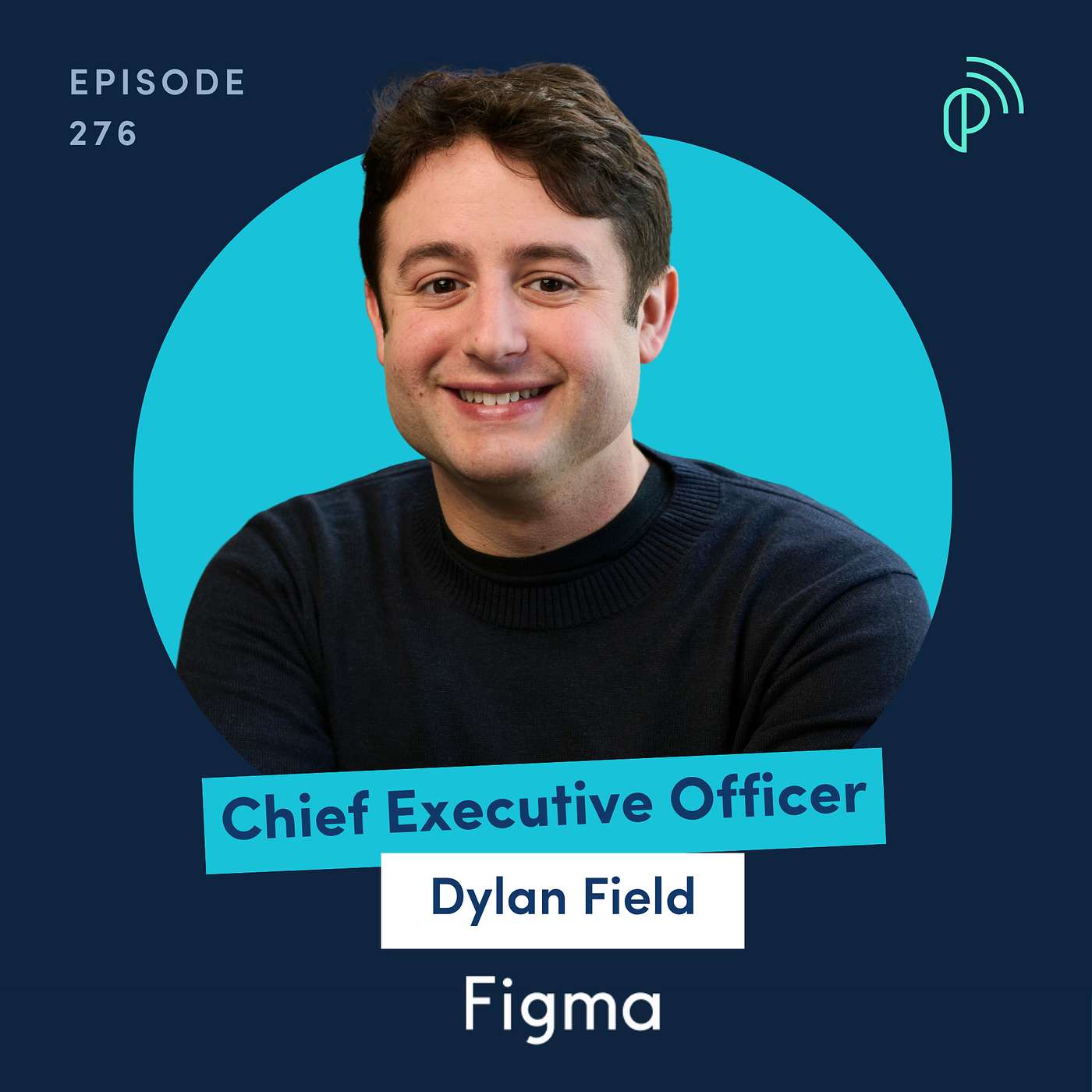
As AI accelerates software development, basic functionality becomes table stakes. Figma's CEO contends that differentiation and winning now depend entirely on design, craft, and a strong point of view, as 'good enough' products will no longer succeed.
Related Insights
As AI makes it easy to generate 'good enough' software, a functional product is no longer a moat. The new advantage is creating an experience so delightful that users prefer it over a custom-built alternative. This makes design the primary driver of value, setting premium software apart from the infinitely generated.

Atlassian's CEO argues that as AI makes software creation cheaper, the key differentiator becomes design—how a product feels and works. This is a scarce resource that is much harder to copy than features, making it the new source of competitive advantage.

Figma CEO Dylan Field argues that while AI can quickly generate "good enough" results, this baseline is no longer sufficient. As AI floods the market with generic software and designs, true differentiation will come from human-led craft, taste, and pushing beyond the initial AI output.
As AI makes software creation faster and cheaper, the market will flood with products. In this environment of abundance, a strong brand, point of view, taste, and high-quality design become the most critical factors for a product to stand out and win customers.

Figma's CEO believes AI will create the "10X designer." As AI automates basic design tasks, making "good enough" the new baseline, the premium on true craft and system-level thinking will skyrocket. Designers who can leverage AI to execute a holistic product vision will become indispensable leaders and key drivers of a company's success.

As foundational AI models become commoditized, the key differentiator is shifting from marginal improvements in model capability to superior user experience and productization. Companies that focus on polish, ease of use, and thoughtful integration will win, making product managers the new heroes of the AI race.

As AI commoditizes basic functionality, 'good enough' is no longer sufficient and will be considered mediocre. Sustainable advantage will come from the top of the stack: superior design, craft, brand, point of view, and storytelling.

With AI tools like Gemini 3.0 democratizing execution, the ability to generate unique, scroll-stopping ideas and provide strong design references becomes the key differentiator. Good taste and a clear vision now matter more than the technical ability to implement a design from scratch.

As AI makes it incredibly easy to build products, the market will be flooded with options. The critical, differentiating skill will no longer be technical execution but human judgment: deciding *what* should exist, which features matter, and the right distribution strategy. Synthesizing these elements is where future value lies.

The era of winning with merely functional software is over. As technology, especially AI, makes baseline functionality easier to build, the key differentiator becomes design excellence and superior craft. Mediocre, 'good enough' products will lose to those that are exceptionally well-designed.