Get your free personalized podcast brief
We scan new podcasts and send you the top 5 insights daily.
In the dot-com era, design was a superficial afterthought. Today, with increased software competition and user expectations set by companies like Apple, design is a critical factor for a product's success, influencing function and user experience, not just aesthetics.

Related Insights
As AI makes it easy to generate 'good enough' software, a functional product is no longer a moat. The new advantage is creating an experience so delightful that users prefer it over a custom-built alternative. This makes design the primary driver of value, setting premium software apart from the infinitely generated.

Atlassian's CEO argues that as AI makes software creation cheaper, the key differentiator becomes design—how a product feels and works. This is a scarce resource that is much harder to copy than features, making it the new source of competitive advantage.

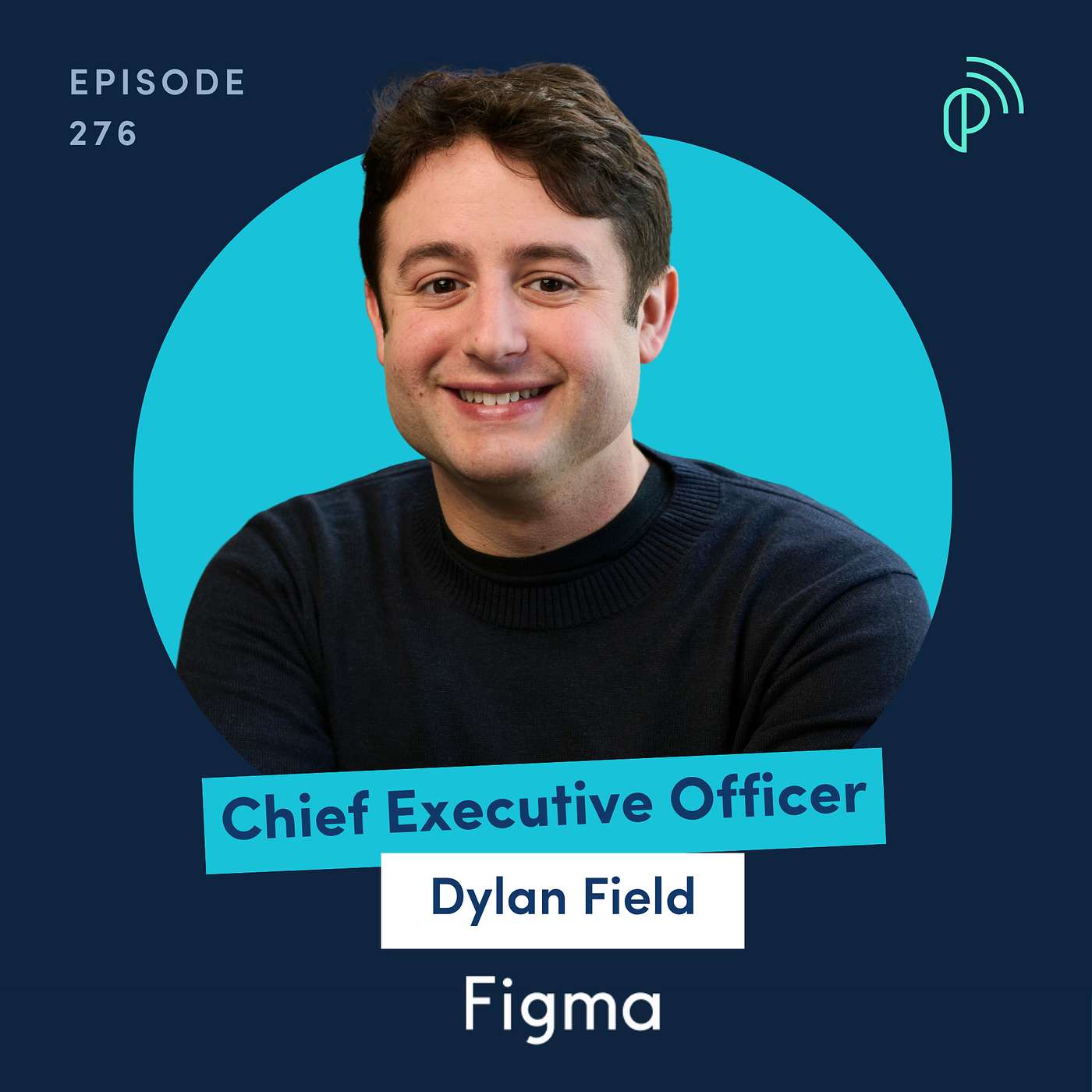
Figma CEO Dylan Field argues that while AI can quickly generate "good enough" results, this baseline is no longer sufficient. As AI floods the market with generic software and designs, true differentiation will come from human-led craft, taste, and pushing beyond the initial AI output.

Designers once felt like imposters, but the profession grew rapidly, championed by figures like Steve Jobs. Now, design has a "seat at the table" and is recognized as a critical differentiator and a core business process for problem-solving, not just aesthetics.
As AI accelerates software development, basic functionality becomes table stakes. Figma's CEO contends that differentiation and winning now depend entirely on design, craft, and a strong point of view, as 'good enough' products will no longer succeed.
As AI makes software creation faster and cheaper, the market will flood with products. In this environment of abundance, a strong brand, point of view, taste, and high-quality design become the most critical factors for a product to stand out and win customers.

Thanks to companies like Apple, consumers now expect high-quality design as a default. For startups, this means a fantastic product can be ignored if the UX feels slightly off. Good design is no longer a differentiator but a fundamental prerequisite for earning a user's initial trust.
Figma's CEO believes AI will create the "10X designer." As AI automates basic design tasks, making "good enough" the new baseline, the premium on true craft and system-level thinking will skyrocket. Designers who can leverage AI to execute a holistic product vision will become indispensable leaders and key drivers of a company's success.

As AI lowers the barrier to creating functional software, "good enough" products become mediocre. To stand out, companies must differentiate through superior design, craft, brand, and storytelling, moving the competitive battleground "up the stack" to more subjective, human-centric values.

The era of winning with merely functional software is over. As technology, especially AI, makes baseline functionality easier to build, the key differentiator becomes design excellence and superior craft. Mediocre, 'good enough' products will lose to those that are exceptionally well-designed.