Get your free personalized podcast brief
We scan new podcasts and send you the top 5 insights daily.
A Workday study reveals a critical blind spot in AI productivity metrics. While tools save time, roughly 37% of that saved time is offset by the need for rework—verifying information, correcting errors, and rewriting content. This dramatically reduces the net value and ROI of the technology.

Related Insights
The problem with bad AI-generated work ('slop') isn't just poor writing. It's that subtle inaccuracies or context loss can derail meetings and create long, energy-wasting debates. This cognitive overload makes it difficult for teams to sense-make and ultimately costs more in human time than it saves.

Using AI to generate content without adding human context simply transfers the intellectual effort to the recipient. This creates rework, confusion, and can damage professional relationships, explaining the low ROI seen in many AI initiatives.

Over 60% of product teams regain 2+ hours daily using AI, but this time is often absorbed by more execution tasks—the "hamster wheel"—rather than being allocated to crucial strategic planning. This is due to organizational demand and the cognitive load of context-switching.

Despite hype about full automation, AI's real-world application still has an approximate 80% success rate. The remaining 20% requires human intervention, positioning AI as a tool for human augmentation rather than complete job replacement for most business workflows today.

AI's true productivity leverage is not just speed but enabling more attempts. A human might get one shot at a complex task, whereas an AI-assisted workflow allows for three or more "turns at the wheel." The critical human skill shifts from initial creation to rapid review and refinement of these iterations.

When AI empowers non-specialists to perform complex tasks (e.g., marketers writing code), it creates a new, hidden workload for experts. These specialists must then spend significant time reviewing, correcting, and guiding the AI-assisted work from their colleagues, creating a new form of operational drag.

Research highlights "work slop": AI output that appears polished but lacks human context. This forces coworkers to spend significant time fixing it, effectively offloading cognitive labor and damaging perceptions of the sender's capability and trustworthiness.
While AI coding assistants appear to boost output, they introduce a "rework tax." A Stanford study found AI-generated code leads to significant downstream refactoring. A team might ship 40% more code, but if half of that increase is just fixing last week's AI-generated "slop," the real productivity gain is much lower than headlines suggest.

The perceived time-saving benefits of using AI for lesson planning may be misleading. Similar to coders who must fix AI-generated mistakes, educators may spend so much time correcting flawed outputs that the net efficiency gain is zero or even negative, a factor often overlooked in a rush to adopt new tools.
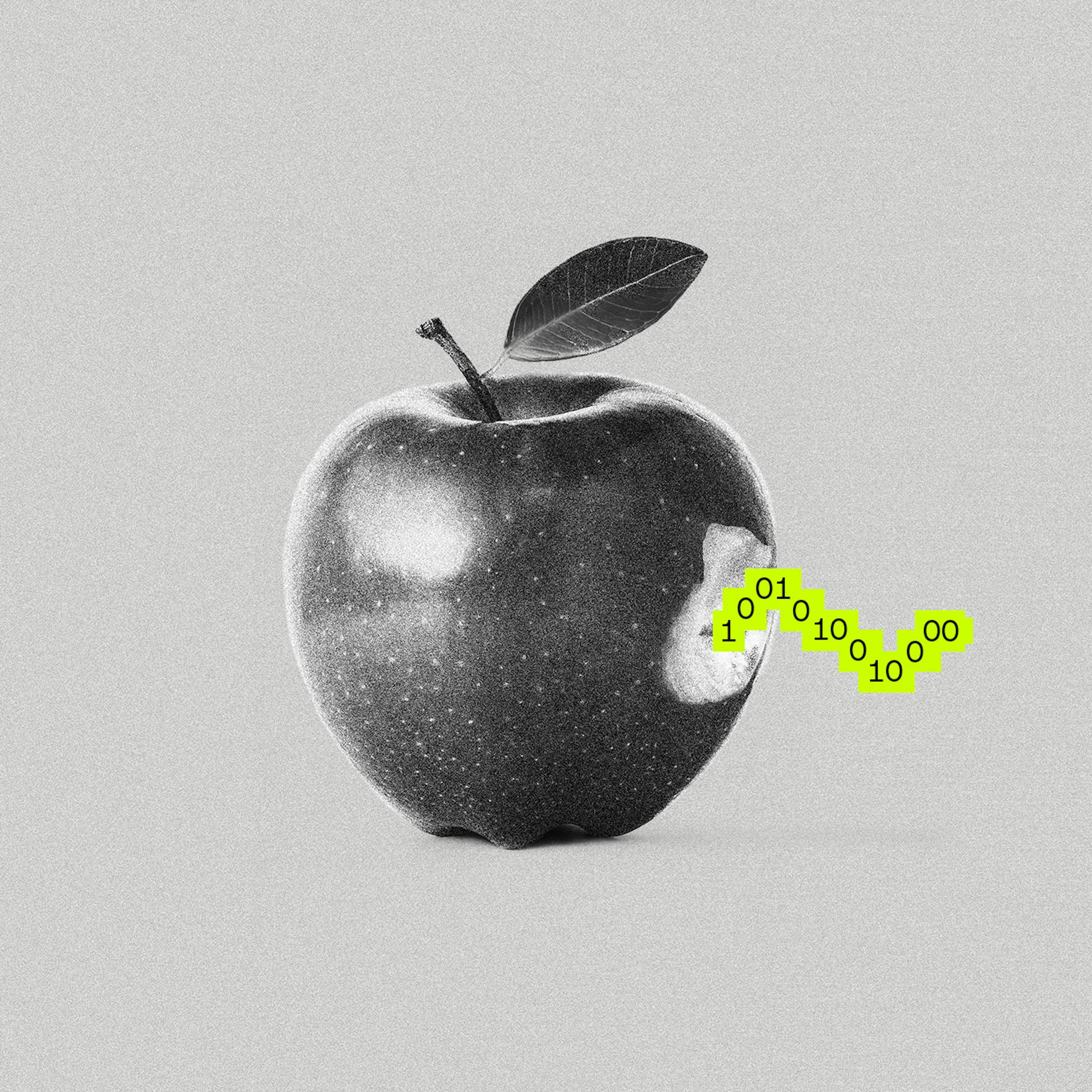
The ease of generating AI summaries is creating low-quality 'slop.' This imposes a hidden productivity cost, as collaborators must waste time clarifying ambiguous or incorrect AI-generated points, derailing work and leading to lengthy, unnecessary corrections.