Get your free personalized podcast brief
We scan new podcasts and send you the top 5 insights daily.
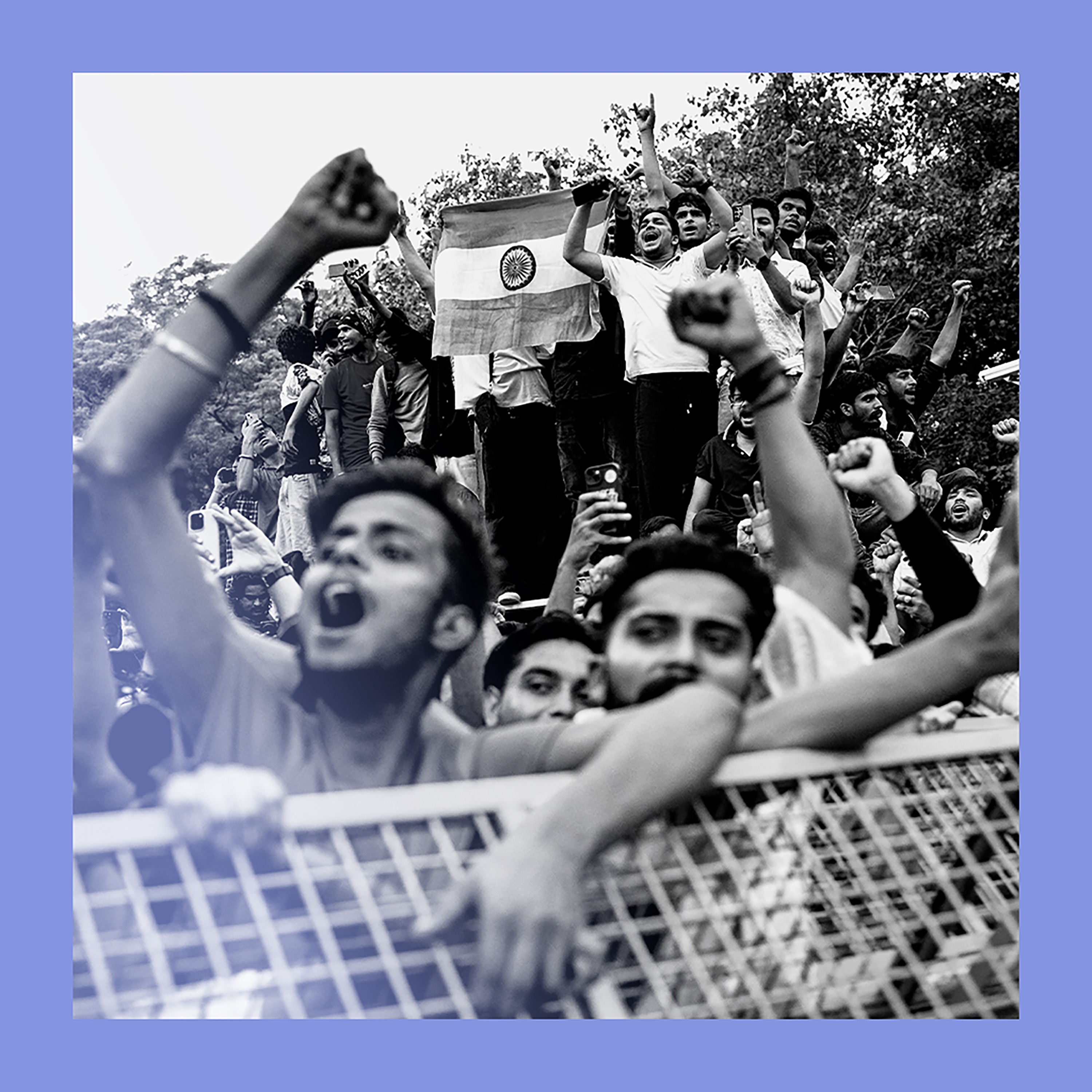
Pratap Bhanu Mehta observed that student demonstrators in Delhi broke the government's standard playbook by mocking power rather than debating policy. Previous movements against Modi tackled specific laws, but playful contempt left officials without an obvious script to counter fearless youth who converted diffuse city locations into protest sites.

Related Insights
Mehta argues Modi avoids firing his Chief Election Commissioner because granting public accountability breaks internal government discipline. Autocrats maintain loyal civil services by assuring officials they answer only upward to the regime, whereas succumbing to civic protest signals subordinates that following harsh executive directives carries personal career risk.
Historically, Indian political change was driven by powerful street movements led by towering figures like Gandhi or Modi. The new 'Cockroach Party' protest, however, is helmed by a communications consultant who accidentally started it with internet memes. This signals a shift from charismatic, top-down leadership to more decentralized, digitally-born activism.
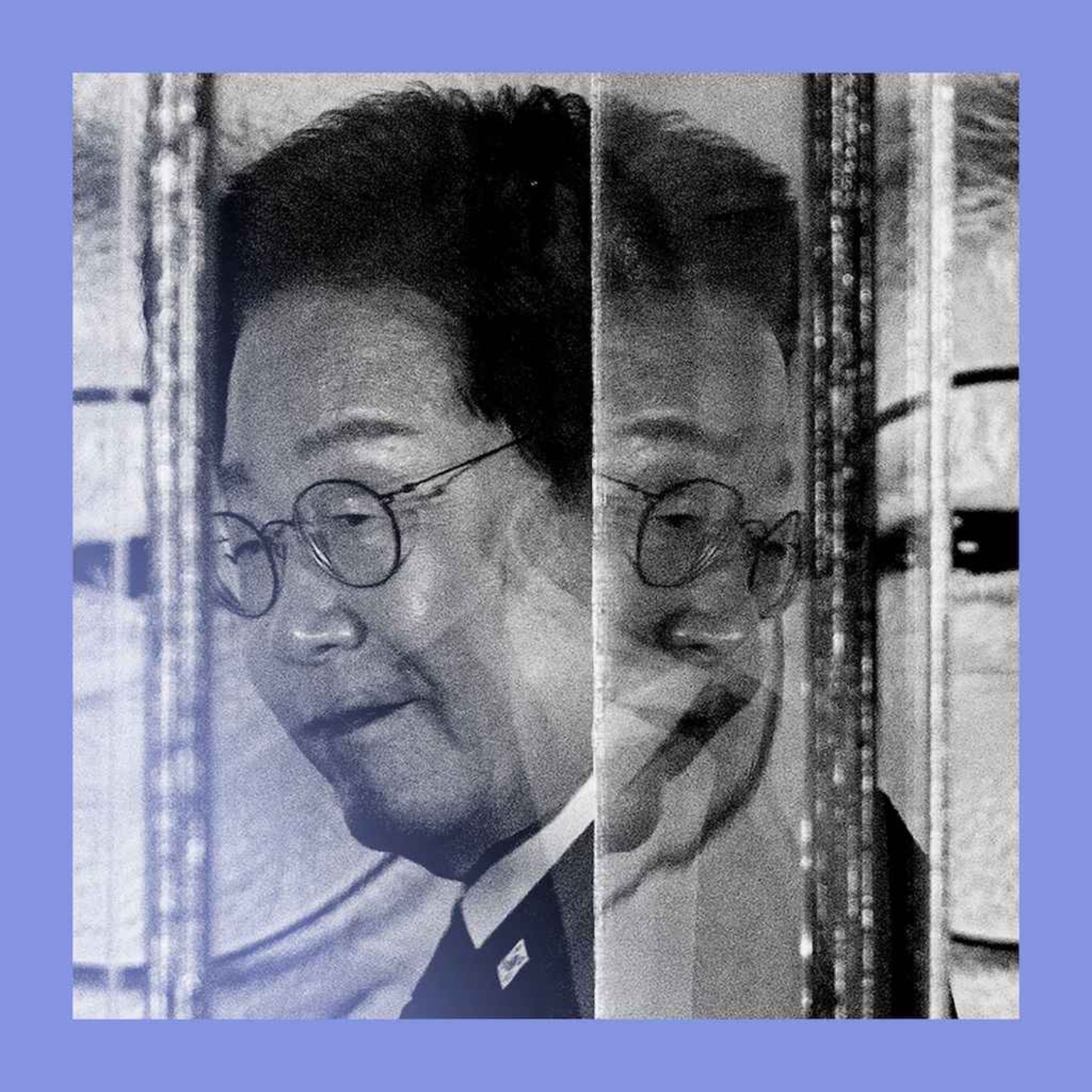
Contrary to their image of strength, authoritarian figures often rely on bluff and "anticipatory obedience." When confronted with direct, organized resistance, they frequently lack a follow-up plan and retreat, revealing their inherent fragility and dependence on their opposition's inaction.

According to Jane Fonda, authoritarian leaders thrive on an image of being impermeable and inevitable. Humor and ridicule are powerful weapons against this because they expose weakness and humanity, which authoritarians cannot tolerate. A comic making fun of a dictator shatters the carefully constructed facade of invincibility.

In polarized environments, expressing constant rage only provokes reciprocal anger. Satire, however, can be a more effective persuasion tool. It encourages opponents to see the absurdity in their own positions, leading to self-awareness and potentially changing their minds, something direct confrontation rarely achieves.

What began as a single satirical tweet comparing India's jobless youth to cockroaches morphed into a massive protest movement with millions of followers. This trajectory shows that seemingly frivolous online content can serve as a potent rallying point for deep-seated public grievances, ultimately leading to significant political consequences like a cabinet minister's resignation.
Salman Rushdie posits that humor is more than just entertainment; it is a potent tool against oppression. He observes that dictators and narrow-minded individuals are characteristically humorless and that satire can provoke them more effectively than direct criticism, making it a crucial element in the struggle for free expression.

Engaging controversial figures through a comedic lens serves as a powerful humanizing agent. It punctures their self-serious persona and tests their ability to laugh at the absurdity of their own position. This can disarm audiences who expect confrontation and instead reveal a more relatable, self-aware individual.

Movements like Serbia's Otpor perfected "dilemma actions," which use humor and theatrics to force authorities into a lose-lose situation. Any response—ignoring the act, making arrests, or even seizing an inanimate object—makes the regime appear absurd, illegitimate, and weak, thereby eroding its power.

An Indian youth movement responded to Prime Minister Narendra Modi's attempts to placate them not with anger, but with mocking online tutorials on how to create better viral videos. This use of humor and digital savvy bypasses state-controlled media and effectively dismantles a leader's carefully managed, authoritarian image, proving ridicule can be a powerful form of dissent.