Get your free personalized podcast brief
We scan new podcasts and send you the top 5 insights daily.
The adage 'curiosity killed the cat' is obsolete in today's tech environment. TikTok's Sofia Hernandez argues constant curiosity is a survival mechanism that transforms individuals from cautious followers into dominant, proactive leaders who thrive amidst constant change.

Related Insights
When spotting latent talent, look beyond existing skills. The most promising individuals are those who act like 'sponges,' demonstrating an insatiable openness to absorb new perspectives and challenge their own methods. This attitude is a stronger indicator of future growth.

To effectively lead through the AI transition, executives should embrace a growth mindset of extreme curiosity and be comfortable admitting they don't have all the answers. This models the desired behavior for their teams and positions AI as a "co-pilot" for collective learning.

While grit is important, being pulled along by genuine curiosity is a more sustainable motivator than relying on willpower to push through rough patches. This innate drive to explore and learn prevents burnout and leads to discovering novel business opportunities without feeling like a constant struggle.

Olipop's founder argues that during hypergrowth, leaders face an "inhuman" demand to grow personally and professionally at the same pace as the company. He frames his own role starkly: he will either be the company's biggest unlock or its biggest bottleneck, depending on his capacity for personal evolution.
With AI models and workflows becoming obsolete in as little as a year, mastering a single tool is a failing strategy. The most valuable skill is becoming comfortable with constant change and the process of repeatedly being a beginner, as this adaptability is the only sustainable advantage.

Adaptable organizations are built on curiosity. This is nurtured not by formal courses, but by leaders encouraging small, daily acts of connecting disparate ideas (e.g., "What did you see this weekend and how can we apply it?"). This builds the collective "mental muscle" for navigating disruption.

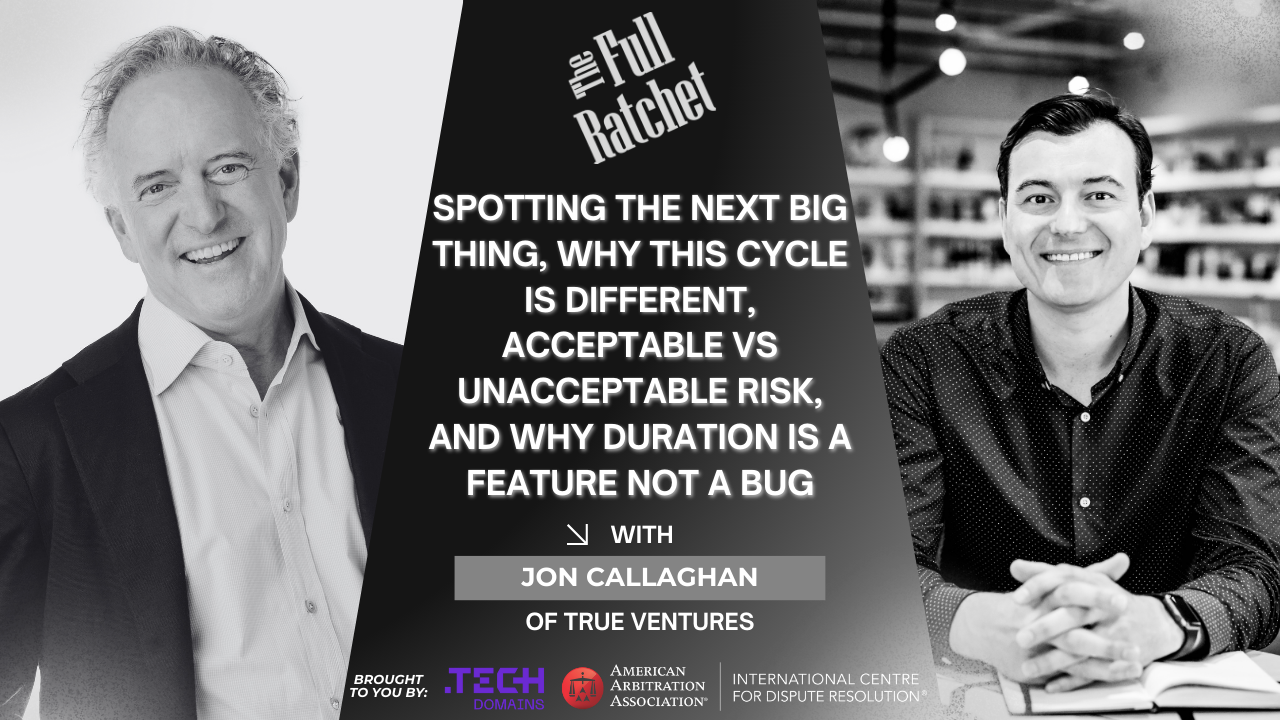
In VC, where being wrong is the norm (80%+ of the time), the most critical trait is not righteousness but deep curiosity. This learning-first mindset is what uncovers non-obvious opportunities and allows investors to see future market shifts before they become mainstream, according to True Ventures' Jon Callaghan.
It's often assumed adults become less curious to be more efficient, but the real cause is social risk. We stop asking basic questions because we fear looking silly or ignorant. Overcoming this embarrassment is key to unlocking the childlike curiosity needed for innovation in a fast-changing world.

The pace of AI development is so rapid that technologists, even senior leaders, face a constant struggle to maintain their expertise. Falling behind for even a few months can create a significant knowledge gap, making continuous learning a terrifying necessity for survival.
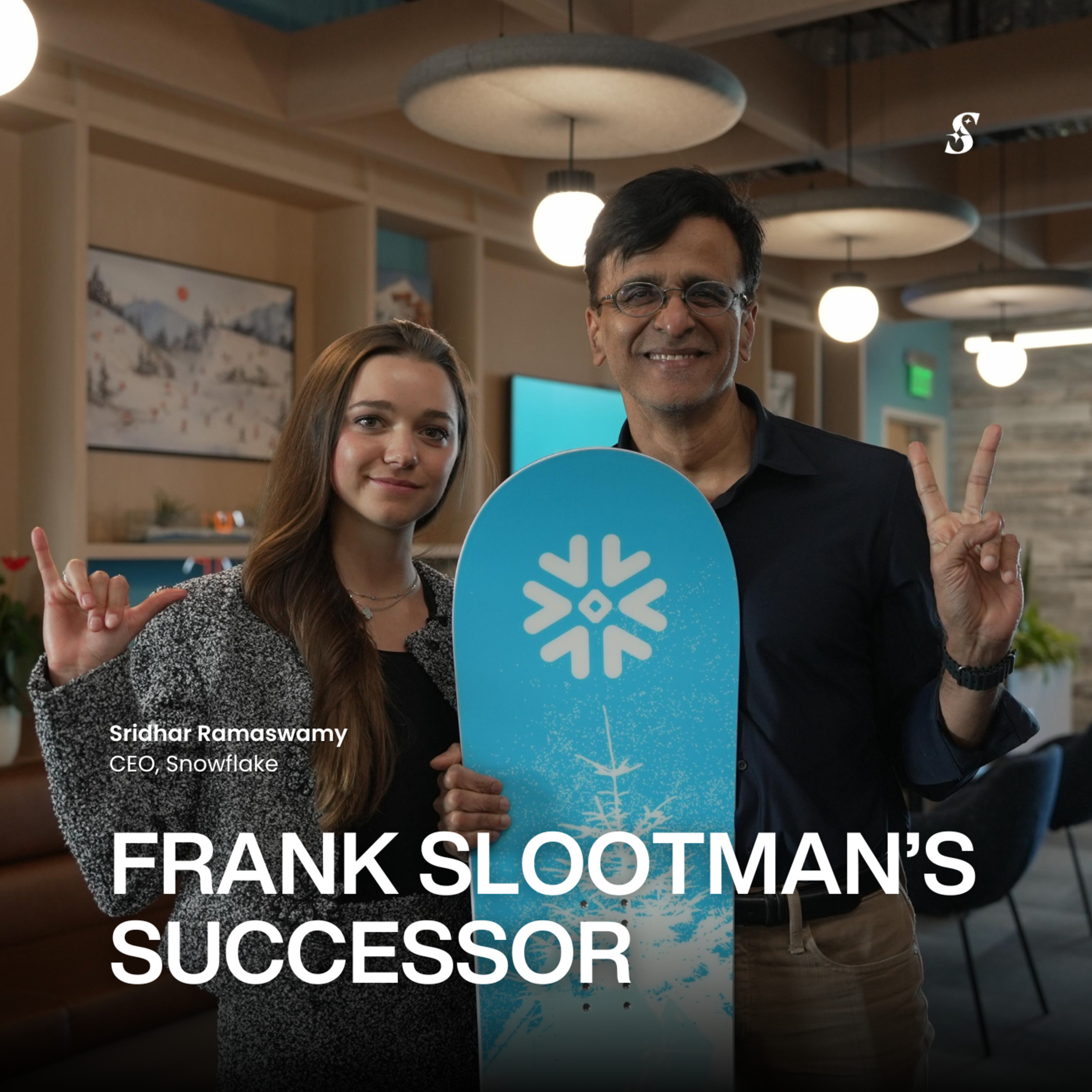
Curiosity is an action, not just a mindset. Citing designer Issey Miyake, the speaker advises deliberately spending time with foreign concepts, people, and environments. True innovation comes from expanding your horizons beyond familiar patterns, not just passively claiming to be curious.
![What is Marketing? Part 2: Marketing is Poetry with Kory Marchisotto [Uncensored Renegades] thumbnail](https://img.transistorcdn.com/VIH3Rn5ET8-eHQxgBGNydnhXL95pc10_Kq7qTpjezuc/rs:fill:0:0:1/w:1400/h:1400/q:60/mb:500000/aHR0cHM6Ly9pbWct/dXBsb2FkLXByb2R1/Y3Rpb24udHJhbnNp/c3Rvci5mbS9zaG93/LzQ3MzEvMTU3MDAz/MjQ3NC1hcnR3b3Jr/LmpwZw.jpg)