Get your free personalized podcast brief
We scan new podcasts and send you the top 5 insights daily.
With AI models and workflows becoming obsolete in as little as a year, mastering a single tool is a failing strategy. The most valuable skill is becoming comfortable with constant change and the process of repeatedly being a beginner, as this adaptability is the only sustainable advantage.

Related Insights
As AI models democratize access to information and analysis, traditional data advantages will disappear. The only durable competitive advantage will be an organization's ability to learn and adapt. The speed of the "breakthrough -> implementation -> behavior change" loop will separate winners from losers.

CMO Laura Kneebush argues that trying to "get good at AI" is futile because it evolves too quickly. Instead, leaders should focus on building organizations that are "good in a world that's going to constantly change," treating AI as one part of a continuous learning culture.

AI tools are so novel they neutralize the advantage of long-term experience. A junior designer who is curious and quick to adopt AI workflows can outperform a veteran who is slower to adapt, creating a major career reset based on agency, not tenure.

Vinod Khosla advises that as AI is poised to automate 80% of jobs, the most critical career skill is not expertise in one domain but the meta-skill of learning new fields quickly and thinking from first principles.

In the current AI landscape, knowledge and assumptions become obsolete within months, not years. This rapid pace of evolution creates significant stress, as investors and founders must constantly re-educate themselves to make informed decisions. Relying on past knowledge is a quick path to failure.

The pace of change in AI means even senior leaders must adopt a learner's mindset. Humility is teachability, and teachability is survivability. Successful leaders are willing to learn from junior colleagues, take basic courses, and admit they don't know everything, which is crucial when there is no established blueprint.

The pace of AI development is so rapid that technologists, even senior leaders, face a constant struggle to maintain their expertise. Falling behind for even a few months can create a significant knowledge gap, making continuous learning a terrifying necessity for survival.
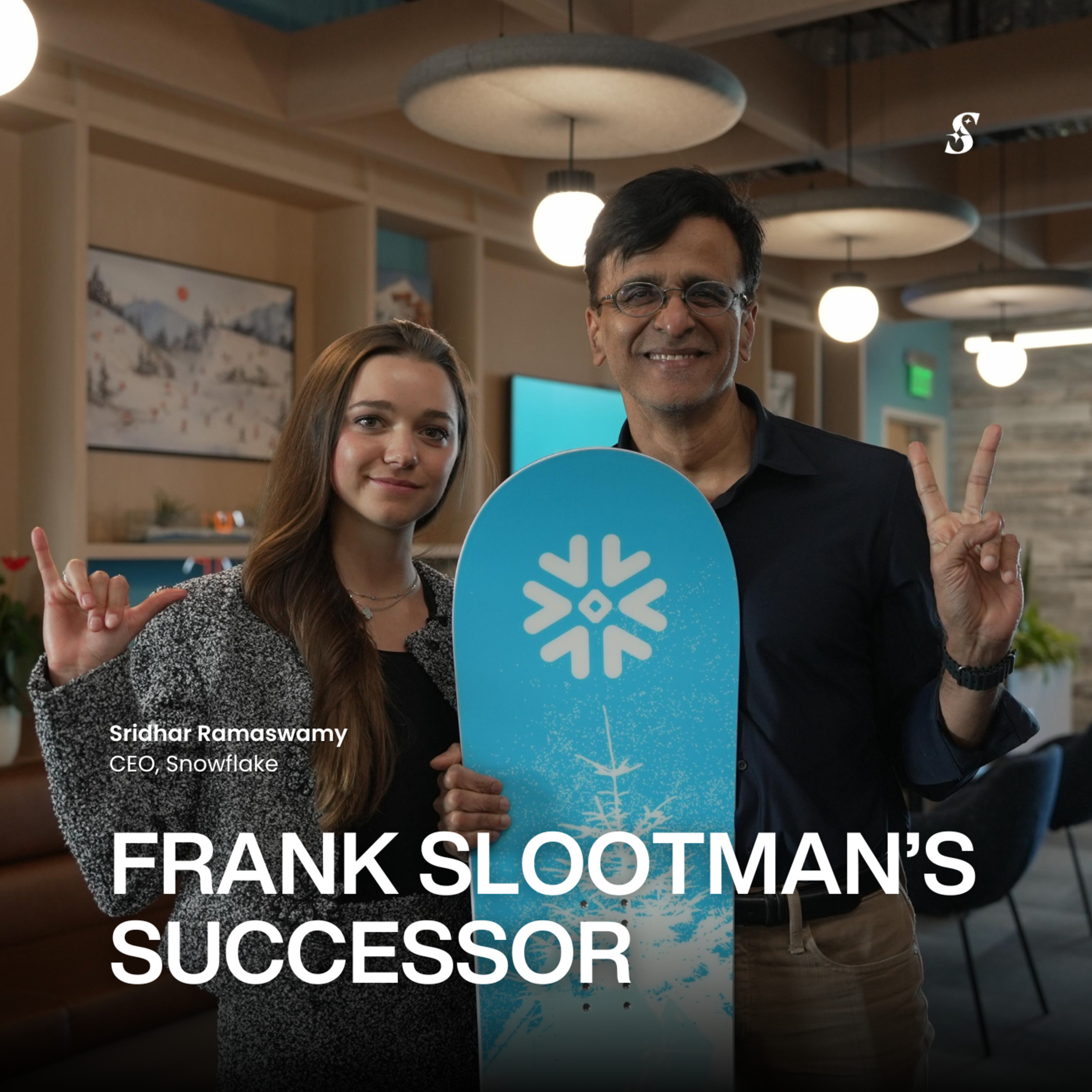
Forcing an 'AI culture' is short-sighted. The real goal is to foster a culture that prioritizes continuous growth and learning. This creates an organization that can adapt to any major technological shift, whether the internet, mobile, cloud, or AI. The specific technology is temporary; the capacity to learn is permanent.

To lead in the age of AI, it's not enough to use new tools; you must intentionally disrupt your own effective habits. Force yourself to build, write, and communicate in new ways to truly understand the paradigm shift, even when your old methods still work well.
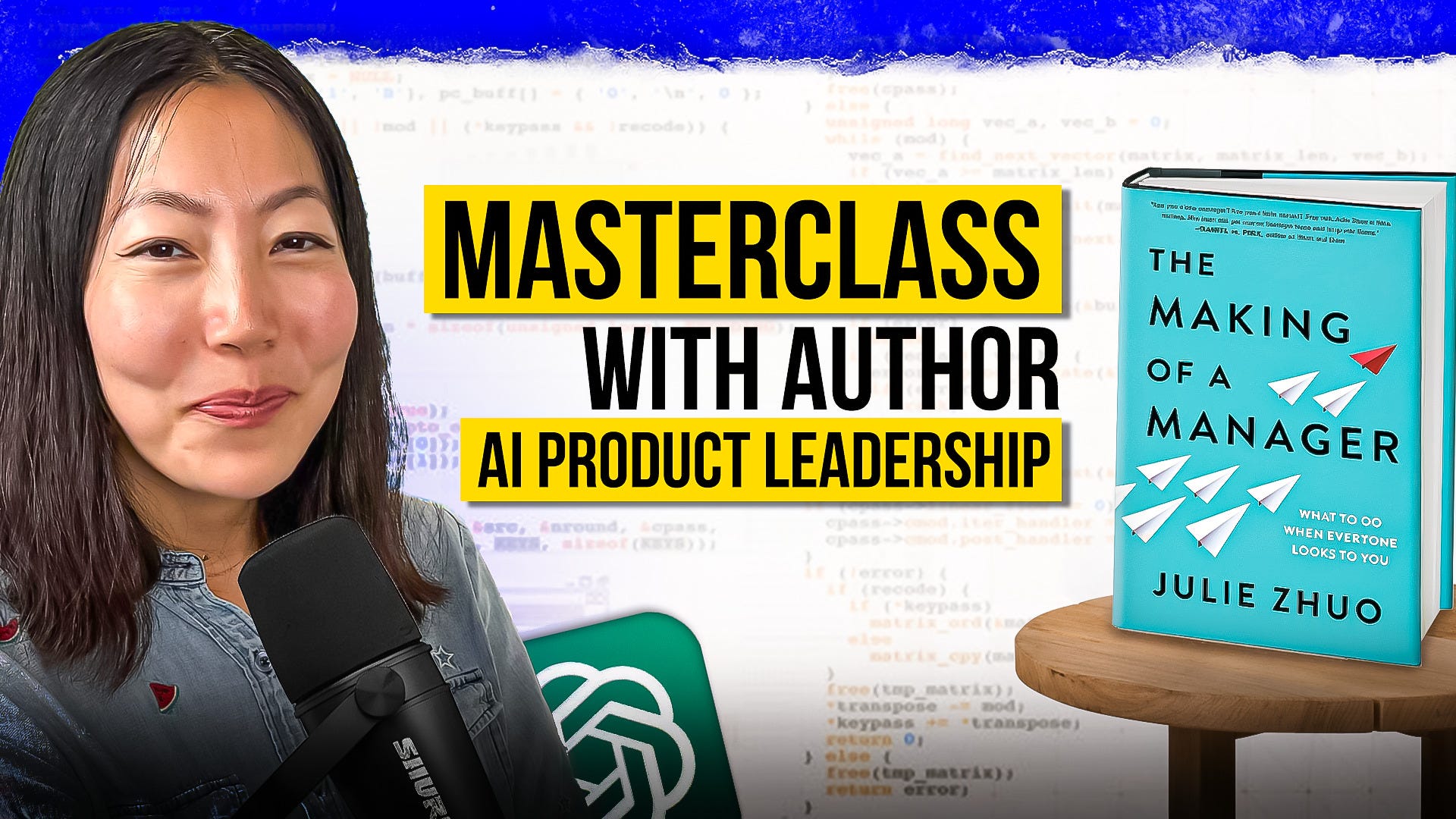
In a rapidly changing world, the most valuable skill is not expertise in one domain, but the ability to learn itself. This generalist approach allows for innovative, first-principles thinking across different fields, whereas specialists can be constrained by existing frameworks.