Get your free personalized podcast brief
We scan new podcasts and send you the top 5 insights daily.
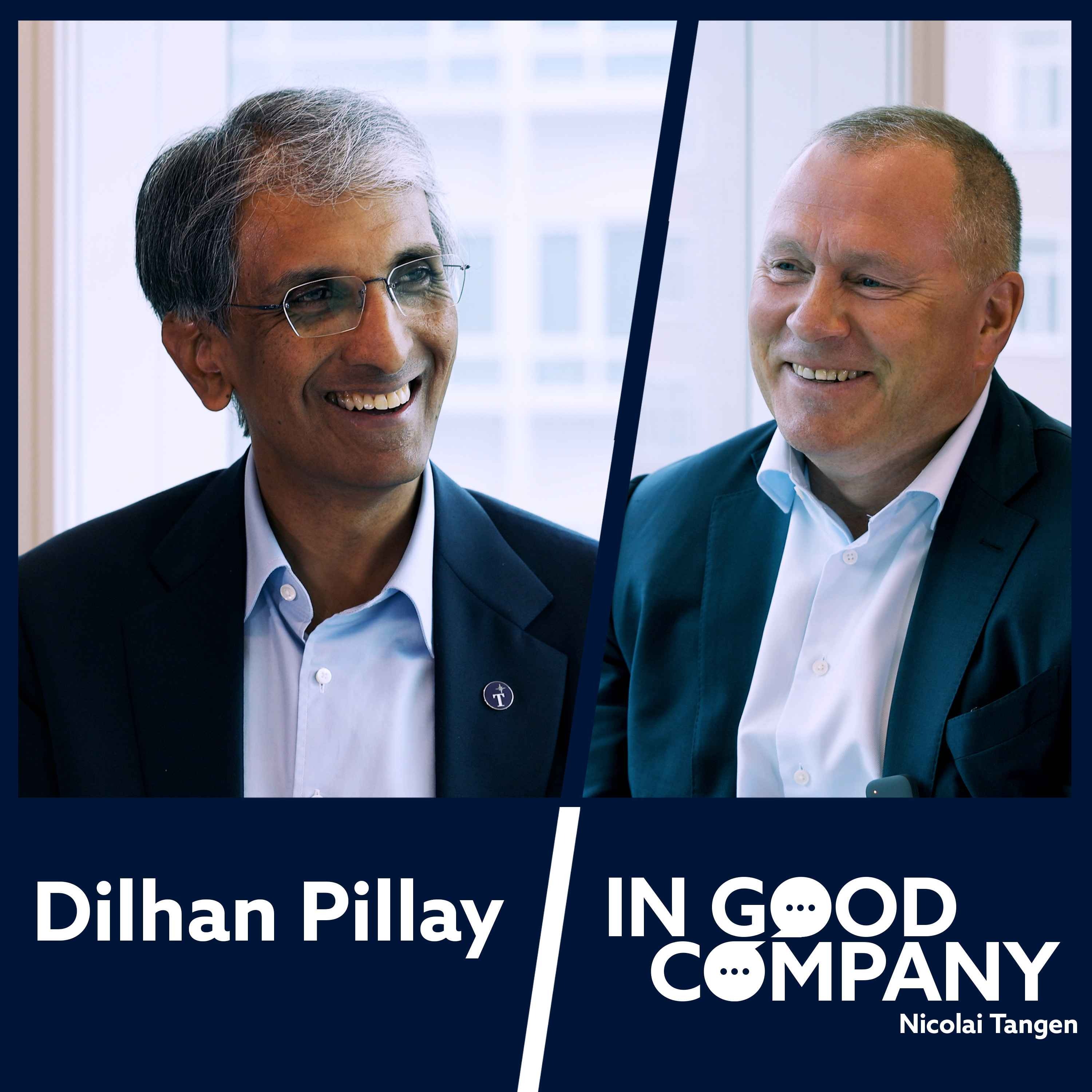
Unlike typical sovereign funds that manage reserves, Temasek directly owns its assets. This structure necessitates actively selling assets ("recycling capital") to fund new investments, creating a disciplined trade-off between holding long-term winners and pursuing new opportunities.
Related Insights
A hybrid evergreen fundraising model, combining periodic standard funds with continuous managed accounts, eliminates fundraising cliffs. This allows a firm to deploy capital counter-cyclically, buying when assets are on sale, rather than being forced to deploy or liquidate based on an artificial timeline.
![Martín Escobari - Inside General Atlantic - [Invest Like the Best, EP.449] thumbnail](https://megaphone.imgix.net/podcasts/90e6e3e6-c984-11f0-ae5f-27bb851bdc56/image/608fac468f77cb3014e96336896d96de.jpg?ixlib=rails-4.3.1&max-w=3000&max-h=3000&fit=crop&auto=format,compress)
Some companies execute a 3-5 year plan and then revert to average returns. Others 'win by winning'—their success creates new opportunities and network effects, turning them into decade-long compounders that investors often sell too early.

Temasek evaluates global investments on two fronts: financial returns and the strategic insights they generate. This "network effect" allows them to transfer knowledge from one portfolio company to others, enhancing value across their entire ecosystem and justifying investments beyond pure financial metrics.
Temasek's partnership philosophy is not about risk diversification. Instead, it prioritizes collaborating with partners who can augment its internal capabilities and provide specific skill sets it lacks for a given opportunity. This makes partnership a strategic tool for capability building, not just capital sharing.
TA's compensation structure aligns partner incentives directly with investor returns. The primary way for partners to increase their ownership (carry) is by generating realized gains—i.e., returning capital to Limited Partners. This systemically prioritizes liquidity and successful exits over simply deploying capital or marking up portfolio value on paper.

Recognizing that investment capabilities alone are insufficient, Temasek proactively established a geopolitical team and a Washington D.C. office in 2017. This was done not in reaction to a crisis but in anticipation of global shifts that could have widespread ramifications on their portfolio.
In frothy markets with multi-billion dollar valuations, a key learned behavior from 2021 is for VCs to sell 10-20% of their stake during a large funding round. This provides early liquidity and distributions (DPI) to LPs, who are grateful for the cash back, and de-risks the fund's position.

Unlike Norway's model of direct government ownership, Singapore's Temasek acts as a holding company. This structure allows it to convene portfolio company leaders (e.g., in a Sustainability Council) to share insights and best practices, creating synergies that would be impossible with disparate ownership.
After discovering that buyers of their portfolio companies were achieving 3x returns, TA shifted its strategy. Instead of selling 100%, they now often sell partial stakes. This provides liquidity to LPs and de-risks the investment while allowing TA to capture significant upside from the company's continued compounding growth.
The key lesson from Exor is that patient, long-term investing doesn't mean avoiding action. Learned from an early survival crisis, their leadership makes a few specific, intentional decisions each year to refresh the portfolio, demonstrating that decisiveness is critical even with a multi-generational time horizon.
![Exor: Fiat Crisis to Ferrari Glory - [Business Breakdowns, EP.229] thumbnail](https://megaphone.imgix.net/podcasts/81a71ab6-9e6b-11f0-8aff-7bd806e17203/image/1c411f84b9b949374f0accaa0a5ff38a.jpg?ixlib=rails-4.3.1&max-w=3000&max-h=3000&fit=crop&auto=format,compress)