Get your free personalized podcast brief
We scan new podcasts and send you the top 5 insights daily.
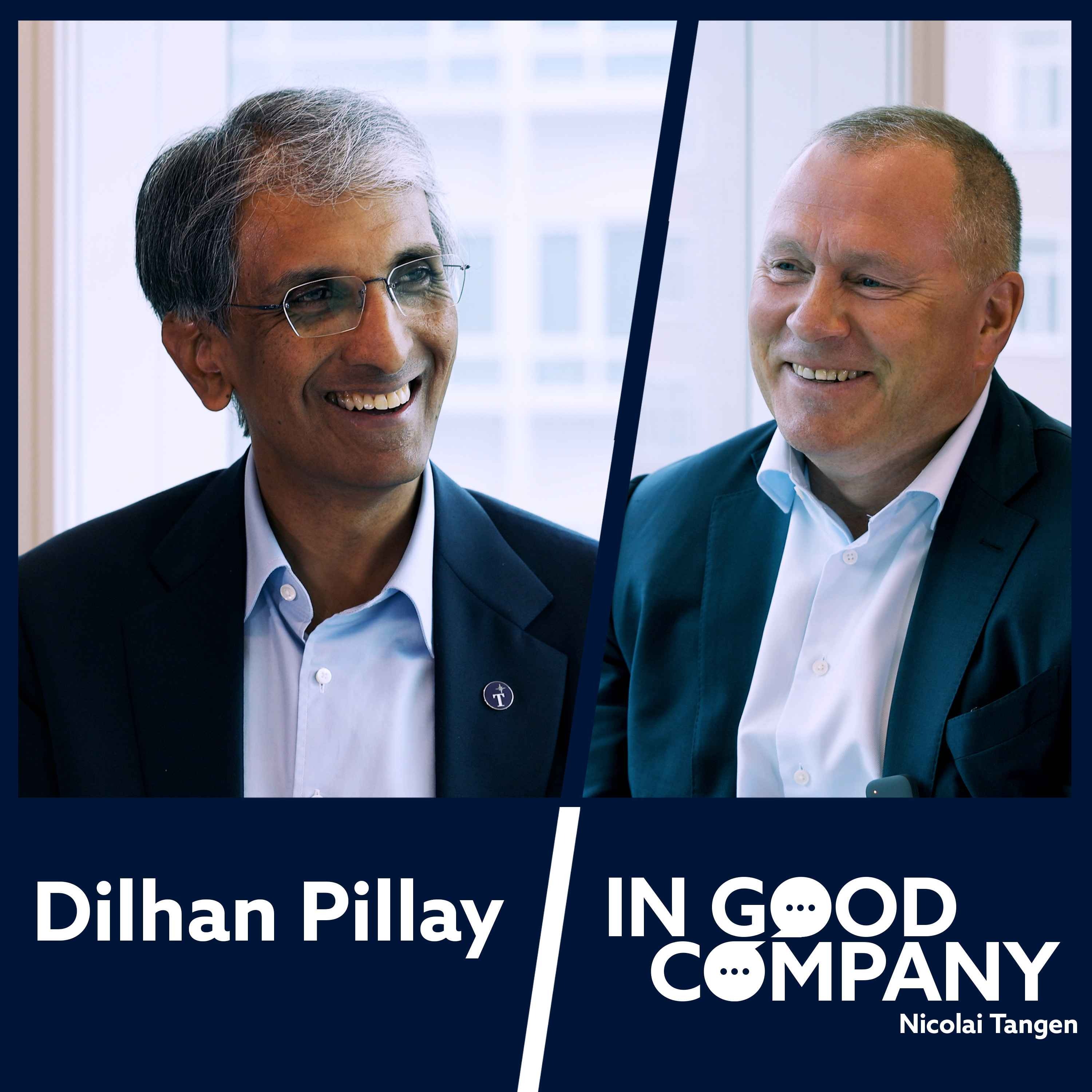
Unlike Norway's model of direct government ownership, Singapore's Temasek acts as a holding company. This structure allows it to convene portfolio company leaders (e.g., in a Sustainability Council) to share insights and best practices, creating synergies that would be impossible with disparate ownership.
Related Insights
Rather than relying on formal knowledge sharing, Alphabet's X embeds central teams (like legal, finance, prototyping) that float between projects. These individuals become natural vectors, carrying insights, best practices, and innovative ideas from one project to another, fostering organic knowledge transfer.
To ensure genuine collaboration across funds, Centerbridge structures compensation so a "substantial minority" of an individual's pay comes from other areas of the firm. This economic incentive forces a firm-wide perspective and makes being "part of one team" a financial reality, not just a cultural slogan.

Nestle avoids a rigid top-down approach by fostering a "hive mind" mentality. While a global strategy exists, local markets like Brazil and Mexico have autonomy to adapt to their unique cultures. The key is constant cross-market communication, where teams share successes and failures to ensure everyone evolves together.
Temasek evaluates global investments on two fronts: financial returns and the strategic insights they generate. This "network effect" allows them to transfer knowledge from one portfolio company to others, enhancing value across their entire ecosystem and justifying investments beyond pure financial metrics.
Combining strategy, M&A, and integration under a single leader provides a full lifecycle, enterprise-wide view. This structure breaks down silos and creates a "closed-loop system" where post-deal integration performance and lessons learned directly feed back into future strategy and deal theses, refining success metrics beyond financials.

The NBA fosters a community where marketing leaders from competing teams openly share ideas. Because teams primarily operate in different local markets, they are not direct commercial rivals. This "coopetition" allows them to learn from each other's successes and failures, elevating the marketing of the entire league.

Unlike typical sovereign funds that manage reserves, Temasek directly owns its assets. This structure necessitates actively selling assets ("recycling capital") to fund new investments, creating a disciplined trade-off between holding long-term winners and pursuing new opportunities.
Temasek's partnership philosophy is not about risk diversification. Instead, it prioritizes collaborating with partners who can augment its internal capabilities and provide specific skill sets it lacks for a given opportunity. This makes partnership a strategic tool for capability building, not just capital sharing.
Recognizing that investment capabilities alone are insufficient, Temasek proactively established a geopolitical team and a Washington D.C. office in 2017. This was done not in reaction to a crisis but in anticipation of global shifts that could have widespread ramifications on their portfolio.
Exor's governance model focuses on finding the right leaders and then giving them space to execute. They review plans and organizational structures but avoid micromanagement, viewing their role as a supportive yet challenging partner to the CEOs of their portfolio companies.
![Exor: Fiat Crisis to Ferrari Glory - [Business Breakdowns, EP.229] thumbnail](https://megaphone.imgix.net/podcasts/81a71ab6-9e6b-11f0-8aff-7bd806e17203/image/1c411f84b9b949374f0accaa0a5ff38a.jpg?ixlib=rails-4.3.1&max-w=3000&max-h=3000&fit=crop&auto=format,compress)