Get your free personalized podcast brief
We scan new podcasts and send you the top 5 insights daily.
Hastings is skeptical that AI will democratize filmmaking. He notes similar predictions were made 30 years ago with digital cameras, but the core constraint isn't the cost of equipment or special effects—it's the rare talent for high-end storytelling, which remains elusive even for giants like Netflix.

Related Insights
The fear that AI will replace top artists is misplaced. The correct framing is what happens when top talent gets AI tools. A director like Steven Spielberg could potentially increase their output 20-fold for a fraction of the cost, leading to a massive increase in high-quality creative work.

While generative video gets the hype, producer Tim McLear finds AI's most practical use is automating tedious post-production tasks like data management and metadata logging. This frees up researchers and editors to focus on higher-value creative work, like finding more archival material, rather than being bogged down by manual data entry.
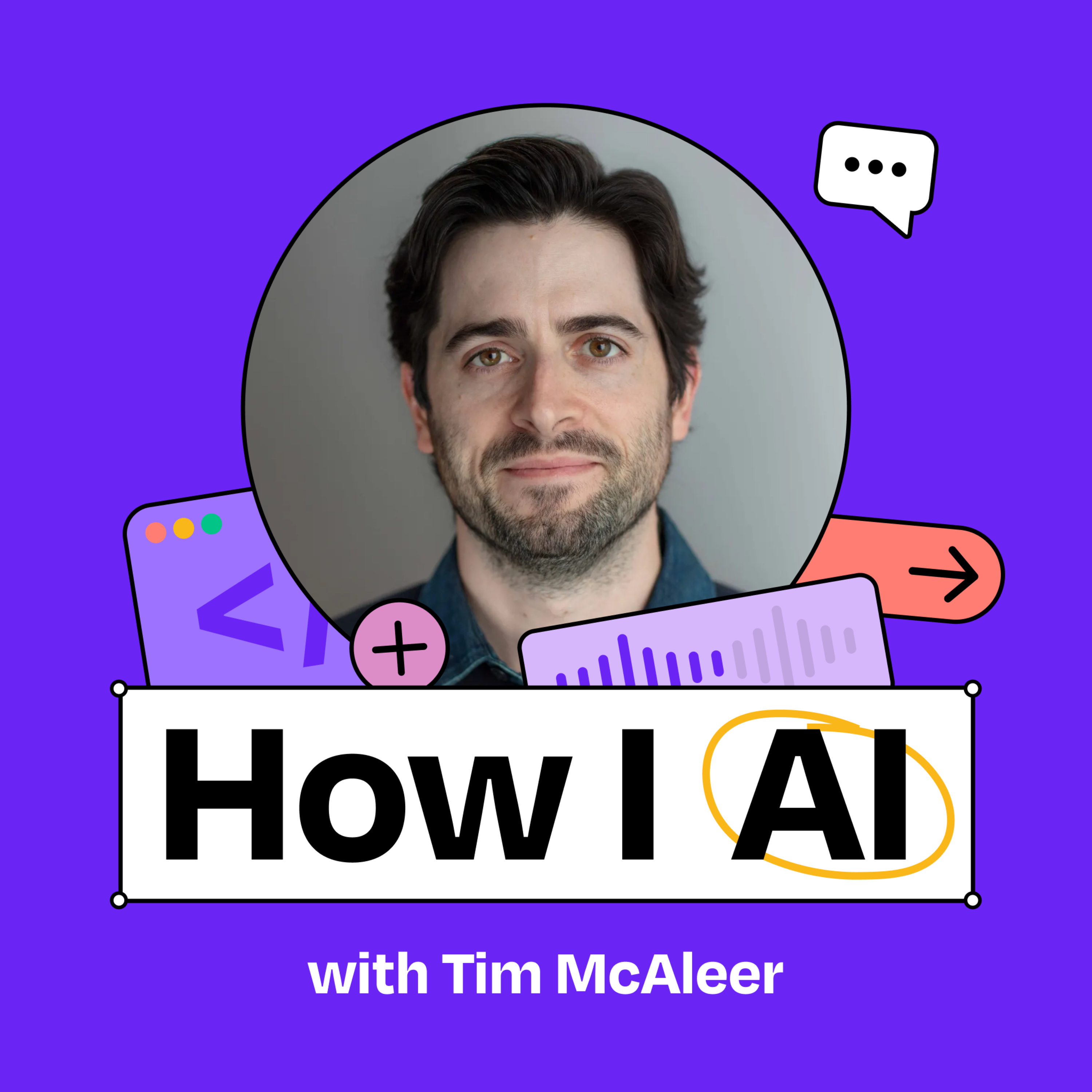
Contrary to hype, Hollywood's current AI adoption is focused on back-end processes where labor unions have fewer protections, like automating animation and storyboarding to cut costs. Studios are treading cautiously and are not greenlighting AI-written scripts or replacing human actors, which are protected by guild agreements.

ElevenLabs' CEO predicts AI won't enable a single prompt-to-movie process soon. Instead, it will create a collaborative "middle-to-middle" workflow, where AI assists with specific stages like drafting scripts or generating voice options, which humans then refine in an iterative loop.
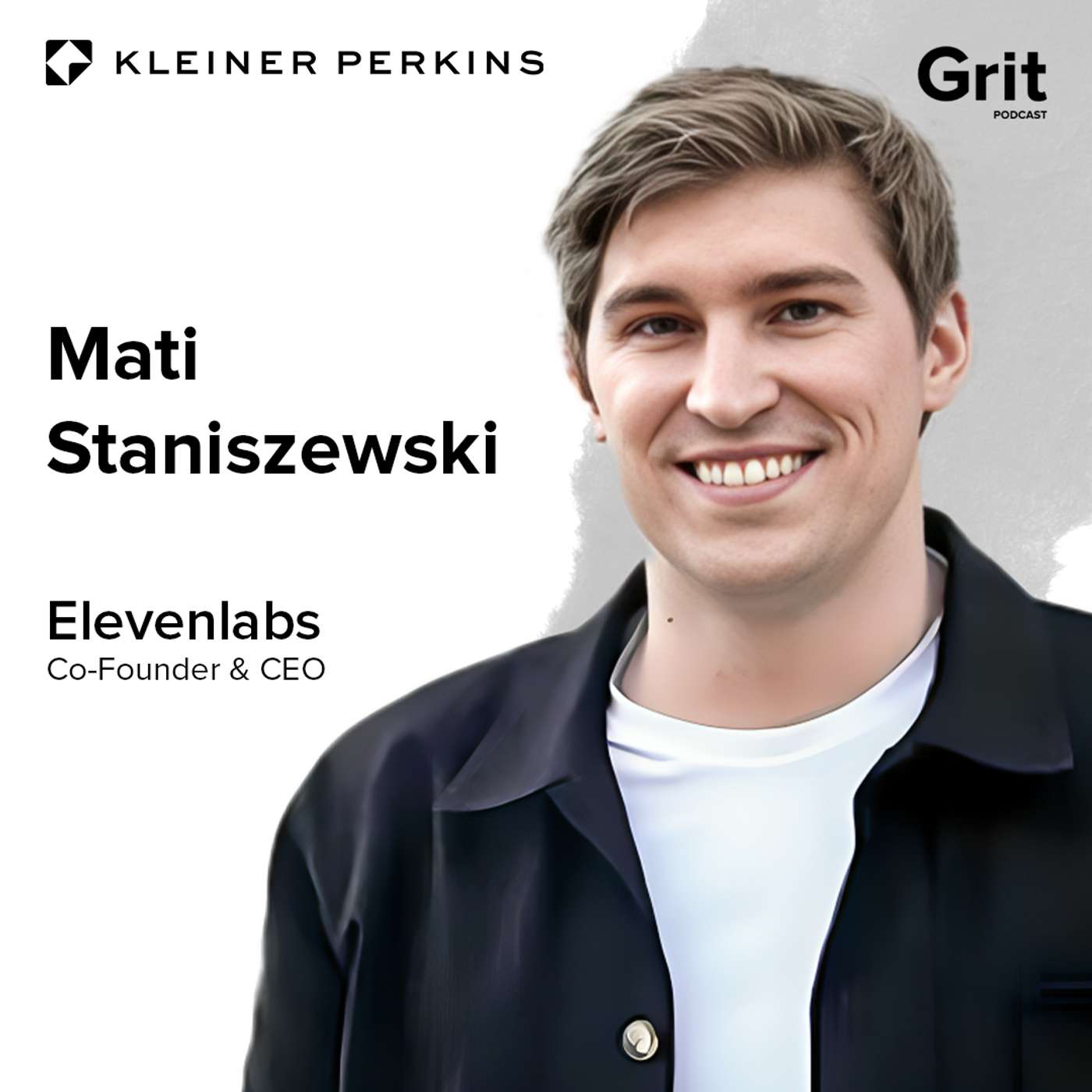
Social media allows anyone to be a "reality TV star," but creating high-production fiction requires immense capital. As AI tools democratize filmmaking, countless talented storytellers who prefer working behind the scenes—the Christopher Nolans of the world—can finally produce their visions.

As AI tools level the playing field for video production, the most valuable differentiator will be uniquely human skills. Your creativity, personality, and ability to craft a compelling story will become a premium asset that AI cannot replicate.

Netflix's acquisition of Interpositive, an AI startup, focuses on automating post-production tasks like lighting and reframing, not generating new scenes. This massive deal proves the most valuable and accepted use of AI in entertainment is as a high-end efficiency and cost-cutting tool that keeps creative control with humans.

The OpenAI team believes generative video won't just create traditional feature films more easily. It will give rise to entirely new mediums and creator classes, much like the film camera created cinema, a medium distinct from the recorded stage plays it was first used for.

The debate over AI filmmaking is misframed. AI is unlikely to create a universally acclaimed blockbuster. Instead, its strength lies in generating high volumes of "good enough" content tailored to specific subcultures and niche interests, catering to modern, fragmented media consumption habits.

Being an "AI pessimist" means being a realist about the technology's limits. As a prime example, OpenAI—the leader in the field—used traditional, human-led analog filmmaking for its first TV commercial. This move demonstrates that AI is a powerful tool within a creative process, not a replacement for entire creative industries or human skill.