Get your free personalized podcast brief
We scan new podcasts and send you the top 5 insights daily.
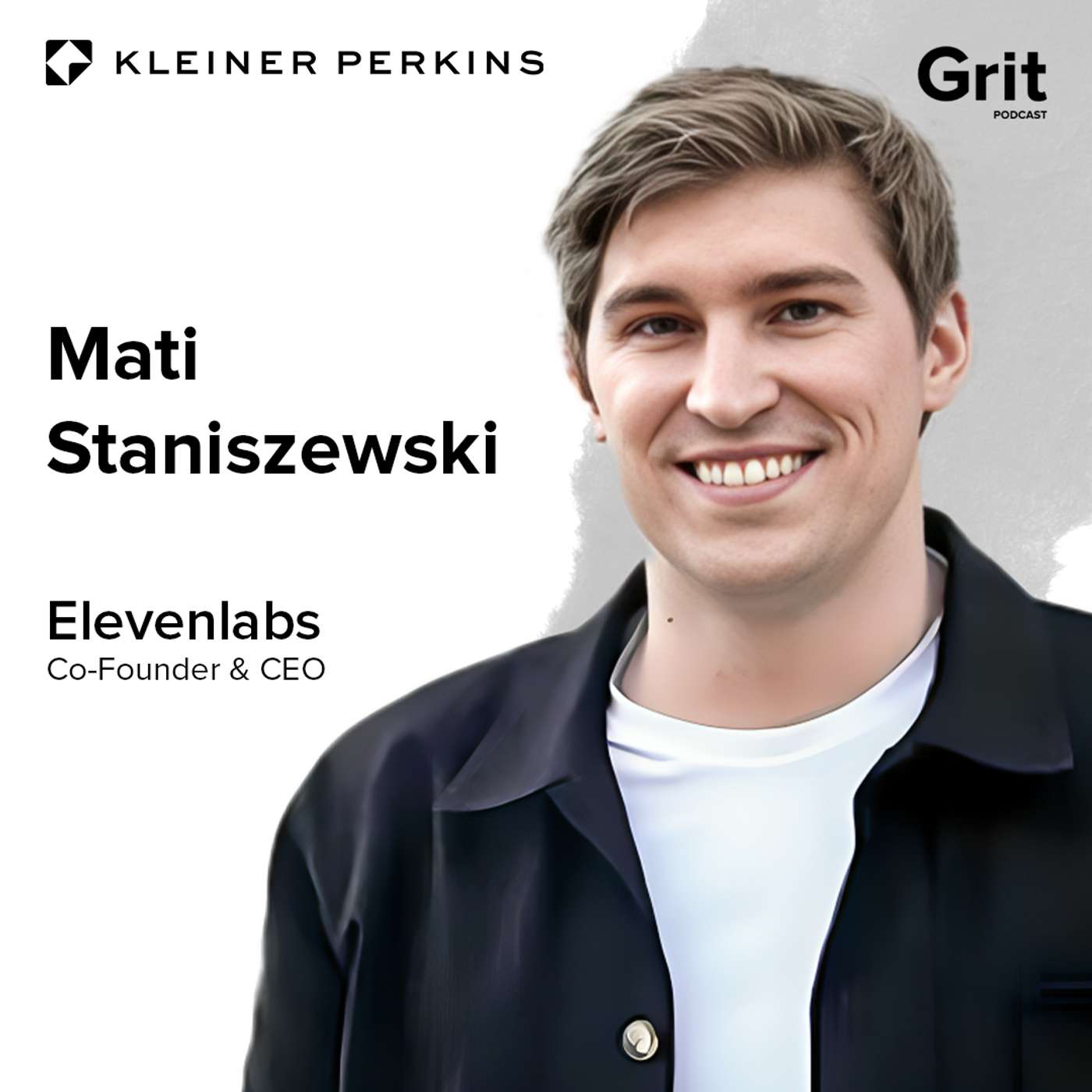
ElevenLabs' CEO predicts AI won't enable a single prompt-to-movie process soon. Instead, it will create a collaborative "middle-to-middle" workflow, where AI assists with specific stages like drafting scripts or generating voice options, which humans then refine in an iterative loop.
Related Insights
The creative process with AI involves exploring many options, most of which are imperfect. This makes the collaboration a version control problem. Users need tools to easily branch, suggest, review, and merge ideas, much like developers use Git, to manage the AI's prolific but often flawed output.

Don't view generative AI video as just a way to make traditional films more efficiently. Ben Horowitz sees it as a fundamentally new creative medium, much like movies were to theater. It enables entirely new forms of storytelling by making visuals that once required massive budgets accessible to anyone.

Complex AI-generated assets like slide decks are often not directly editable. The new creative workflow is not about manual tweaks but about refining prompts and regenerating the output. Mastery of this iterative process is becoming a critical skill for creative professionals.

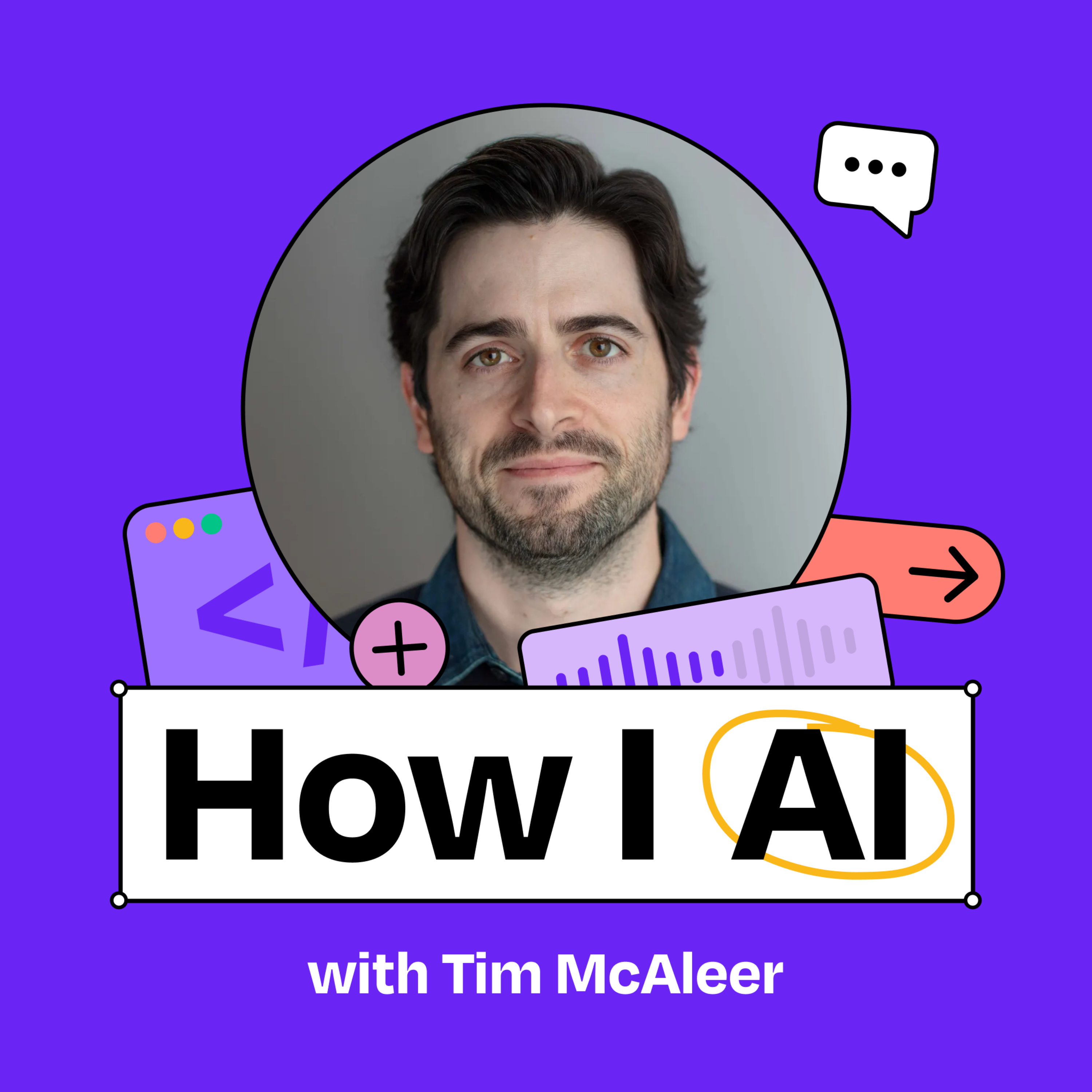
While generative video gets the hype, producer Tim McLear finds AI's most practical use is automating tedious post-production tasks like data management and metadata logging. This frees up researchers and editors to focus on higher-value creative work, like finding more archival material, rather than being bogged down by manual data entry.
ElevenLabs' defense against giants isn't just a better text-to-speech model. Their strategy focuses on building deep, workflow-specific platforms for agents and creatives. This includes features like CRM integrations and collaboration tools, creating a sticky application layer that a foundational model alone cannot replicate.
Users mistakenly evaluate AI tools based on the quality of the first output. However, since 90% of the work is iterative, the superior tool is the one that handles a high volume of refinement prompts most effectively, not the one with the best initial result.
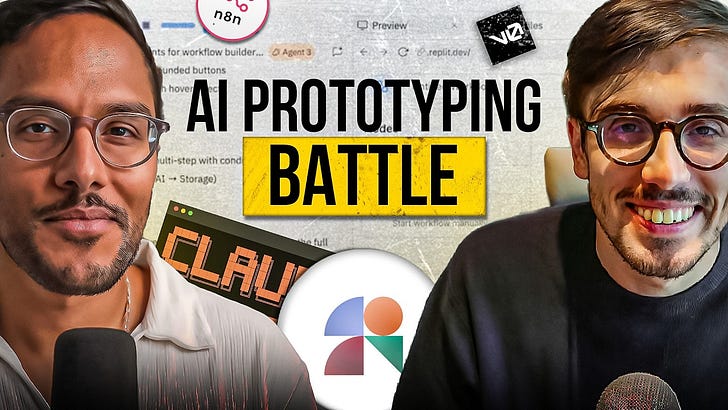
The most creative use of AI isn't a single-shot generation. It's a continuous feedback loop. Designers should treat AI outputs as intermediate "throughputs"—artifacts to be edited in traditional tools and then fed back into the AI model as new inputs. This iterative remixing process is where happy accidents and true innovation occur.
Instead of viewing AI collaboration as a manager delegating tasks, adopt the "surgeon" model. The human expert performs the critical, hands-on work while AI assistants handle prep (briefings, drafts) and auxiliary tasks. This keeps the expert in a state of flow and focused on their unique skills.
Even powerful AI tools don't produce a final, polished product. This "last mile" problem creates an opportunity for humans who master AI tools and then refine, integrate, and complete the work. These "finisher" roles are indispensable as there is no single AI solution to rule them all.

The promise of AI shouldn't be a one-click solution that removes the user. Instead, AI should be a collaborative partner that augments human capacity. A successful AI product leaves room for user participation, making them feel like they are co-building the experience and have a stake in the outcome.
