Get your free personalized podcast brief
We scan new podcasts and send you the top 5 insights daily.
Contrary to hype, Hollywood's current AI adoption is focused on back-end processes where labor unions have fewer protections, like automating animation and storyboarding to cut costs. Studios are treading cautiously and are not greenlighting AI-written scripts or replacing human actors, which are protected by guild agreements.

Related Insights
The fear that AI will replace top artists is misplaced. The correct framing is what happens when top talent gets AI tools. A director like Steven Spielberg could potentially increase their output 20-fold for a fraction of the cost, leading to a massive increase in high-quality creative work.

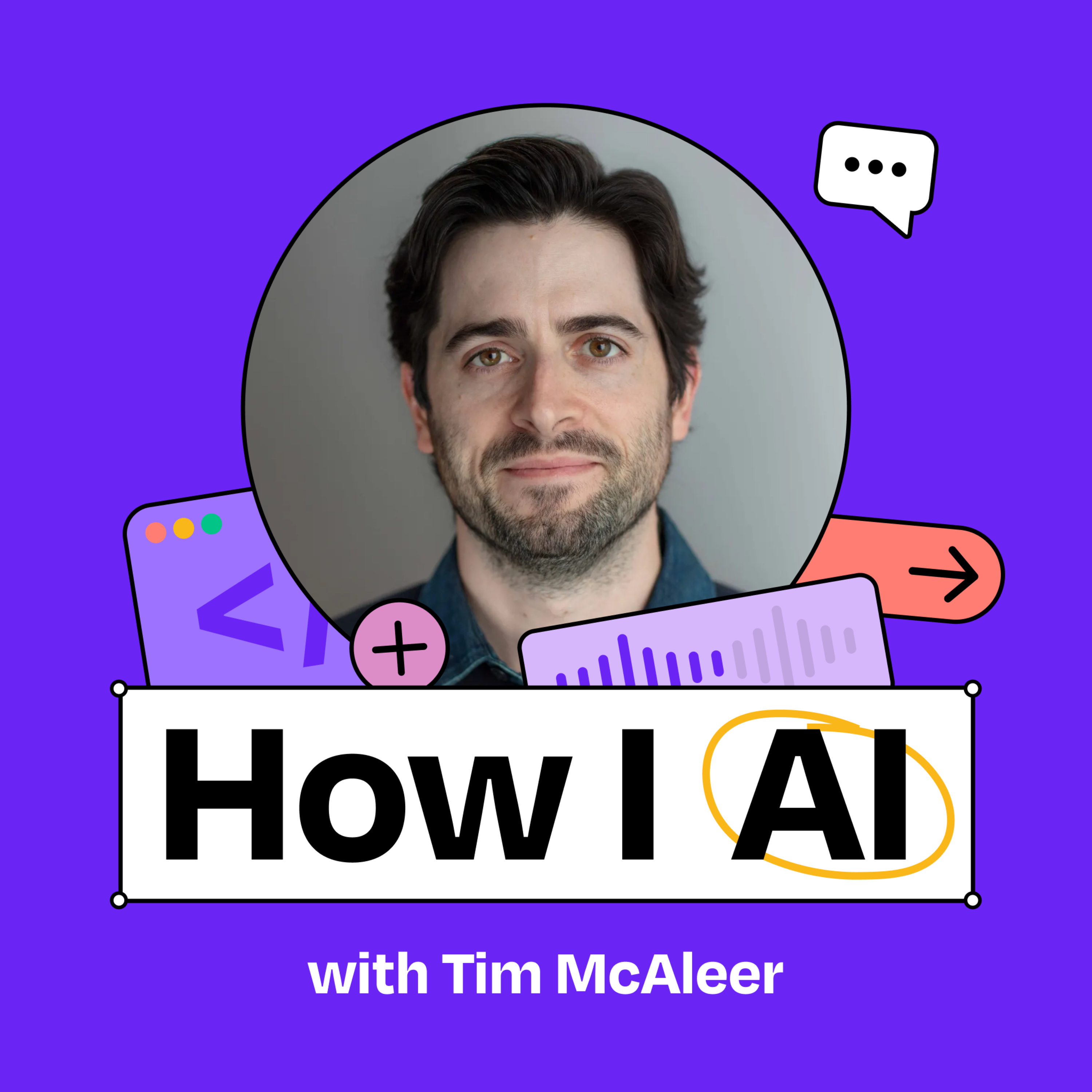
While generative video gets the hype, producer Tim McLear finds AI's most practical use is automating tedious post-production tasks like data management and metadata logging. This frees up researchers and editors to focus on higher-value creative work, like finding more archival material, rather than being bogged down by manual data entry.
Hollywood has been losing film productions to cheaper locations. AI-powered visual effects could slash costs by eliminating the need for on-location filming. This could make shooting in Los Angeles economically viable again, sparking a resurgence for the city as a production hub.
The Writers' Guild of America strike offers a sophisticated model for labor unions navigating AI. Instead of an outright ban, they negotiated a dual approach: winning protections against AI-driven displacement while also securing guarantees for their members to use AI as an assistive tool for their own benefit.

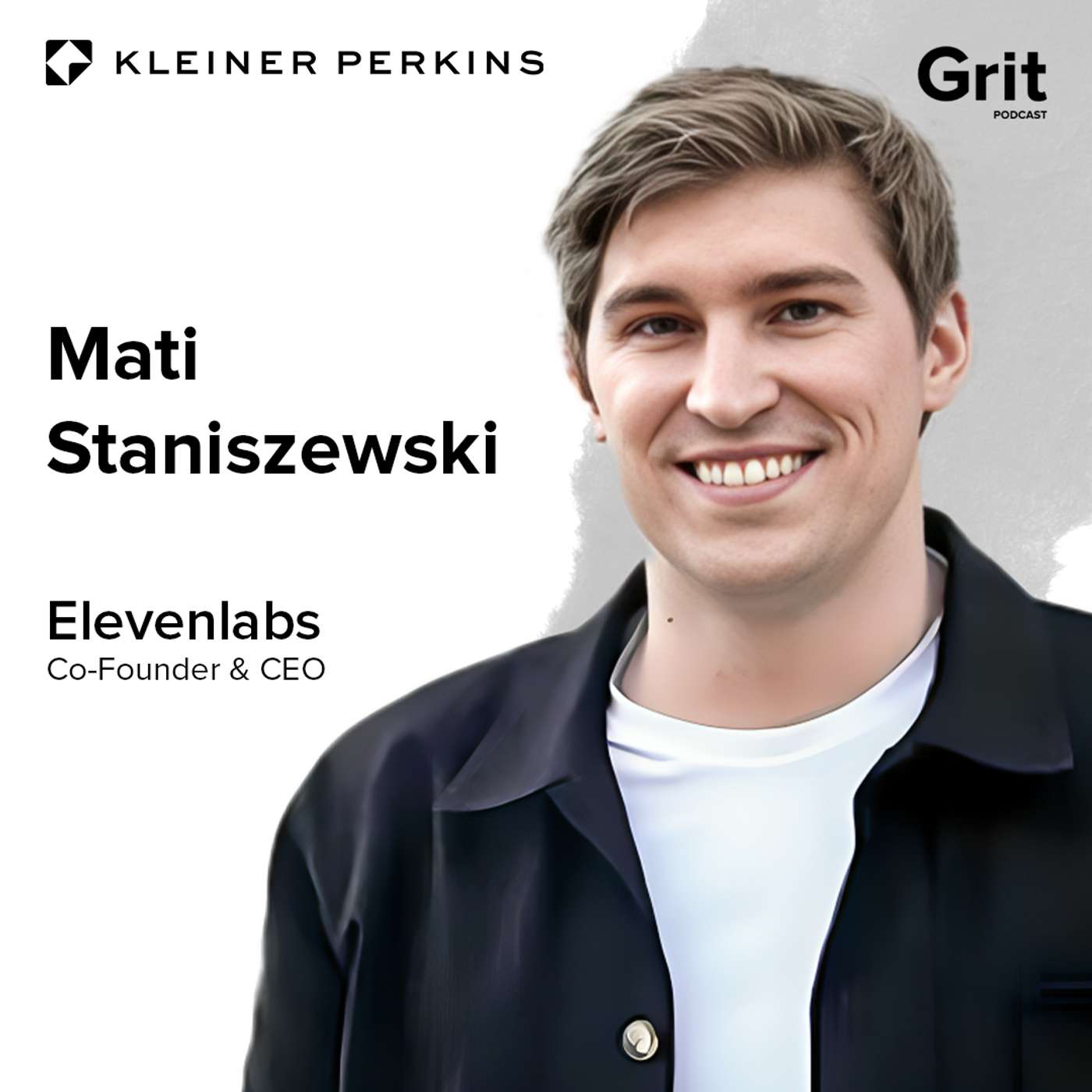
ElevenLabs' CEO predicts AI won't enable a single prompt-to-movie process soon. Instead, it will create a collaborative "middle-to-middle" workflow, where AI assists with specific stages like drafting scripts or generating voice options, which humans then refine in an iterative loop.
Like AI coding assistants for engineers, tools like Hera will not eliminate motion designers. Instead, they automate tedious 'pixel-by-pixel' execution. This frees designers to focus on high-level creativity, strategy, and overall vision, shifting their role from pure execution to creative direction.

Long before the current generative AI boom, machine learning was integral to high-end VFX, such as creating the character Thanos in Marvel's 2018 film 'Infinity War'. This historical use without public outcry suggests audiences accept AI as a tool for enhancing CGI, differentiating it from concerns about AI replacing core creative roles.

The most tangible fear of AI in Hollywood isn't replacing A-list actors, who have leverage for consent and compensation. The immediate threat is to production jobs—grips, makeup—as AI enables digital reshoots and effects, reducing the need for on-set labor.

While photorealism is a common goal, the first fully AI-generated films will likely be animated or fantasy. This is because traditional filmmaking is already cheap and effective at capturing reality. AI's true economic and creative advantage lies in generating complex, non-photorealistic visuals that are currently expensive to produce.

Public concern over AI in film often overlooks its long-standing use as a production tool. For years, machine learning pipelines have been used to enhance CGI character performances, like Thanos in 'Avengers'. This suggests audiences accept AI when it's an 'invisible' tool for enhancing quality, rather than a replacement for creative direction.