Get your free personalized podcast brief
We scan new podcasts and send you the top 5 insights daily.
Will Falcon, founder of Lightning AI, initially resisted starting a company from his PyTorch Lightning project, preferring research. However, overwhelming user adoption and persistent VC interest, culminating in 10 term sheets in four days, effectively forced his hand. The project's success became a distraction from his PhD, making the startup the logical path forward.

Related Insights
According to Databricks CEO Ali Ghodsi, monetizing open source requires two consecutive successes. First, the open source project must achieve global adoption. Second, you must build a proprietary, 10x better product on top of it to create a defensible business.

Before becoming a world-famous library, PyTorch Lightning started as "Research Lib," a personal tool Will Falcon built on Theano to accelerate his undergraduate neuroscience research. Its purpose was to avoid rewriting boilerplate code, allowing him to iterate on scientific ideas faster, demonstrating that powerful tools often solve personal problems first.
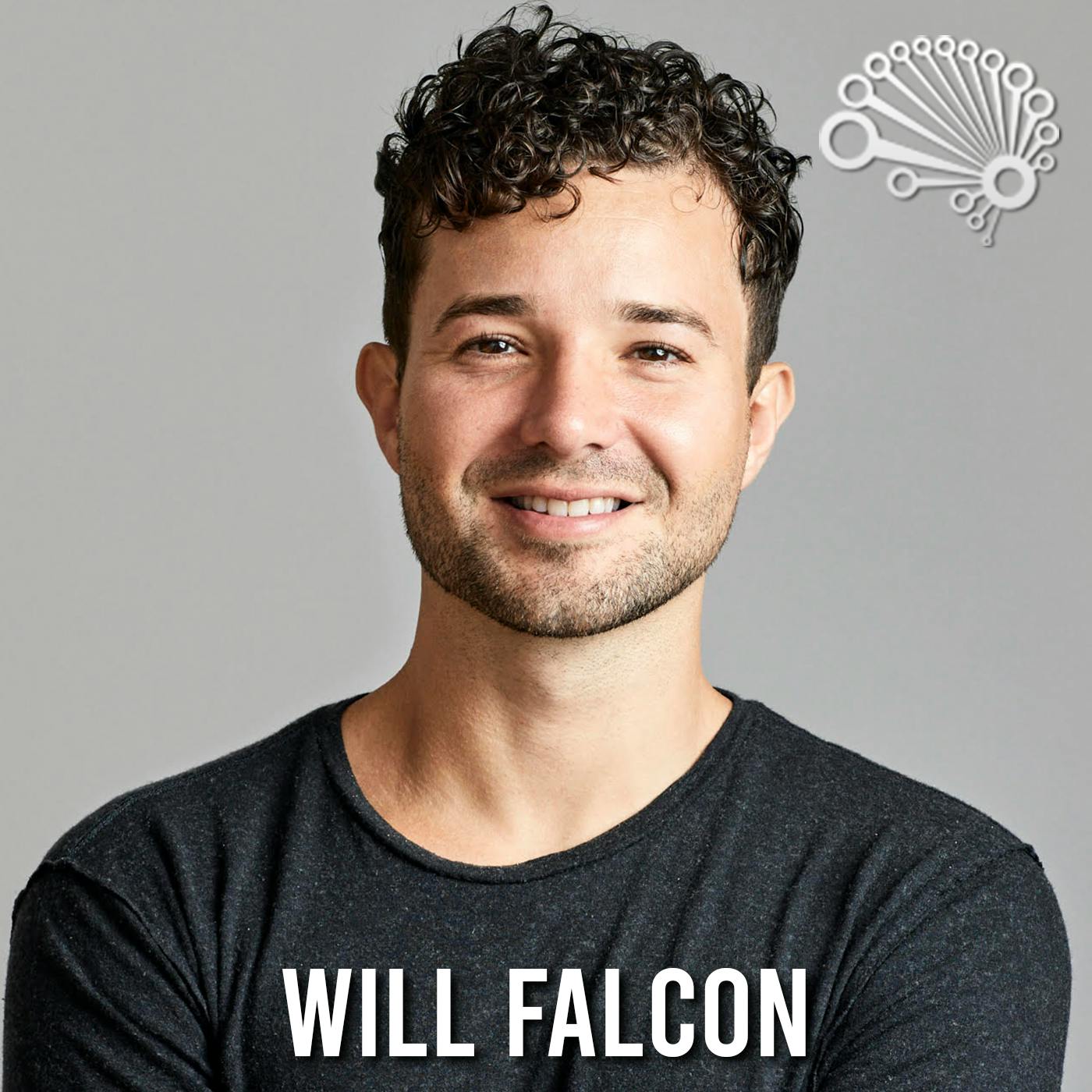
Will Falcon open-sourced PyTorch Lightning to accelerate his own research. However, its rapid adoption forced him to spend nights merging pull requests and adding features for the community, ironically slowing his PhD progress to the point he nearly shut the project down. This serves as a cautionary tale for aspiring creators.
Ovelle's founding was catalyzed by Travis Potter discovering Merrick Smela's published papers. Merrick's public presence and clear communication of his work made him discoverable. This demonstrates that for scientific entrepreneurs, sharing expertise openly is a powerful tool for inbound recruiting and fundraising.

The open-source project OpenClaw grew quietly for two months until public endorsements from renowned AI researcher Andre Karpathy and VC David Sachs. This highlights how influencer marketing, even in highly technical fields, can be the primary catalyst for a project's viral trajectory, proving more effective than traditional marketing.

Top academic mentors like MIT's Dr. Robert Langer guide postdocs away from incremental research toward solving major, high-risk problems. This focus on creating significant societal impact, rather than just publishing, serves as the direct catalyst for founding ambitious companies like Vivtex.

The competitive AI landscape has forced founders from pure research backgrounds to adopt a strong focus on financial returns. This shift from idealistic AGI pursuits to "hard capitalism" means they make rational R&D spending decisions, de-risking investor concerns.

Merrick Smela found the switch from academia to his startup, Ovelle, to be a small one. During his PhD, he operated with a clear, product-focused goal: "I want to make an egg." This contrasts the stereotype of purely exploratory academic research, showing that a mission-driven approach is excellent training for entrepreneurship.
The founders, not being PhD AI researchers, knew they couldn't rely on being acqui-hired by a tech giant. This perceived weakness became a strength, forcing them to relentlessly focus on finding customers and building a sustainable business from day one, unlike many research-led AI startups of that era.

Despite significant VC interest, OpenClaw founder Peter Steinberger joined OpenAI to avoid the operational burdens of starting another company. This highlights a key motivation for elite technical talent: the desire to focus purely on building technology without the distractions of fundraising and management.
