Get your free personalized podcast brief
We scan new podcasts and send you the top 5 insights daily.
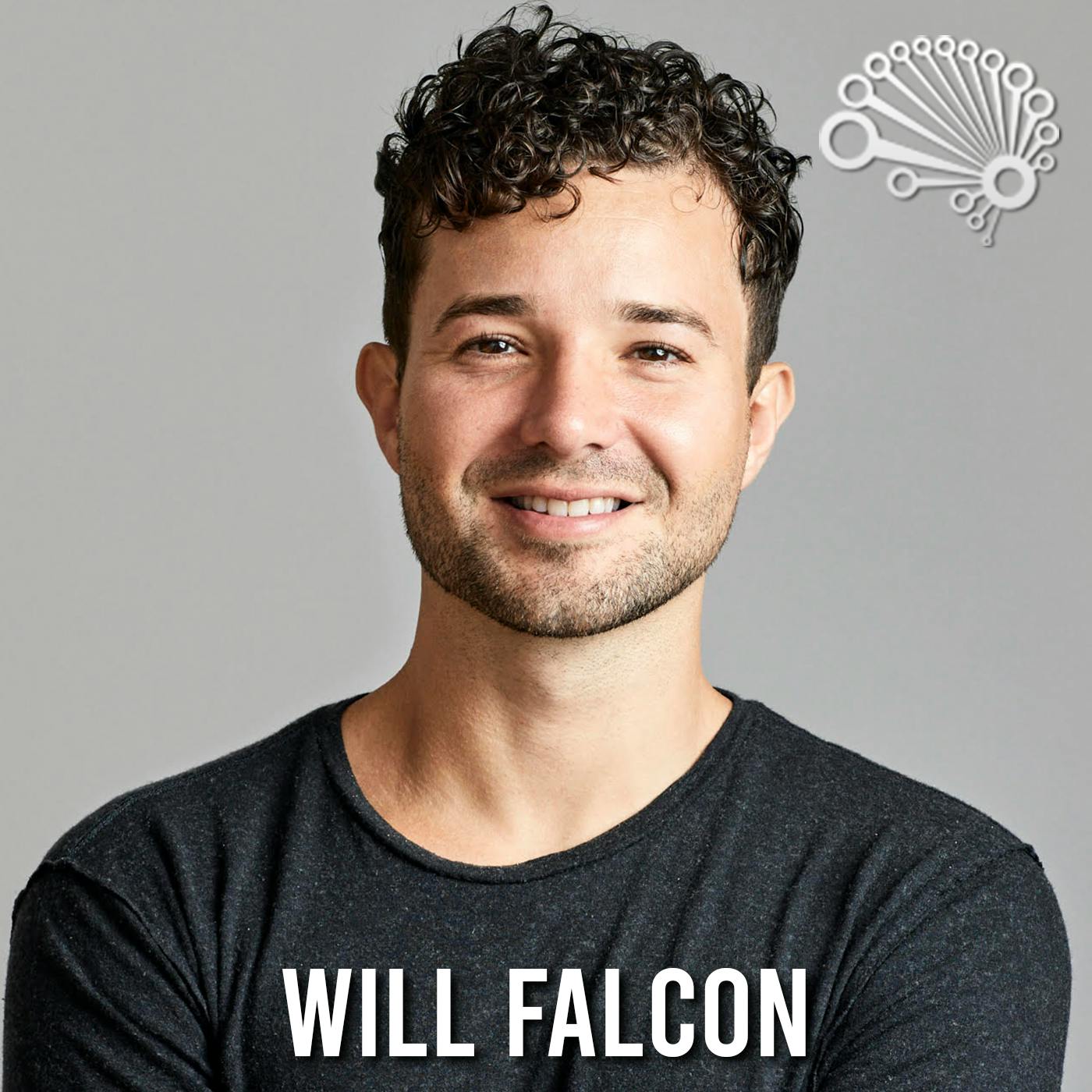
Will Falcon open-sourced PyTorch Lightning to accelerate his own research. However, its rapid adoption forced him to spend nights merging pull requests and adding features for the community, ironically slowing his PhD progress to the point he nearly shut the project down. This serves as a cautionary tale for aspiring creators.
Related Insights
Before becoming a world-famous library, PyTorch Lightning started as "Research Lib," a personal tool Will Falcon built on Theano to accelerate his undergraduate neuroscience research. Its purpose was to avoid rewriting boilerplate code, allowing him to iterate on scientific ideas faster, demonstrating that powerful tools often solve personal problems first.
Open source AI models can't improve in the same decentralized way as software like Linux. While the community can fine-tune and optimize, the primary driver of capability—massive-scale pre-training—requires centralized compute resources that are inherently better suited to commercial funding models.
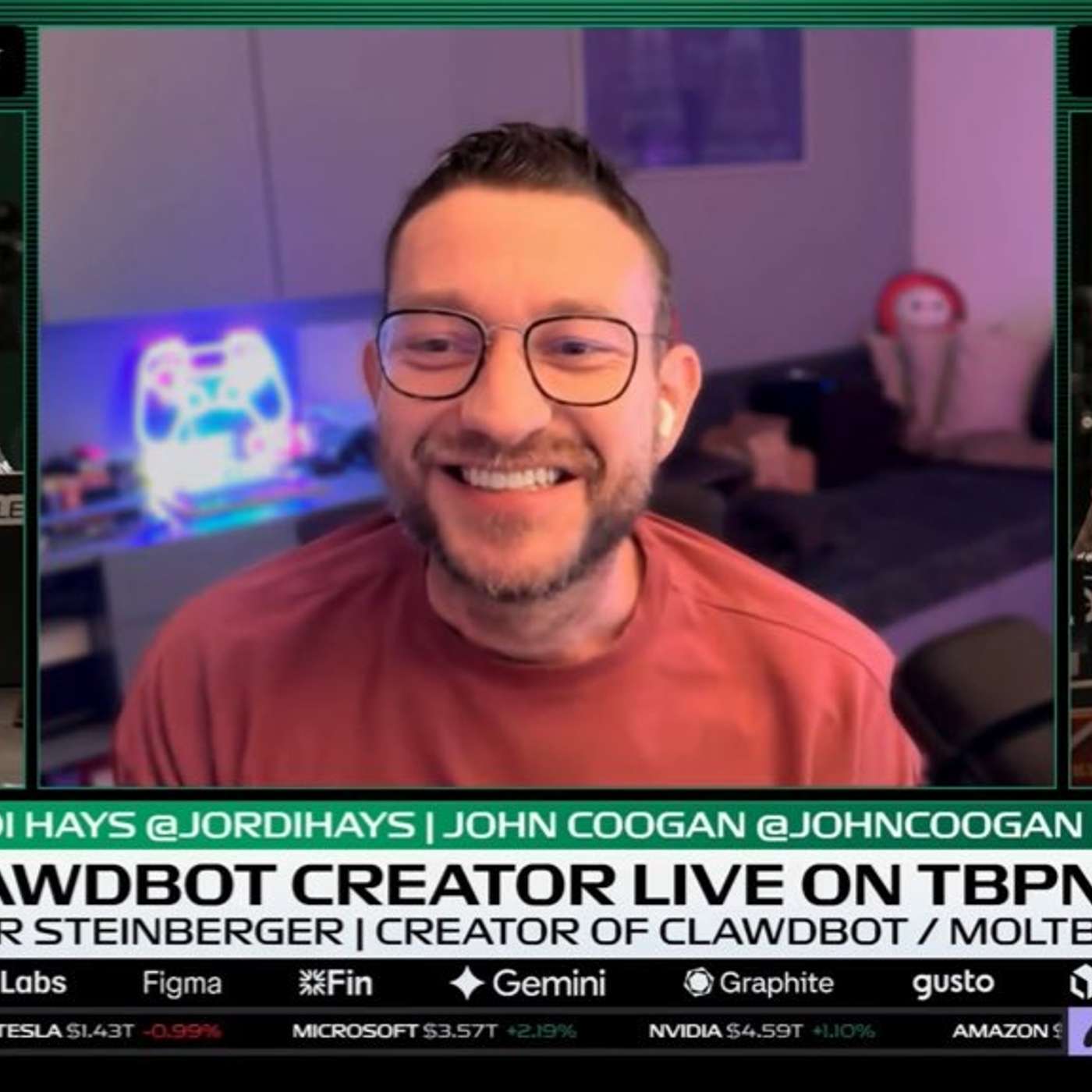
A personal project built for trusted environments can become a major security liability when it goes viral. Moltbot's creator now faces a barrage of security reports for unintended uses, like public-facing web apps. This highlights a critical, often overlooked challenge for solo open-source maintainers.
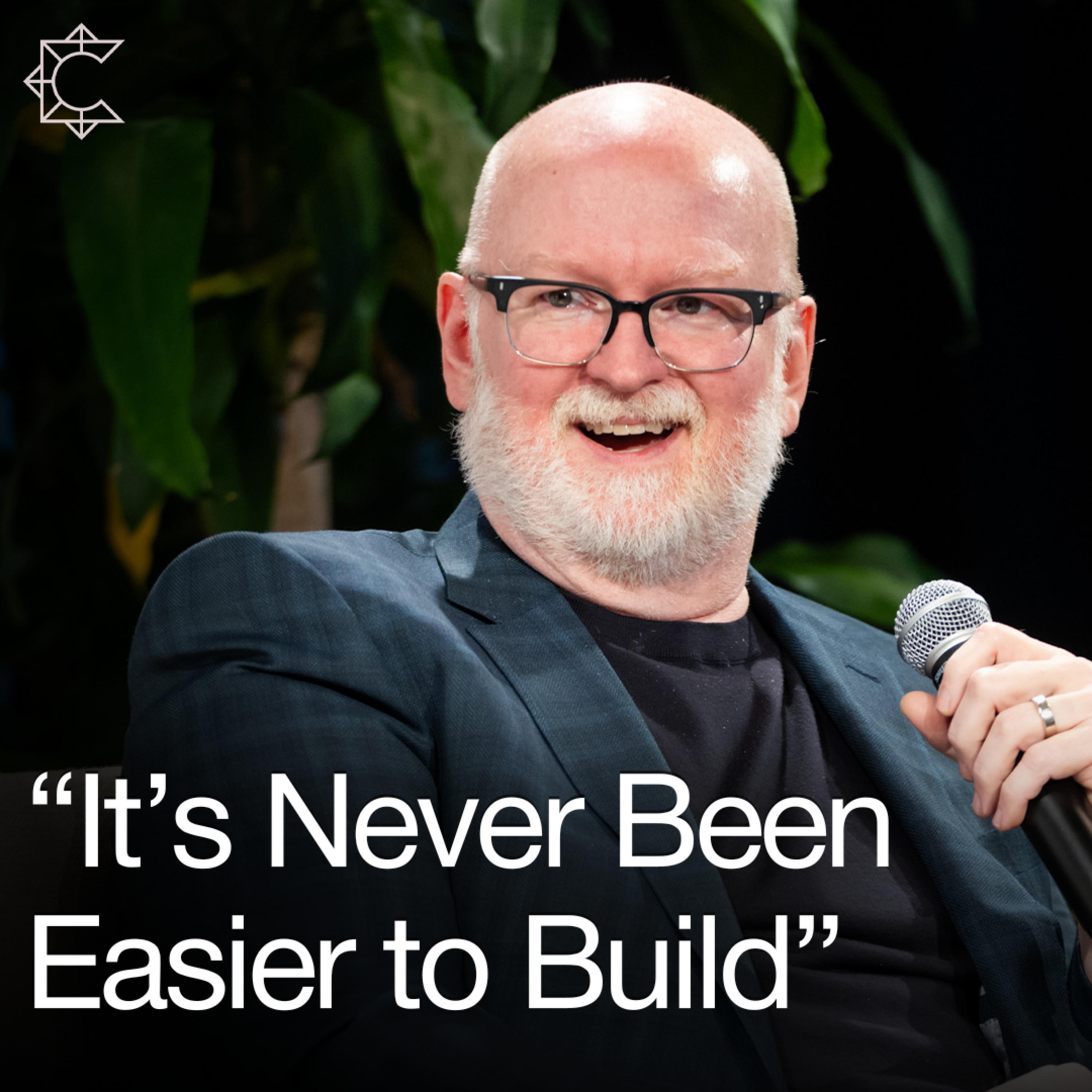
The collective innovation pace of the VLLM open-source community is so rapid that even well-resourced internal corporate teams cannot keep up. Companies find that maintaining an internal fork or proprietary engine is unsustainable, making adoption of the open standard the only viable long-term strategy to stay on the cutting edge.

A founder's deep, intrinsic passion for their company's mission is critical for long-term success. Even with a sound business model, a lack of genuine care leads to burnout and failure when challenges arise. Leaders cannot sustain success in areas they consider a distraction from their "real" passion, like AGI research versus product monetization.

The initial motivation for many early Firefox contributors wasn't financial gain but solving a personal pain point. They got involved simply because they wanted to fix their own crashing browser in their college dorm room, which then evolved into a larger mission-driven effort.

Moltbot's creator highlights a key challenge: viral success transforms a fun personal project into an overwhelming public utility. The creator is suddenly bombarded with support requests, security reports, and feature demands from users with different use cases, forcing a shift from solo hacking to community-led maintenance or a foundation.

The key to successful open-source AI isn't uniting everyone into a massive project. Instead, EleutherAI's model proves more effective: creating small, siloed teams with guaranteed compute and end-to-end funding for a single, specific research problem. This avoids organizational overhead and ensures completion.

Despite massive traction and investor interest, the creator of the viral AI agent Moltbot insists his primary motivation is having fun and inspiring others, not making money. This philosophy informs his decision to keep the project open-source and resist forming a traditional company, showcasing an alternative path for impactful tech.
While creator Peter Steinberger is credited with Moltbot's viral success, he quickly brought on contributors to manage the project. This challenges the popular narrative of solo founders reaching massive scale, highlighting that even hyper-efficient creators need a team to handle rapid growth and operational complexity.