The merger combines Lightning AI's software suite with Voltage Park's GPU infrastructure. This vertical integration provides a seamless, cost-effective solution for AI development, from training to deployment, much like Apple controls its hardware and software for a superior user experience.
A new category of cloud providers, "NeoClouds," are built specifically for high-performance GPU workloads. Unlike traditional clouds like AWS, which were retrofitted from a CPU-centric architecture, NeoClouds offer superior performance for AI tasks by design and through direct collaboration with hardware vendors like NVIDIA.
Many NeoClouds are over-leveraged with loans based on volatile market caps and rely heavily on high-risk startups. This creates a fragile economic model akin to a mortgage crisis, where customer defaults could trigger a cascade of financial problems. Lightning AI mitigates this by being debt-free and focusing on enterprise clients.
The current AI landscape, with its many single-purpose tools for inference, vector storage, and training, mirrors the early days of cloud computing. Just as S3 and EC2 were primitives that AWS bundled into a comprehensive cloud, these disparate AI tools will eventually be integrated into a new, cohesive "AI Cloud" platform.
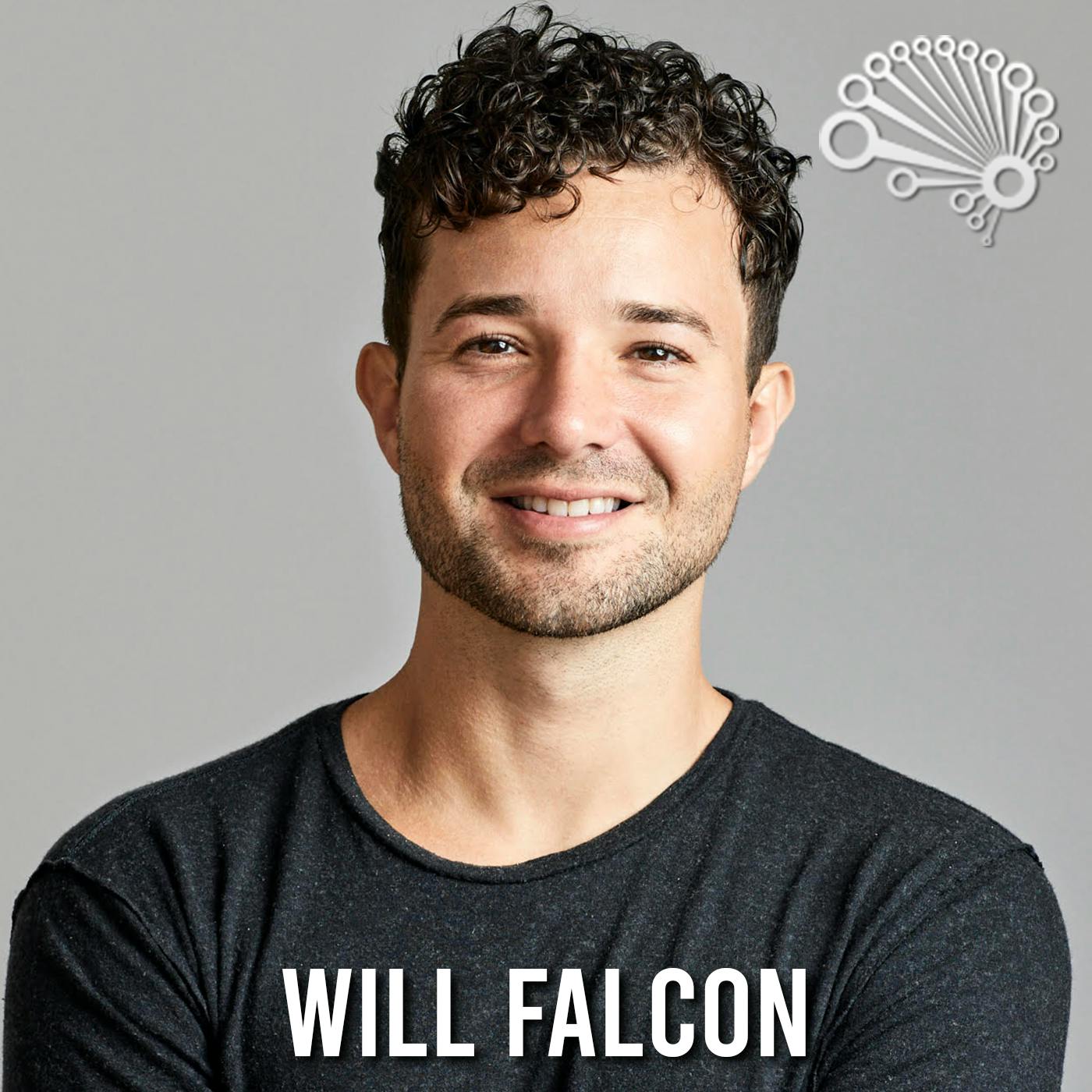
Before becoming a world-famous library, PyTorch Lightning started as "Research Lib," a personal tool Will Falcon built on Theano to accelerate his undergraduate neuroscience research. Its purpose was to avoid rewriting boilerplate code, allowing him to iterate on scientific ideas faster, demonstrating that powerful tools often solve personal problems first.
Will Falcon open-sourced PyTorch Lightning to accelerate his own research. However, its rapid adoption forced him to spend nights merging pull requests and adding features for the community, ironically slowing his PhD progress to the point he nearly shut the project down. This serves as a cautionary tale for aspiring creators.
In 2019, 99% of workloads used a single GPU, not because researchers lacked bigger problems, but because the tooling for multi-GPU training was too complex. PyTorch Lightning's success at Facebook AI demonstrated that simplifying the process could unlock massive, latent demand for scaled-up computation.
At his startup NextGenVest, Will Falcon treated conversations about financial aid as a game. Using reinforcement learning, the system suggested questions to human agents to maximize the financial aid secured for a student. The system helped students obtain $60 million in aid, showcasing a novel, impactful use of RL.
When evaluating NeoCloud partners, Lightning AI found that Voltage Park stood out not just on tech, but on their hyper-responsive "white glove" customer support. This dedication to customer success was the crucial factor that enabled them to land and retain large enterprise clients, proving service can beat specs.
In a powerful example of dogfooding, every developer at Lightning AI—whether working in Go or Python, on web apps or ML models—codes within the company's "Studios" cloud environment. This validates the product's flexibility and ensures the team directly experiences its strengths and weaknesses, accelerating improvement.
Will Falcon notes that NYU, influenced by figures like Yann LeCun, cultivated a strong open-source culture that was instrumental in incubating foundational libraries. Projects like PyTorch, Scikit-learn, and Librosa received significant contributions from people at NYU, revealing the university's quiet but deep impact on the modern AI stack.