Get your free personalized podcast brief
We scan new podcasts and send you the top 5 insights daily.
The feeling of guilt is not a pure moral response; it's heavily modulated by the perceived risk of discovery. A small transgression with a high chance of being exposed can generate more guilt than a severe one that is certain to remain secret, reframing guilt as a social-risk emotion.

Related Insights
In studies, participants preferred to hire or date people who admitted to negative acts (e.g., being reprimanded) over those who chose a "decline to answer" option. The act of conspicuous concealment is perceived as a fundamental breach of trust that is judged more harshly than the disclosed flaw itself.
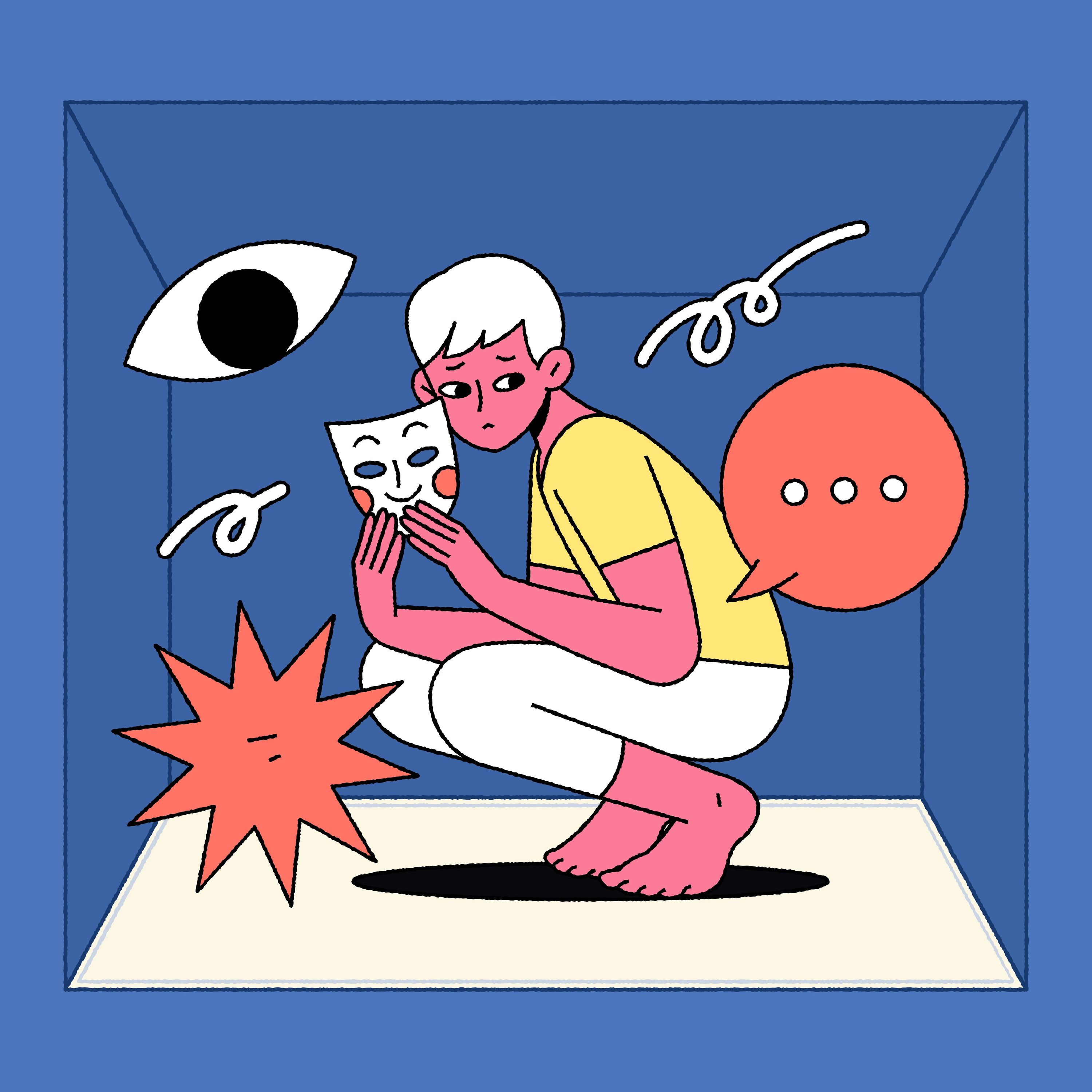
Our moral sense was shaped by "social selection"—the process of choosing social partners. Individuals who were trustworthy, loyal, and genuinely caring were more likely to be chosen for friendships and alliances, giving their genes an advantage. This reframes guilt and social anxiety as tools for maintaining valuable relationships.
Small lies can snowball into major fraud because the brain habituates to the act of lying. With each lie, the emotional centers of the brain that signal negative feelings respond less strongly. This reduction in guilt or discomfort removes the natural barrier to escalating dishonesty.

A systematic, four-part protocol systematically breaks down resistance to confession: Socialize (people will understand), Minimize (it's not a big deal), Rationalize (it made sense), and Project (it wasn't your fault). This process alleviates the core burdens of guilt, framing confession as an attractive path to relief.
Contrary to pop psychology, guilt can be a powerful motivator. Guilt makes you feel "I did a bad thing," prompting amends. Shame, however, makes you feel "I am a bad person," leading to withdrawal or aggression. A healthy dose of guilt can fuel moral ambition.

The fear of loss is stronger than the attraction to gain. This "loss aversion" explains why people hesitate to initiate positive gestures, like smiling at a stranger in an elevator. They are willing to sacrifice an almost certain positive reciprocal outcome (98% chance) to protect against a tiny risk of looking foolish (2% chance).
![Charlie Munger and The Psychology of Human Misjudgement [Outliers] thumbnail](https://megaphone.imgix.net/podcasts/ffb628d4-c418-11f0-acd7-b3217b3943c4/image/37067138e685dc4ea5d98531397f6711.png?ixlib=rails-4.3.1&max-w=3000&max-h=3000&fit=crop&auto=format,compress)
In scenarios like Jonathan Haidt's "Mark and Julie" experiment, where incest is harmless and consensual, people still condemn it. This reaction may be less about a moral calculation of harm and more about an individual's fear of being seen publicly opposing a powerful social norm.
A listener was "haunting me for almost a decade" by the secret of being caught on a security camera. When she finally confessed, no one cared. This illustrates the "spotlight effect," where we overestimate how much others care about our actions, leading to disproportionate internal distress over secrets.
Shame evolved as a powerful social control mechanism essential for tribal survival. In the modern world, this ancient, automatic emotional response becomes maladaptive, creating a significant barrier to processing personal trauma effectively.

Most people don't cheat to the maximum possible extent. Instead, they cheat just enough to gain an advantage while still being able to rationalize their behavior and preserve their self-concept as a fundamentally honest person.
