Get your free personalized podcast brief
We scan new podcasts and send you the top 5 insights daily.
While the US considers unstable nations like Venezuela for oil, it neglects Canada—a friendly neighbor with vast, untapped oil sands and other resources. A US-Canada energy task force could quickly boost supply via rail, offering a more reliable solution than politically fraught alternatives.
Related Insights
Driven by U.S. shale, Brazilian and Guyanese oil, and Canadian pipelines, the Western Hemisphere's importance in global fossil fuel production has surged to levels not seen in nearly a century. This geographic shift fundamentally alters global energy dependencies and geopolitical focus.

While beneficial for U.S. refiners, a resurgence in Venezuelan production could harm U.S. shale producers. They would face not only lower overall oil prices but also a potential shift in marginal supply growth away from shale towards Venezuela over the next decade, diminishing their market position.

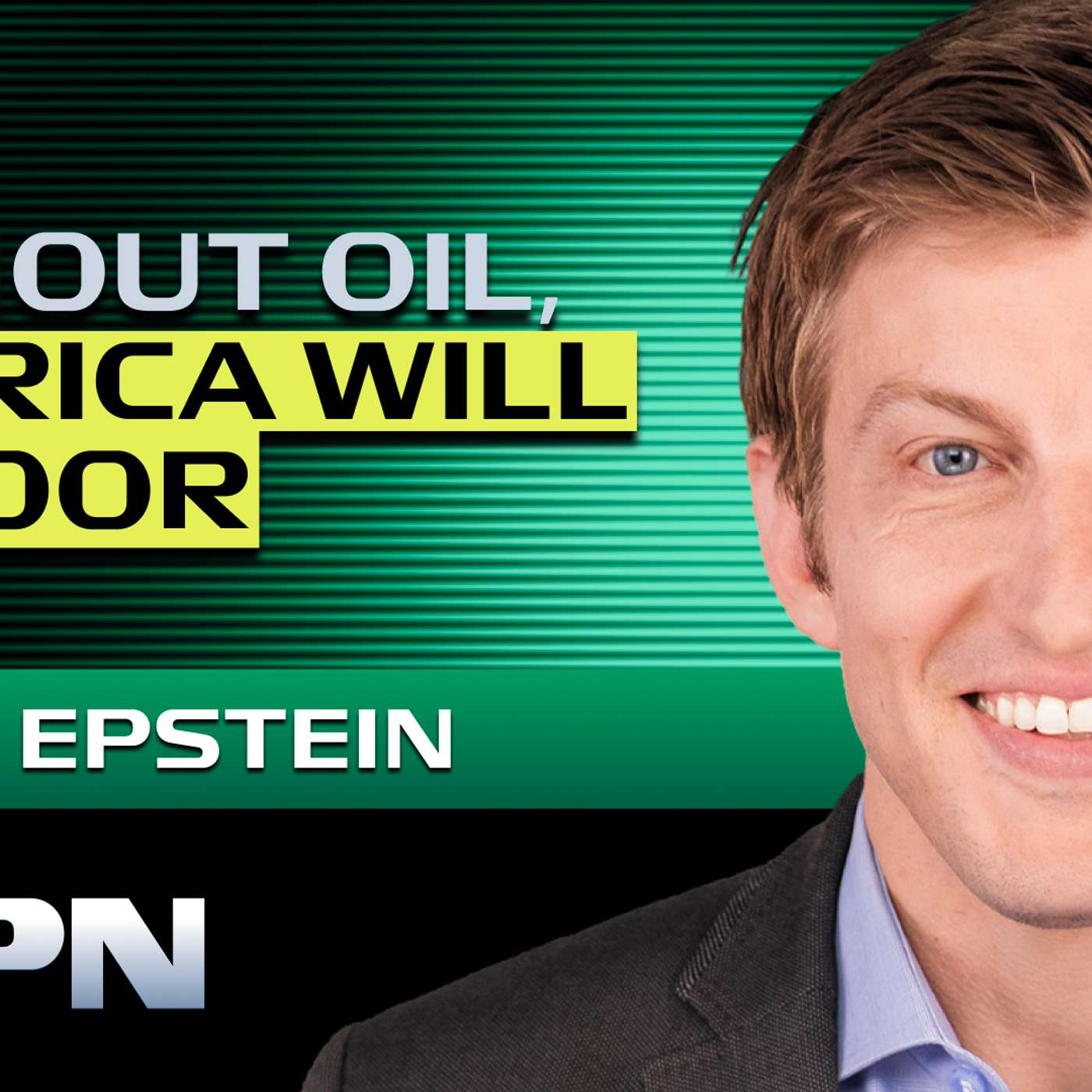
Energy expert Alex Epstein argues the U.S. is "sleeping on Canada" as an energy partner. Canada has vast, untapped oil sands, uranium, and other resources with a friendly government. Strengthening this partnership is a huge, neglected opportunity for North American energy independence.

To counteract US trade barriers, Canada's long-term strategy involves removing its own internal trade barriers between provinces. This move is projected to boost GDP by a quarter of a trillion dollars, enough to offset even a complete breakdown of the US trade deal.
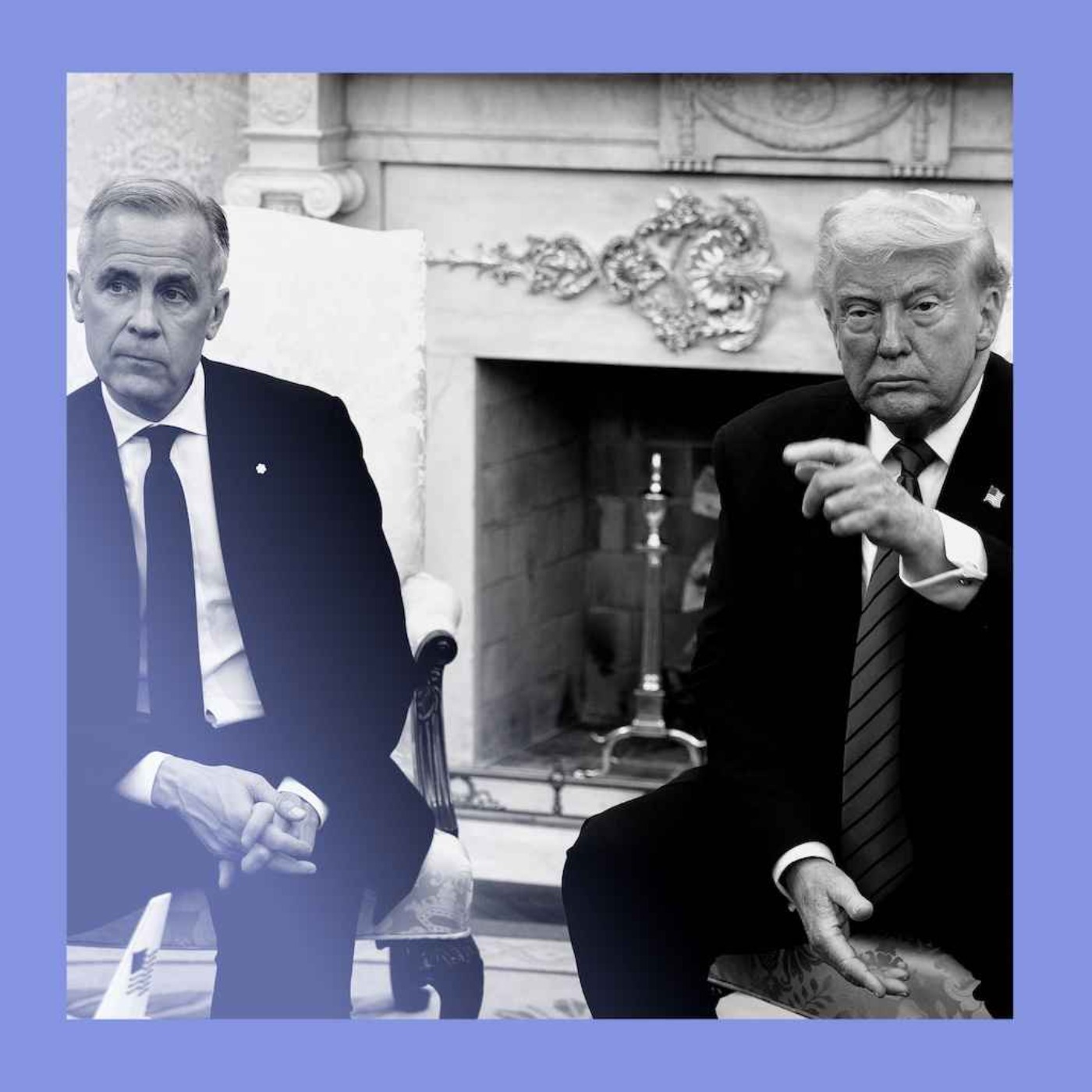
For a country dependent on a powerful neighbor like the U.S., the path to a fairer relationship is creating leverage. This is achieved by developing independent infrastructure, like pipelines and LNG terminals, to sell resources to other world markets. With viable alternatives, the country can negotiate from a position of strength, not desperation.

When trade policies force allies like Canada to find new partners, it's not a temporary shift. They build new infrastructure and relationships that won't be abandoned even if the political climate changes. The trust is broken, making the economic damage long-lasting and difficult to repair.

Since the U.S. is a net oil exporter, controlling massive reserves like Venezuela's is less critical. The real power now lies in controlling the flow of oil to adversaries like China, which is dependent on imports and could be crippled by a supply cutoff.
The Trump administration perceives its new influence over Venezuela's vast heavy oil resources as a strategic advantage in upcoming USMCA trade negotiations. While not a direct substitute for Canadian crude, the perception of reduced dependence is being wielded as political leverage against a key trading partner.

By consolidating influence over Venezuelan and Guyanese reserves alongside its own, the U.S. could control nearly a third of global oil reserves. This would fundamentally reshape energy geopolitics, diminishing the influence of powers like Saudi Arabia and potentially keeping oil prices in a lower range.

The current geopolitical shift toward resource nationalism is focused on critical metals and minerals, not oil. The crude market is relatively well-supplied by producers like the U.S. and potentially Venezuela, making the 'death of globalism' primarily a story about securing supply chains for industrial and technological metals.