Get your free personalized podcast brief
We scan new podcasts and send you the top 5 insights daily.
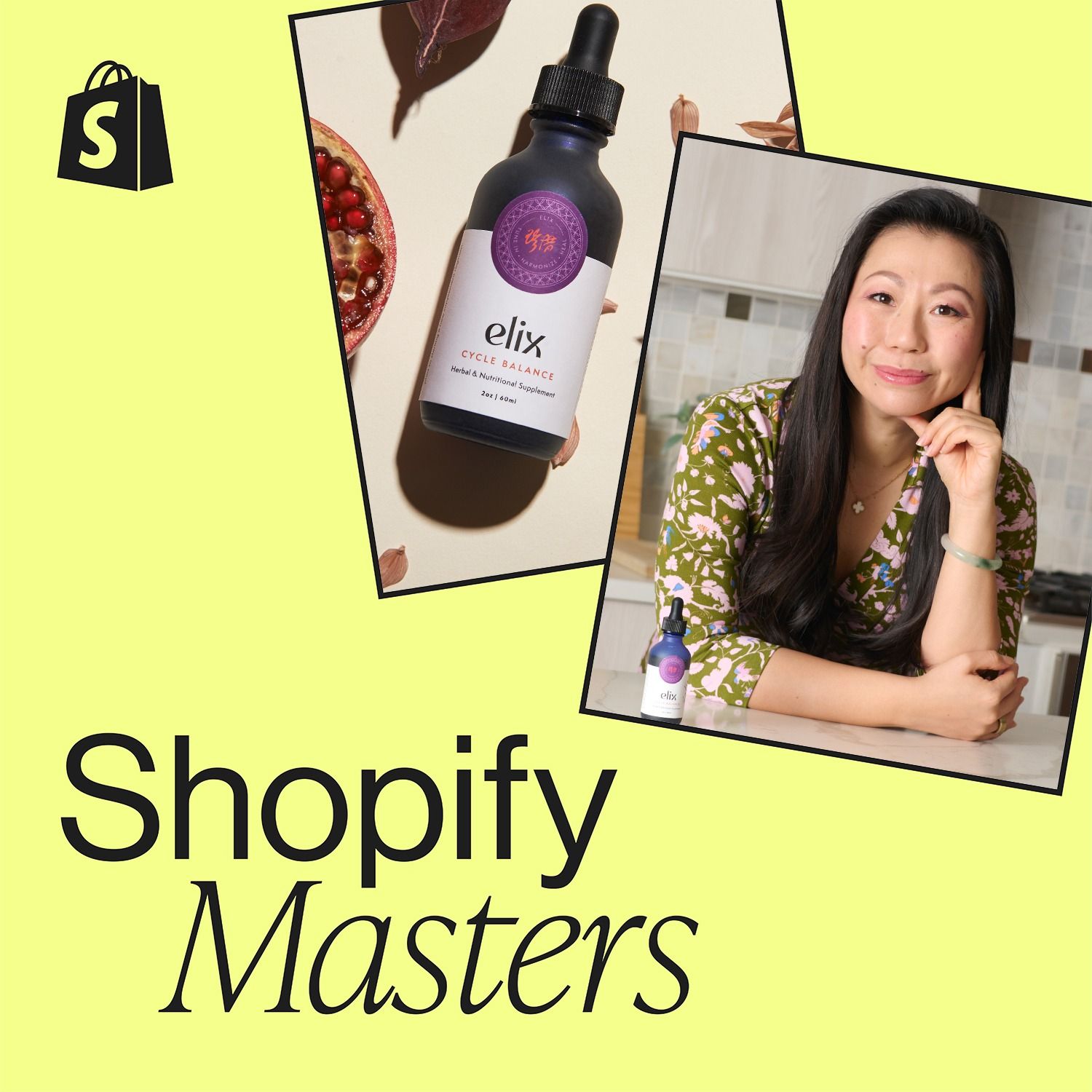
Elix founder Lulu Ge assumed her organic Chinese medicine brand would appeal to an urban, liberal demographic. Instead, she was surprised to find her highest-converting customers were from rural, non-coastal areas, highlighting the danger of demographic assumptions and the broad need for alternative health solutions.
Related Insights
To launch a product in a market with social stigma, first identify a "wedge" demographic that is uniquely open to the solution. For Real Roots, this was young women, who are historical early adopters of mental health tools. Success with this group normalizes the behavior, allowing it to spread to broader markets.

General advice is easily dismissed. By providing hyper-specific guidance tailored to a customer's unique context, like gardening tips for their exact climate zone via geo-targeted ads, you demonstrate a deep understanding of their problem. This specificity builds immense trust and confidence.

Elix founder Lulu Ge's authentic, personal TikTok videos, initially an experiment, became a key acquisition channel. Customers acquired through her organic content have the highest lifetime value (LTV), demonstrating the power of founder-led content in building deep brand connection and loyalty.
Jane Wurwand advises a premium food startup to avoid large supermarkets early on. Big chains demand high volume and have long payment cycles that can crush a new business. Instead, focus on small, high-end local grocers where the brand story can shine and payment terms are more manageable.

Major metropolitan areas like NYC or LA are oversaturated. Growing 'Tier-2' cities have an influx of wealthy residents creating high demand for services, but often lack a sufficient supply of sophisticated providers. This creates a significant arbitrage opportunity for entrepreneurs leveraging modern marketing and AI.

During a period of rising anti-Chinese sentiment, Elix discovered its greatest strength was its heritage. Customers were drawn to the unique educational framework of Chinese medicine for understanding their bodies, proving that leaning into a niche identity can be a powerful differentiator.
Instead of traditional market research tools, scrape Google Maps data. Analyze business listings, review volume, and sentiment to find niches with high customer demand but low satisfaction, signaling a clear market gap for a new or improved service.
To build credibility in the modern healthcare landscape, Elix invests in formal, IRB-approved clinical studies for its traditional formulas. This strategy provides scientific validation, allowing them to operate as a credible resource alongside Western medicine, not in opposition to it.
While brands can create products with a sophisticated, coastal aesthetic (NY, LA), true scale comes from marketing that appeals to the "center of America." Tactics like cash-back raffles or product giveaways resonate strongly with this demographic and drive mass adoption.

Founder Lulu Ge realized personalization was key to Chinese medicine but hard to scale. She built a free online health assessment that digitizes the diagnostic questioning of an herbalist. This allowed the company to recommend personalized herbal blends to a mass audience, successfully scaling a traditionally bespoke service.