Get your free personalized podcast brief
We scan new podcasts and send you the top 5 insights daily.
Athletic Brewing's success comes from rejecting the standard industrial process for non-alcoholic beer. They took a capital-intensive path, building their own breweries to develop a proprietary method that creates a product on par with top craft beers, fundamentally changing category perceptions.

Related Insights
The risk-return profile for a beverage brand mirrors a venture-style investment: it requires significant capital with a high failure rate, but the few successes yield massive, multi-billion dollar outcomes. This differs from food or beauty, which offer more predictable, traditional private equity returns.

Instead of the traditional CPG model of acquiring distinct brands (like Coca-Cola owning Sprite), Breeze is building a centralized platform. Various "feel-good tonics" exist under the single, strong Breeze brand, similar to how Apple sells the iPhone, MacBook, and AirPods under one unified identity.

By launching a beer so strong (30% ABV) that it is illegal in 15 states, Sam Adams creates an aura of exclusivity and rebellion. This "banned" status generates significant earned media and attracts connoisseurs, turning a product limitation into a powerful marketing tool that reinforces the brand's craft credentials.

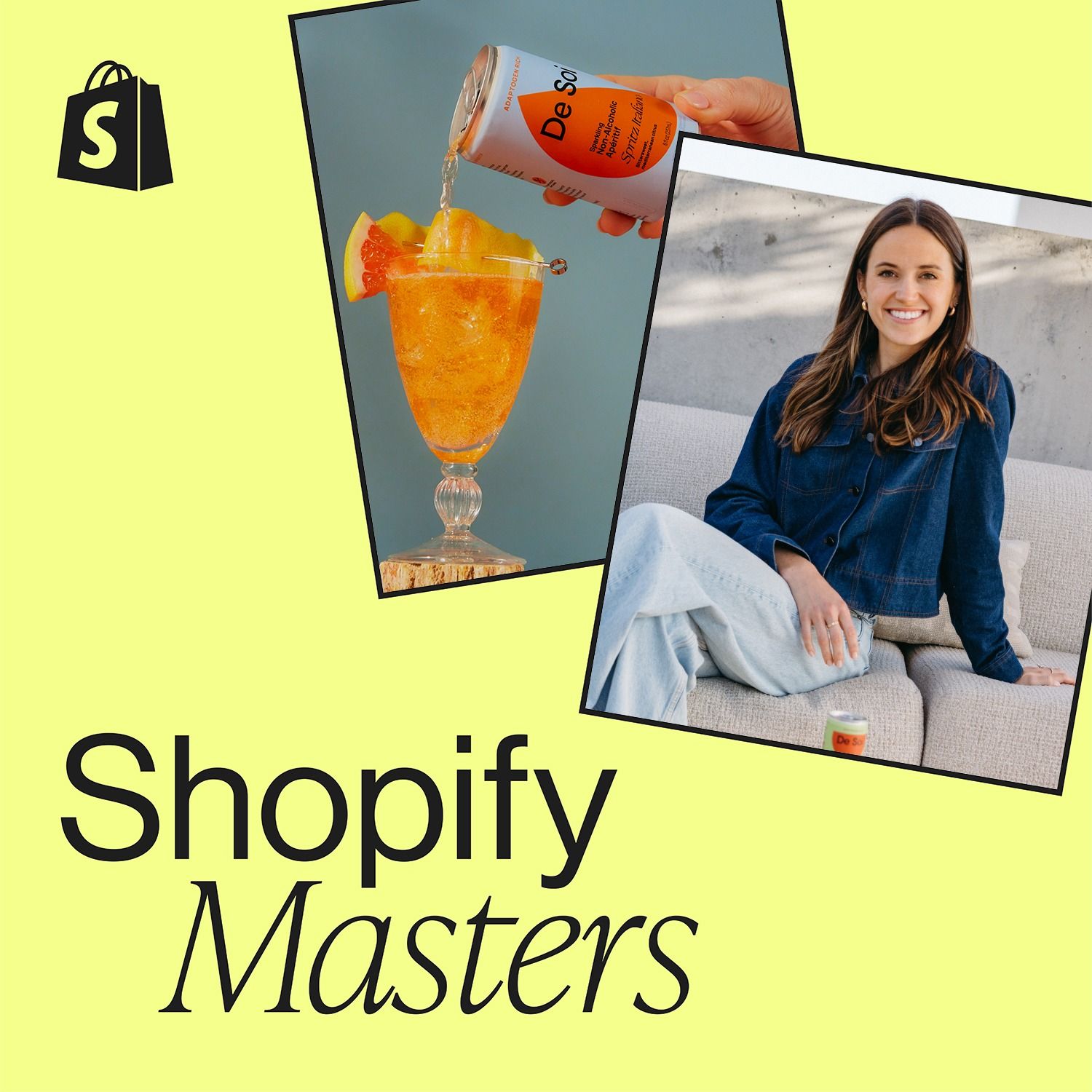
When De Soi launched, retailers and investors dismissed the non-alcoholic category. CEO Scout Brisson adopted a "not if, it's when" mindset, maintaining belief despite widespread skepticism. This conviction was essential for persevering until the market and major players like Target inevitably came around.
Entrepreneurs often chase trending markets. However, even a market in slight decline, like craft beer, can be enormous ($28 billion). Capturing a tiny fraction (e.g., 0.05%) of such a market can still result in a nine-figure business, making it a viable opportunity.

Persisting with a difficult, authentic, and more expensive production process, like using fresh ingredients instead of flavorings, is not a liability. It is the very thing that builds a long-term competitive advantage and a defensible brand story that copycats cannot easily replicate.

Major beverage companies are turning the teetotalism trend into a high-margin opportunity. They market non-alcoholic beers at prices comparable to their alcoholic counterparts. Because these products are not subject to alcohol taxes, companies can achieve significantly higher profit margins, effectively monetizing sobriety.

Adman Claude Hopkins turned Schlitz beer from fifth to first in market share by simply telling the story of their brewing process. Even though the process was standard, no one else was telling it. This highlights that "boring" operational details can be compelling marketing differentiators.

Despite declining wine consumption among young people, Beatbox thrived by changing its product's positioning. It targeted beer's use cases—concerts, gas stations, casual settings—rather than competing with traditional wines. This proves that smart positioning can overcome negative category trends.
Athletic Brewing isn't just serving non-drinkers; 80% of its customers also consume alcohol. The brand is bringing new consumers into the beer category (25% are new to beer) and creating new consumption occasions, making it an additive force in an otherwise declining market.