Get your free personalized podcast brief
We scan new podcasts and send you the top 5 insights daily.
James McAulay set up continuous integration so a pull request cannot merge unless PostHog tracking is included. He knows he will forget while excited about a new feature or landing page, so he made instrumentation a test rather than a memory exercise. The rule runs whenever a PR is submitted.

Related Insights
To handle increased code output from AI agents, engineering teams must shift platform efforts to strengthening their CI/CD pipeline. Braintrust pauses feature work to improve CI, viewing it as earning the right to move faster. A robust CI system is the foundation for AI-driven development.

Allowing PMs to commit code is not a cultural choice but a reflection of system maturity. It's safe only with robust CI/CD and automated testing. In immature systems, it creates shadow work for engineers and introduces risk.
Create an agent that automatically reviews pull requests after CI checks pass. The agent scores PRs on risk factors like blast radius and security. Low-risk PRs are auto-approved and merged, while high-risk ones are flagged for human review, dramatically speeding up deployment velocity.
Move beyond one-on-one interviews for prototype feedback. By prompting an AI tool to integrate analytics platforms like PostHog, you can gather quantitative data at scale. This allows you to track usage, view session replays, and analyze heatmaps, providing robust validation before engineering gets involved.
Kun Chen's 'no mistakes' pipeline includes a testing phase where agents run comprehensive end-to-end tests to check for regressions. Crucially, the agent captures and embeds evidence, like screenshots or videos of the working feature, directly into the PR description for easy human verification.

A custom '$land' skill delegates the entire post-push process to the agent. It autonomously handles waiting for reviews, fixing CI flakes, merging from upstream to resolve conflicts, and managing the merge queue. This automates the tedious 'last mile' of software delivery.
James McAulay says he did not create his PostHog dashboards or experiments in the UI; Claude Code made them through the API. He calls PostHog plus Claude Code a growth person's dream and recommends PostHog as the first tool to set up because its API and MCP are strong.
Configure an AI stop hook to not only run quality checks but also to automatically commit the changes if all checks pass. This creates a fully automated loop: the AI generates code, the hook validates it, and if it's clean, it's committed to the repository with a generated message.

Intercom noticed AI-generated pull request descriptions were poor. Instead of a wiki, they built a mandatory "Create PR" skill that enforces high-quality, intent-focused descriptions, turning a cultural standard into an automated process.

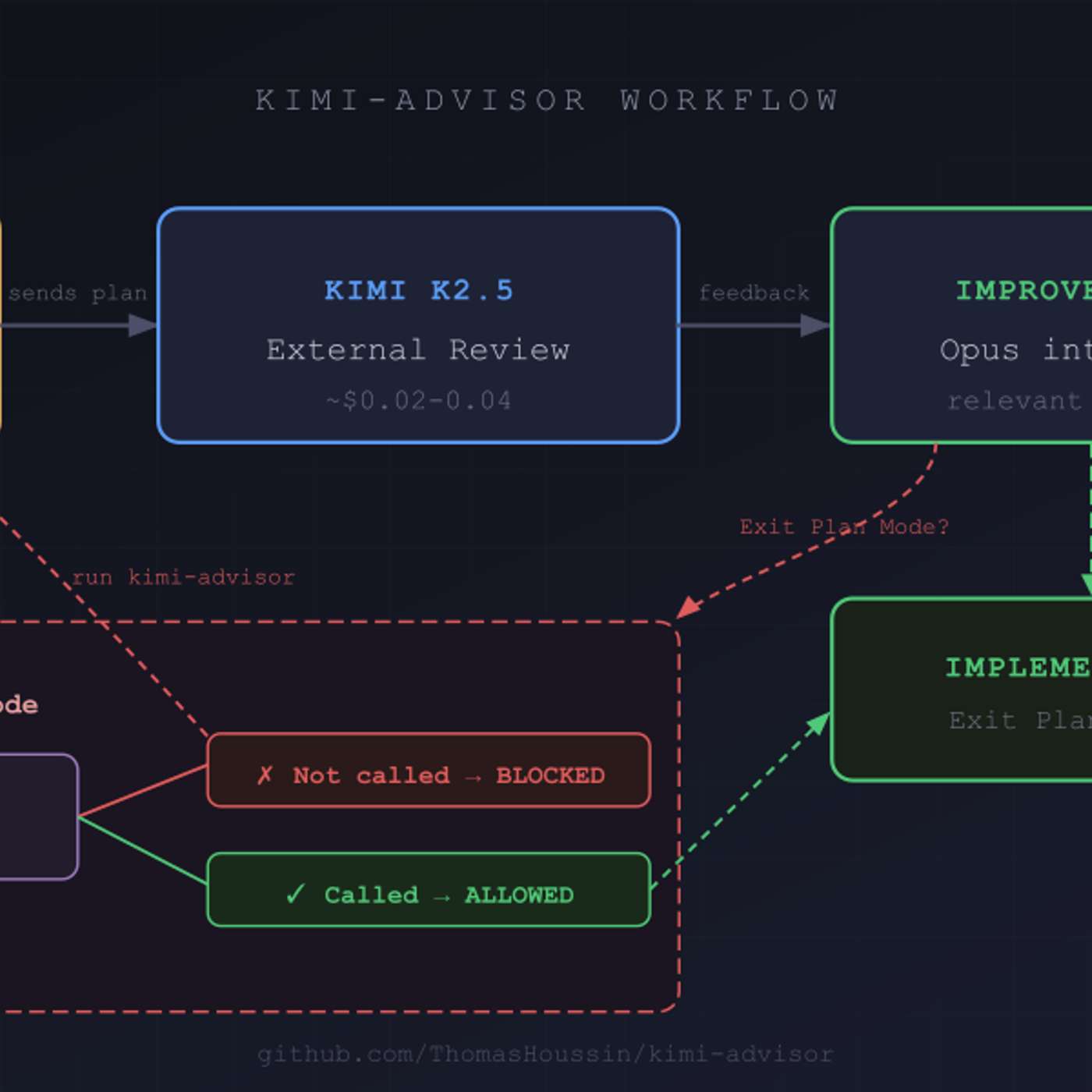
Developers often skip optional quality checks. To ensure consistent AI-powered plan reviews, implement a mandatory hook—a script that blocks the development process (e.g., exiting plan mode) until the external AI review has been verifiably completed. This engineers compliance into the workflow, guaranteeing a quality check every time.