Get your free personalized podcast brief
We scan new podcasts and send you the top 5 insights daily.
A key transformative act of the Reformation was Martin Luther's push for clergy to marry. This dethroned the celibate monk as the pinnacle of Christian devotion and elevated the married pastor and his family as the new, accessible model for all believers to emulate.

Related Insights
Paul's statement that a husband's body belongs to his wife, just as hers belongs to him, was an extraordinary assertion of physical equality in marriage for its time. Most subsequent Christian theology, particularly in the East, actively spiritualized or ignored this radical concept.
Protestantism offered a direct route to heaven through good deeds and faith, eliminating the need to pay the Catholic Church for "indulgences." This reframes a major religious schism as an appealing financial proposition for a populace being heavily taxed for salvation.
Contrary to popular belief, Christianity's monogamy isn't rooted in Judaism, which practiced polygyny. Instead, it was a strategic adoption of the prevailing Greco-Roman norm, a move crucial for the new religion to be taken seriously and spread within that society.
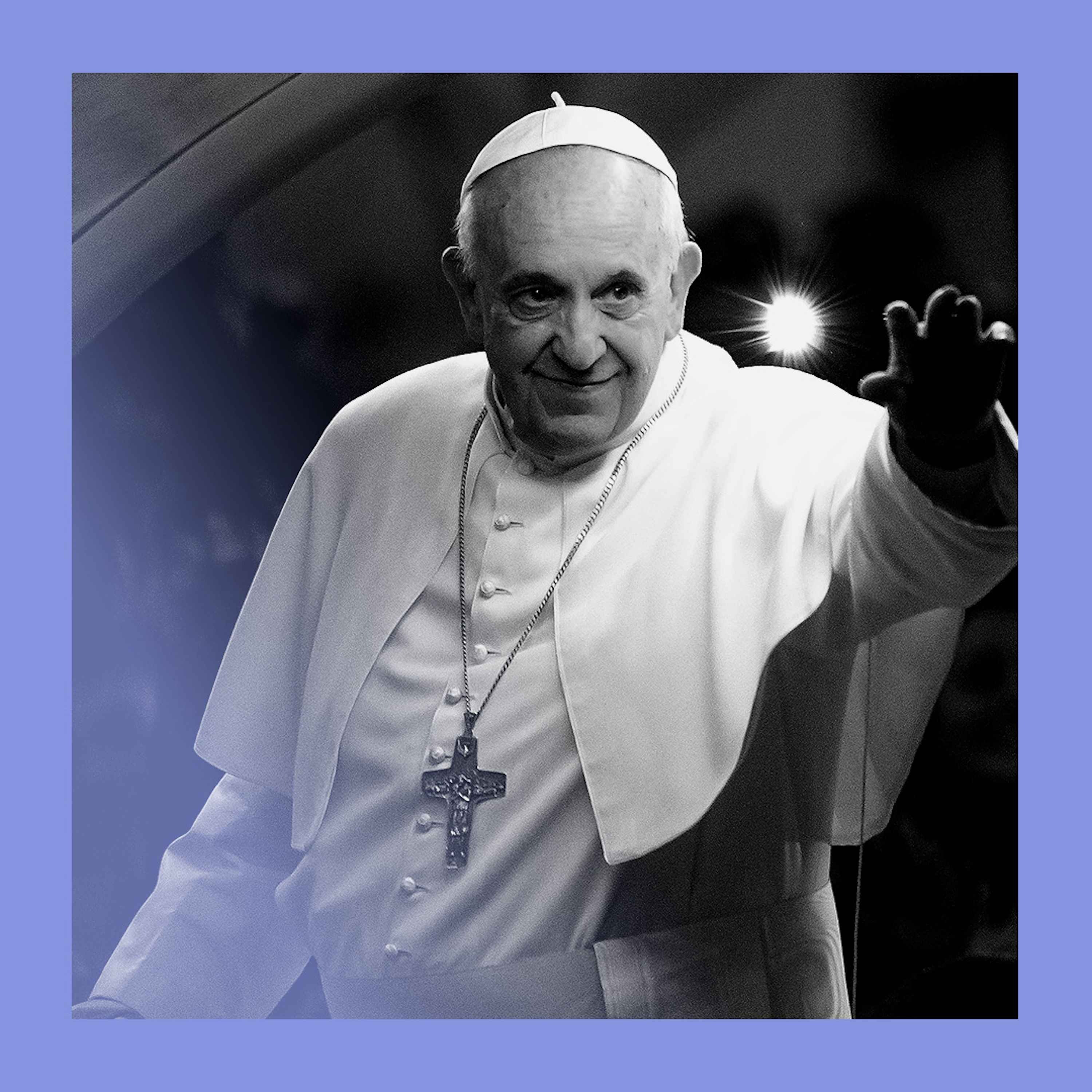
While some speculated Pope Francis's reformist energy was atonement for his past during Argentina's dirty war, it was more likely driven by a forward-looking goal. His primary motivation was to transform the public image of the Catholic Church from a troubled, rigid institution into a welcoming "place of mercy for everybody," a mission he embodied daily.
While early differences existed, the Christian East and West only began moving in truly different directions in the 11th century. Western reforms to make the priesthood more monastic—introducing clerical celibacy and papal infallibility—created practical divides that made the schism permanent.

Historically, marriage was a pragmatic institution for resource sharing, political alliances, and acquiring in-laws. The now-dominant concept of marrying for love and personal attraction is a relatively recent cultural development, primarily from the 18th and 19th centuries.

Once clergy were mandated to be celibate in the 12th century, the laity became the sole group sanctioned to practice sex. This logical division forced a theological shift, defining lay marriage primarily by its openness to procreation, a concept not central before this period.
Mandatory celibacy for Western clergy wasn't an early Christian rule. It arose in the 11th-12th centuries from a new theological emphasis on the Eucharist. The belief that priests physically handled Christ's body and blood created a powerful demand for their absolute sexual purity.
The printing press, a technology financed by the Catholic Church to solidify its power, was weaponized by Martin Luther to dismantle that same power. By printing pamphlets with bullet-pointed arguments, he bypassed the establishment's information monopoly, acting as the first mass-media disruptor.
Barna research reveals a father's active spiritual leadership is a powerful predictor of a child's future faith. If a father leads, there's a 90% chance the children will become believers, compared to only 30% if the mother leads alone, highlighting the father's critical role.
