Get your free personalized podcast brief
We scan new podcasts and send you the top 5 insights daily.
Mandatory celibacy for Western clergy wasn't an early Christian rule. It arose in the 11th-12th centuries from a new theological emphasis on the Eucharist. The belief that priests physically handled Christ's body and blood created a powerful demand for their absolute sexual purity.

Related Insights
Paul's statement that a husband's body belongs to his wife, just as hers belongs to him, was an extraordinary assertion of physical equality in marriage for its time. Most subsequent Christian theology, particularly in the East, actively spiritualized or ignored this radical concept.
The great cathedral-building boom was fueled by the theological innovation of Purgatory. This intermediate afterlife state, which could be shortened by prayers, created a massive market where nobles funded religious institutions in exchange for masses to save their souls, driving immense construction.
Contrary to popular belief, Christianity's monogamy isn't rooted in Judaism, which practiced polygyny. Instead, it was a strategic adoption of the prevailing Greco-Roman norm, a move crucial for the new religion to be taken seriously and spread within that society.
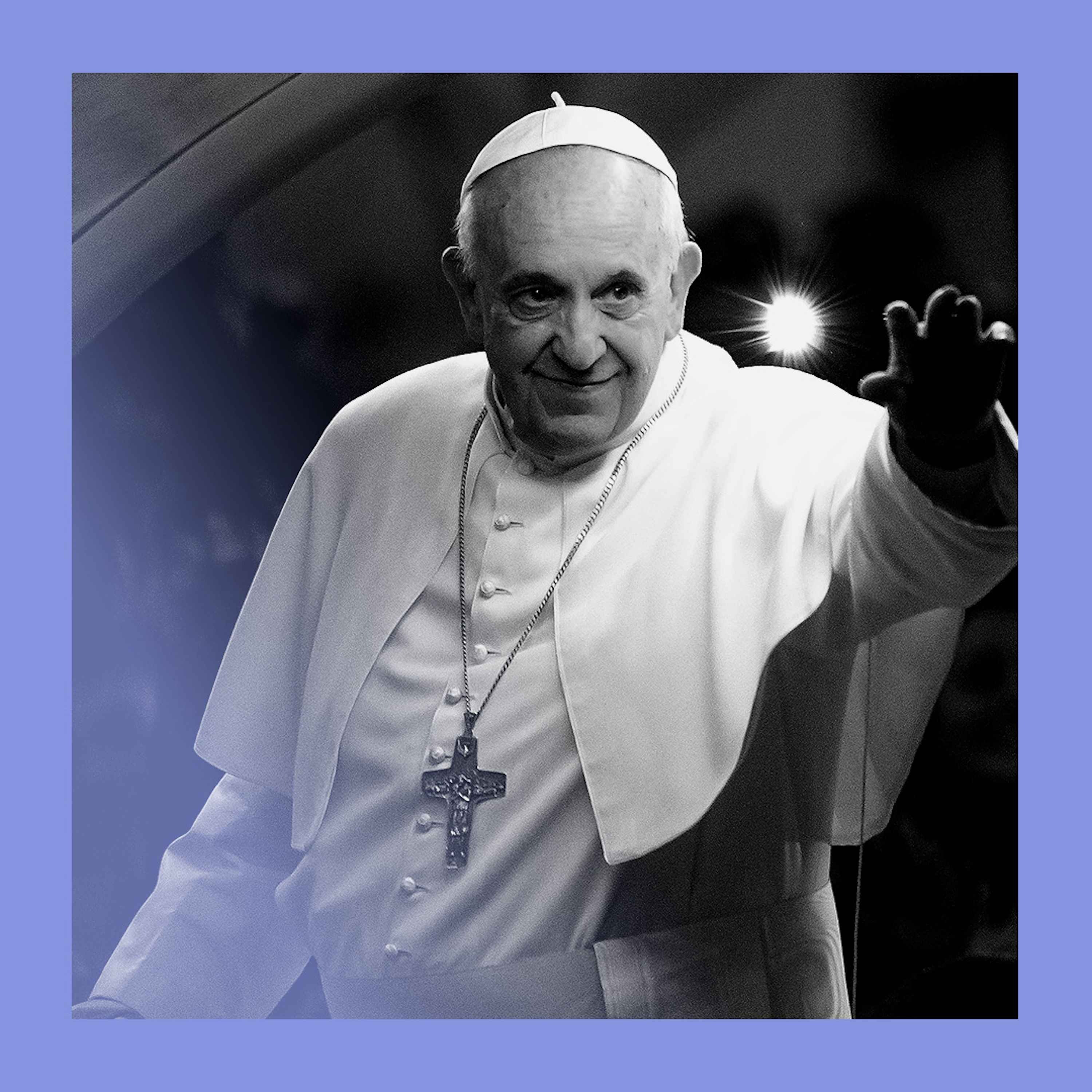
While some speculated Pope Francis's reformist energy was atonement for his past during Argentina's dirty war, it was more likely driven by a forward-looking goal. His primary motivation was to transform the public image of the Catholic Church from a troubled, rigid institution into a welcoming "place of mercy for everybody," a mission he embodied daily.
While early differences existed, the Christian East and West only began moving in truly different directions in the 11th century. Western reforms to make the priesthood more monastic—introducing clerical celibacy and papal infallibility—created practical divides that made the schism permanent.

A key transformative act of the Reformation was Martin Luther's push for clergy to marry. This dethroned the celibate monk as the pinnacle of Christian devotion and elevated the married pastor and his family as the new, accessible model for all believers to emulate.
Once clergy were mandated to be celibate in the 12th century, the laity became the sole group sanctioned to practice sex. This logical division forced a theological shift, defining lay marriage primarily by its openness to procreation, a concept not central before this period.
The 'lie' of monogamy is not that it's a bad choice, but that culture has sanctified it as the only valid path. This framing turns non-monogamous people into villains and ignores that polygyny is the biological norm for most animals, including pre-agrarian humans.

The adoption of baptism, a rite available to both men and women, over the male-only rite of circumcision from Judaism, represented a fundamental, built-in move toward gender equality at the very core of Christian initiation. This liturgical act affirmed equality from the beginning.
During the 5th and 6th centuries, celebrating the Nativity became a key way for the Byzantine church to counter debates about Christ's nature. The holiday served as a historical anchor, reinforcing that Jesus was a real person who lived, not a demigod or abstract spirit.