Get your free personalized podcast brief
We scan new podcasts and send you the top 5 insights daily.
Surprisingly, legacy websites like Yahoo and Microsoft Bing generate more traffic than ChatGPT. This isn't due to active user preference but the powerful, persistent effect of their position as default search engines and homepages in web browsers.

Related Insights
There is emerging evidence of a "pay-to-play" dynamic in AI search. Platforms like ChatGPT seem to disproportionately cite content from sources with which they have commercial deals, such as the Financial Times and Reddit. This suggests paid partnerships can heavily influence visibility in AI-generated results.

Contrary to popular narrative, Google's AI products have likely surpassed OpenAI in monthly users. By bundling AI into its existing ecosystem (2B users for AI Overviews, 650M for the Gemini app), Google leverages its massive distribution to win consumer adoption, even if user intent is less direct than visiting ChatGPT.
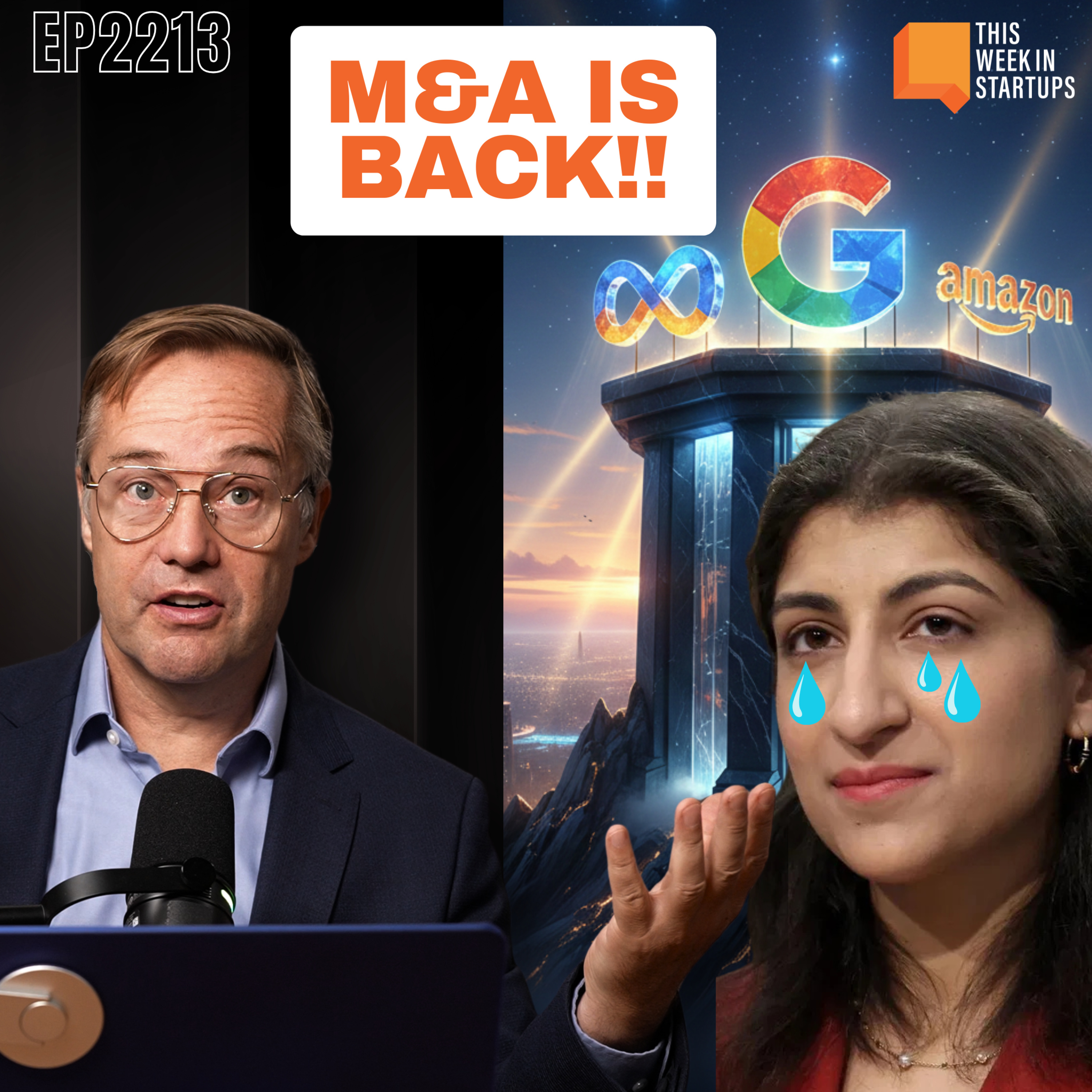
The idea of a truly "open web" was a brief historical moment. Powerful, proprietary "organizing layers" like search engines and app stores inevitably emerge to centralize ecosystems and capture value. Today's AI chatbots are simply the newest form of these organizing layers.
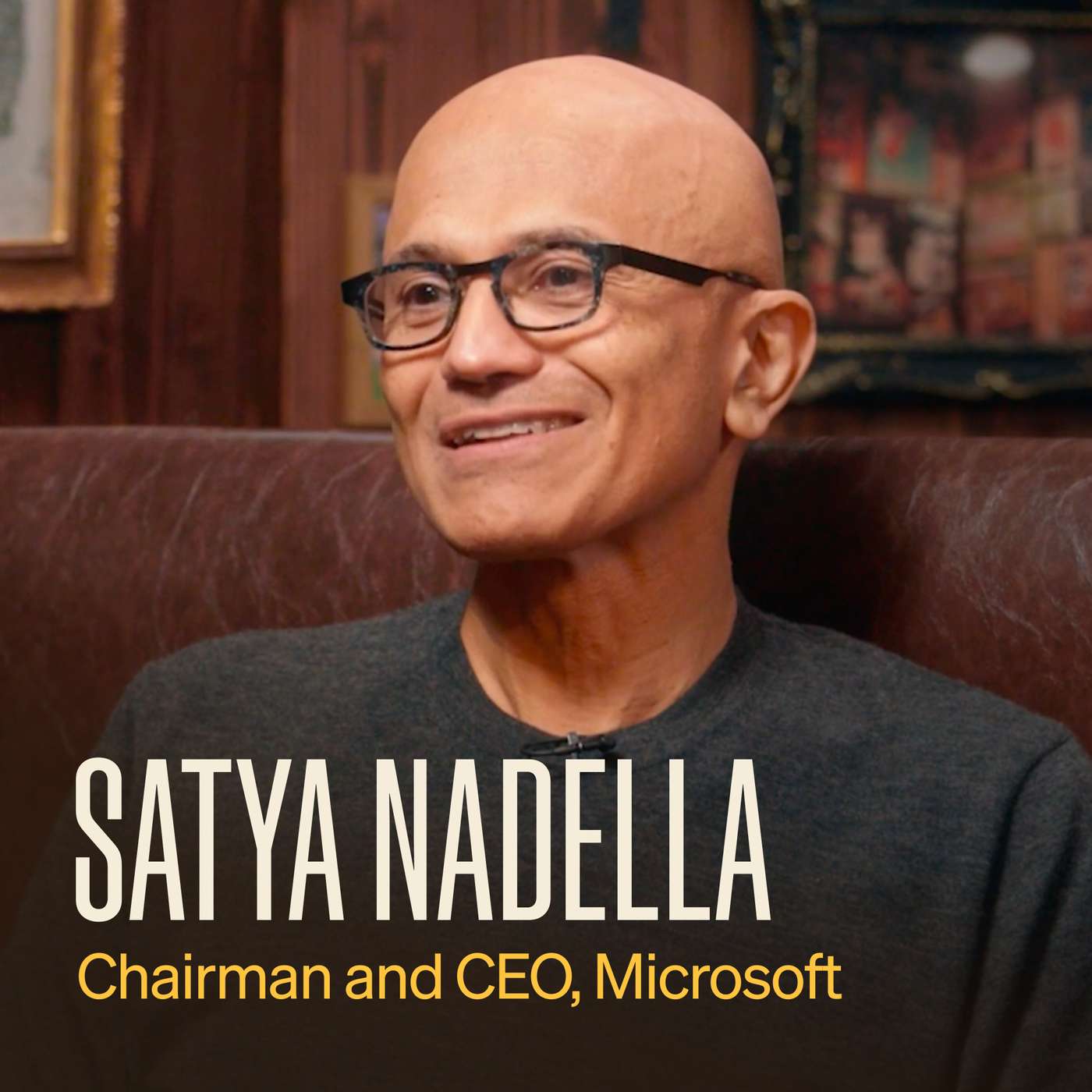
While ChatGPT is still the leader with 600-700 million monthly active users, Google's Gemini has quickly scaled to 400 million. This rapid adoption signals that the AI landscape is not a monopoly and that user preference is diversifying quickly between major platforms.
The speaker's firm saw a 50% traffic drop after Google's AI Overview launch, yet leads from tools like ChatGPT grew 500%. This suggests that while AI-driven search reduces overall traffic volume, the visitors it does send have higher purchase intent and are better qualified.
Traffic driven by answer engines is significantly more qualified. Webflow observed a 600% higher conversion rate from LLM referrals compared to traditional search. This is likely because users have higher intent after a detailed conversational query process, making AEO a highly valuable channel.

The future of search isn't just about Google; it's about being found in AI tools like ChatGPT. This shift to Generative Engine Optimization (GEO) requires creating helpful, Q&A-formatted content that AI models can easily parse and present as answers, ensuring your visibility in the new search landscape.

With 80-90% of AI-powered searches resulting in no clicks, traditional SEO is dying. The new key metric is "share of voice"—how often your brand is cited in AI-generated answers. This requires a fundamental strategy shift to Answer Engine Optimization (AEO), focusing on becoming an authoritative source for LLMs rather than just driving website traffic.

While ChatGPT remains dominant, Google's Gemini has doubled its web traffic share in the last year as ChatGPT's has fallen. This trend mirrors the historical browser wars where an early leader like Netscape was eventually overtaken. Brands must now prioritize their visibility and strategy within the burgeoning Gemini ecosystem.

Google's "AI mode," powered by Gemini 3, is replacing static blue links with dynamically generated, interactive user interfaces. This shift means search results will become lightweight, composable apps tailored to the query, fundamentally altering SEO and the concept of website traffic.