Get your free personalized podcast brief
We scan new podcasts and send you the top 5 insights daily.
Framing a product around "life moments" (e.g., graduation, first job) shifts the focus from functional utility to emotional significance. Coach isn't in the handbag business; it's in the "belonging business." Its real competitors are other products that provide similar affirmation.
Related Insights
The need for emotional connection isn't limited to consumer products. All software is used by humans whose expectations are set by the best B2C experiences. Even enterprise products must honor user emotions to succeed, a concept termed 'Business to Human'.

To connect with Gen Z, Coach shifted its brand positioning from simply being an affordable luxury good to being a tool for self-expression. This move addresses a core tension for this generation: the desire to express their true selves while navigating the pressures of constant social media visibility.
Marcus Collins explains that brands limited to their product (e.g., toothpaste) have little to talk about. However, a brand with a broader ideology (like Nike's belief that "Every human body is an athlete") gains entry and authority to engage in wider cultural discourse, creating significant energy and relevance.
When building a brand, differentiate between long-term and short-term elements. The core purpose and emotional connection should be enduring. In contrast, functional and experiential benefits must be constantly refreshed to remain relevant as markets and consumer tastes evolve.
Most product categories are commodities with minimal functional differences. Success, as shown by Liquid Death in the water category, hinges on building an emotional connection through branding and packaging, which are the primary drivers of consumer choice over minor product benefits.

The founder of Billy Bob's Teeth, a gag gift, reframed his product as a "permission slip for people to be silly." This strategy gives a trivial product a deeper, more compelling purpose by connecting it to a fundamental human desire. This elevates the brand and makes the product more than just a novelty item.

Possessions can be viewed as assets that pay "life dividends." This concept reframes value beyond financial returns, accounting for the emotional and memorable experiences an item provides, such as a dress worn at a wedding. These moments are a form of non-cash, emotional return on investment.

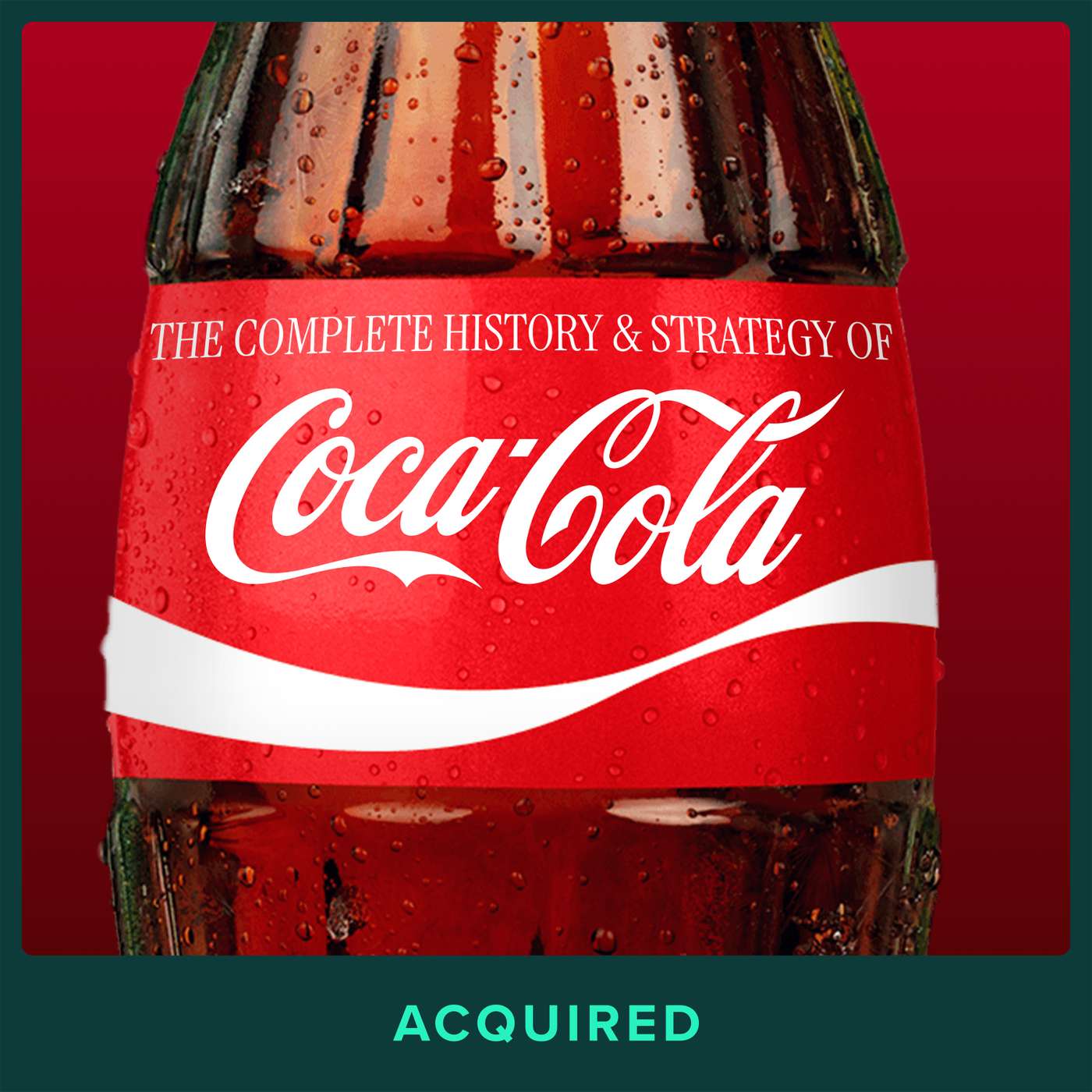
Coca-Cola pioneered lifestyle advertising by shifting from promoting intrinsic product qualities (a "brain tonic") to extrinsic associations. They linked the brand to universal positive emotions like happiness, friendship, and Christmas, making the product a symbol rather than just a beverage.
Gymshark's key product differentiator wasn't just performance, but aesthetics. They obsessed over creating 'physique accentuating' fits that made customers look and feel better. This tapped into the core emotional motivation of their gym-going audience, creating a stronger brand connection than purely functional apparel.

LoveSack operated successfully for years based on product instinct alone. However, transformational growth occurred only after the company intentionally defined its core brand philosophy—'Designed for Life'—and then amplified that clear message with advertising. This shows that a well-defined brand story is a powerful, distinct growth lever, separate from initial product-market fit.