Get your free personalized podcast brief
We scan new podcasts and send you the top 5 insights daily.
Menthol cigarettes are not just flavored; their cooling effect on the lungs masks the harshness of smoke. This allows for deeper inhalation and makes them feel less harmful than they are. This sensory trick, combined with nicotine, creates a powerful addiction that is particularly difficult to break.

Related Insights
Humans evolved to have different "drugs of choice" as a survival mechanism. If everyone sought the same rewards, groups would quickly deplete a single resource. This once-adaptive trait now makes us vulnerable to a wide array of modern, hyper-stimulating temptations.

Modern society turns normal behaviors like eating or gaming into potent drugs by manipulating four factors: making them infinitely available (quantity/access), more intense (potency), and constantly new (novelty). This framework explains how behavioral addictions are engineered, hijacking the brain’s reward pathways just like chemical substances.
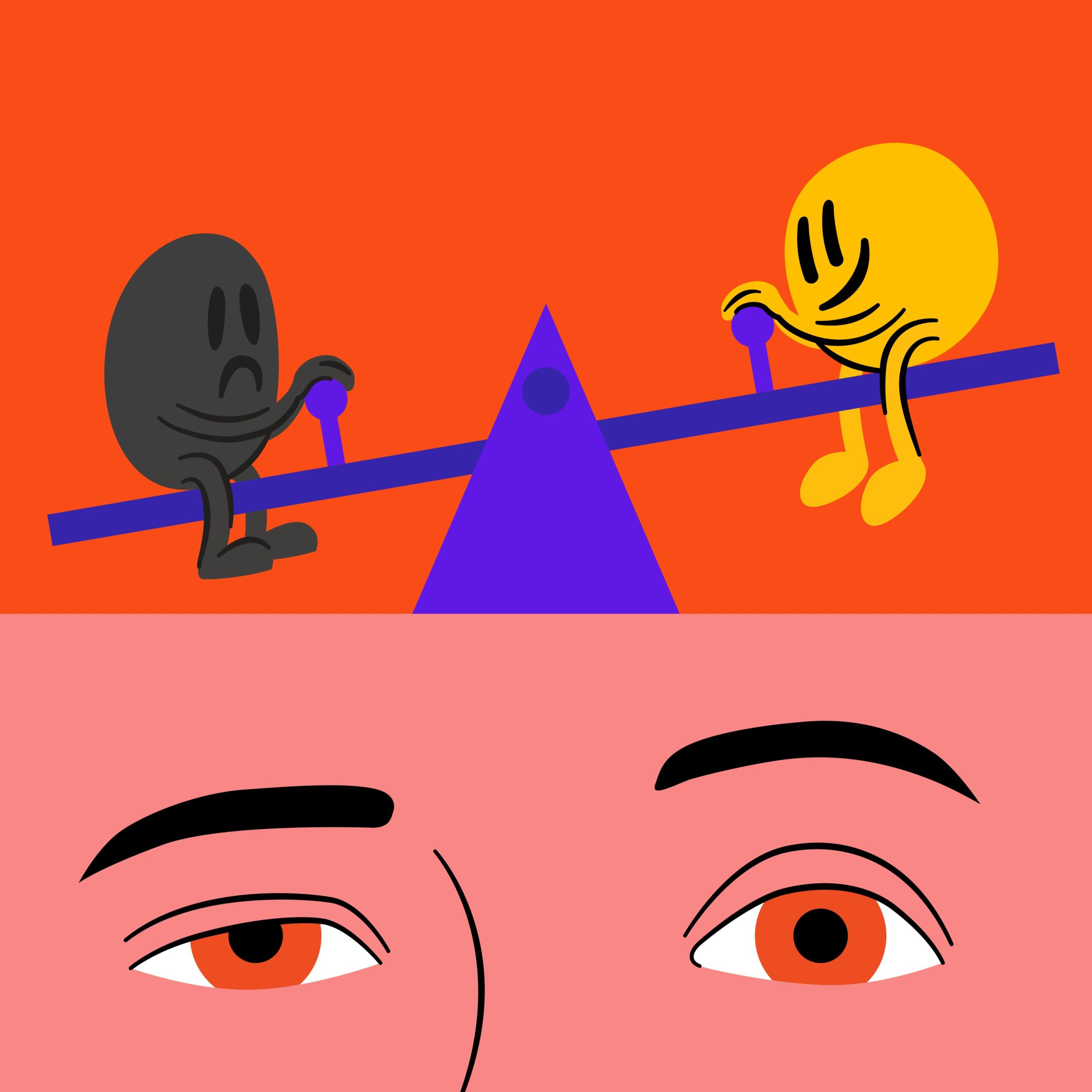
The brain maintains balance by counteracting any deviation to the pleasure side with an equal and opposite reaction to the pain side. This opponent process is why we experience hangovers and why chronic indulgence leads to a dopamine deficit state, driving us to use more just to feel normal.

Neuroscience shows pleasure and pain are co-located in the brain and work like a seesaw. When we experience pleasure, the brain immediately compensates by tilting towards pain to restore balance. This neurological 'come down' is why constant pleasure-seeking eventually leads to a state of chronic pain and craving.
Counterintuitively, the tobacco industry thrives despite losing millions of customers. As casual smokers quit, the remaining base is more addicted and less price-sensitive. Companies exploit this by raising prices faster than sales volume declines, increasing profits from a shrinking market.

The satiation signal from GLP-1s to the brain stem also down-regulates dopamine and the desire for it. This explains anecdotal reports and active studies on their effect in reducing cravings for nicotine, alcohol, shopping, and gambling.

Addiction isn't defined by the pursuit of pleasure. It's the point at which a behavior, which may have started for rational reasons, hijacks the brain’s reward pathway and becomes compulsive. The defining characteristic is the inability to stop even when the behavior no longer provides pleasure and begins causing negative consequences.
Constantly bombarding our reward pathways causes the brain to permanently weigh down the 'pain' side of its pleasure-pain balance. This alters our baseline mood, or 'hedonic set point,' meaning we eventually need our substance or behavior not to get high, but simply to escape a state of withdrawal and feel normal.
Vaping introduces a high concentration of volatile compounds into lung tissue, many approved for ingestion but not inhalation. This accelerated damage leads scientists to anticipate a wave of much earlier lung cancer diagnoses, potentially in patients as young as 30-35, a significant shift from traditional smoking timelines.
Smokers often don't experience bleeding gums, a key symptom of gum disease. This is not because their gums are healthy, but because nicotine constricts blood vessels, preventing bleeding even when severe gum inflammation is present, giving a false sense of security.
