Get your free personalized podcast brief
We scan new podcasts and send you the top 5 insights daily.
Despite narratives about religion or ideology, the core of many international conflicts is economic control over critical resources like oil. A nation's reaction to attacks on its oil infrastructure versus its leaders reveals the true economic nature of the fight.

Related Insights
Despite ideological or religious motivations, sustained conflict is impossible without economic support. Even highly motivated groups cannot fight without money to buy weapons and maintain their infrastructure, revealing economics as the fundamental, inescapable driver of global power dynamics and war.

The recent conflicts in Iran and Venezuela can be framed as a covert economic war against China. Since China buys 90% of Iran's oil and relies on Venezuela's supply, US actions disrupting these nations directly target China's energy security and serve as a tool of economic containment.

Modern global conflict is primarily economic, not kinetic. Nations now engage in strategic warfare through currency debasement, asset seizures, and manipulating capital flows. The objective is to inflict maximum financial damage on adversaries, making economic policy a primary weapon of war.

Adversaries now understand that Western financial markets are a key vulnerability. Iran is incentivized to attack energy infrastructure not just for physical disruption, but to directly target market sentiment and trigger financial instability, making economic warfare a primary strategy.
The specific targeting choices in the initial Iran strikes—leadership, navy warships, and military infrastructure—suggest the primary goal is economic control, specifically securing the Strait of Hormuz. Had the true objective been nuclear deterrence, the focus would have been on destroying nuclear facilities, which was not the case.
The primary US motivation for the conflict with Iran is not nuclear weapons or ideology, but the need to secure $2 trillion in pledged investments from Gulf states into America's critical AI infrastructure and economy.

The conflict's new phase focuses on inflicting economic pain. Both sides are attacking vital, non-military infrastructure like oil fields, fuel depots, and water desalination plants to test which economy can withstand more damage.
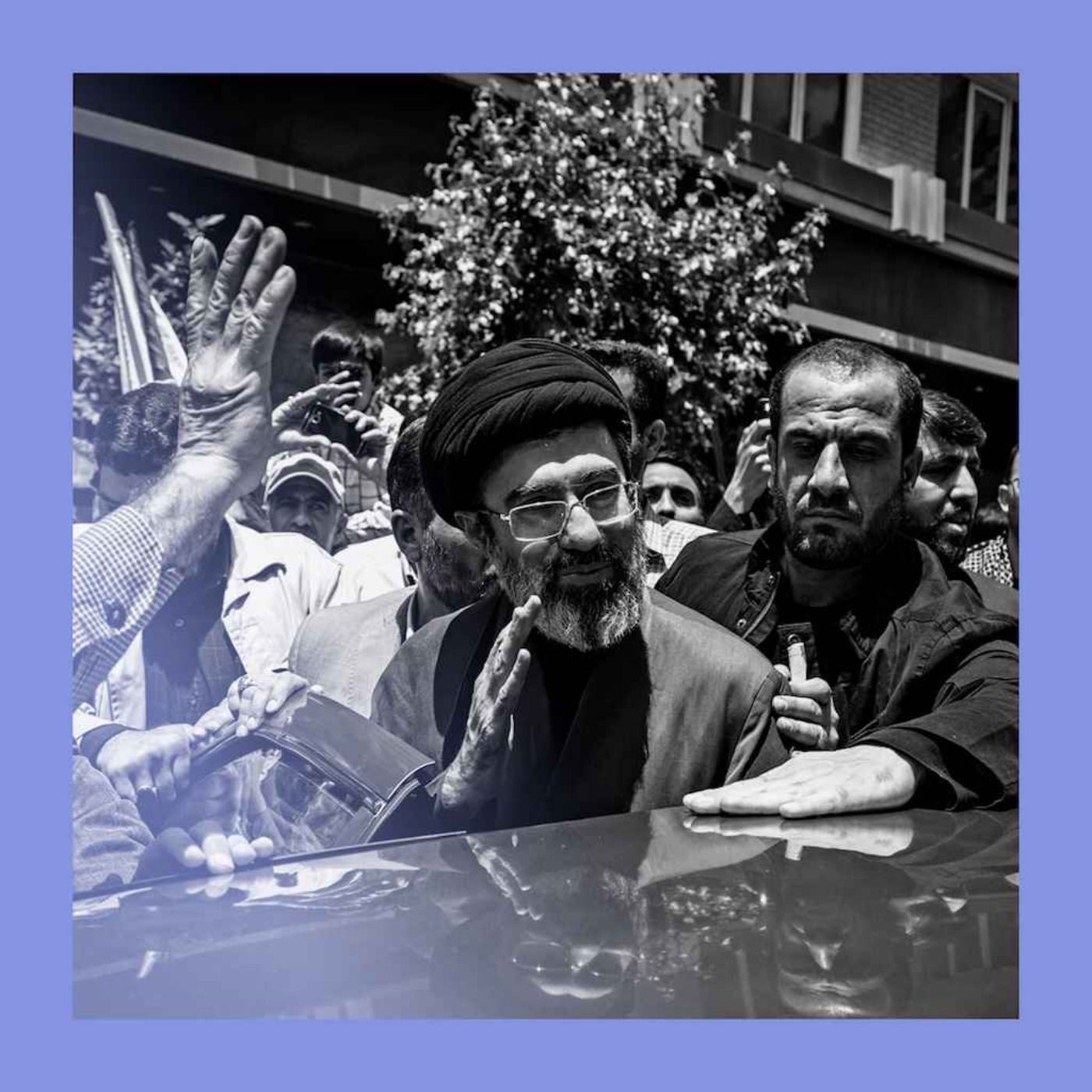
U.S. foreign policy actions against Venezuela and Iran are not primarily about democracy but are strategic moves to disrupt the flow of cheap, sanctioned oil to China. By controlling these sources, the U.S. can directly attack a key adversary's economic and military engine.

The post-Cold War era of stability is over. The world is returning to an 'Old Normal' where great power conflict plays out in the economic arena. This new state is defined by fiscal dominance, weaponized supply chains, and structurally higher inflation, risk premia, and volatility.

We are in a distinct global conflict that is economic, military, and strategic. Major world powers are actively competing for control of essential resources like precious metals and energy, shifting the economic landscape away from a normal cycle towards a long-term, secular trend of deglobalization and conflict.