Get your free personalized podcast brief
We scan new podcasts and send you the top 5 insights daily.
The success of "Zero Sugar" sodas over "Diet" sodas, despite being nearly identical products, reveals a generational shift in values. Younger consumers reject the restrictive connotations of "dieting" and embrace the positive, wellness-focused language of "zero," which aligns with a lifestyle of health optimization.

Related Insights
The Diet vs. Zero soda battle demonstrates that for quick, everyday purchases, consumers rely on surface-level cues. The branding and associated identity ("scarcity" vs "wellness") drive decisions more than the product's actual composition, which is often nearly identical. The label effectively becomes the product.
To encourage better choices, emphasize immediate, tangible rewards over long-term, abstract goals. A Stanford study found diners chose more vegetables when labeled with delicious descriptions ("sizzling Szechuan green beans") versus health-focused ones ("nutritious green beans"). This works with the brain's value system, which prioritizes immediate gratification.

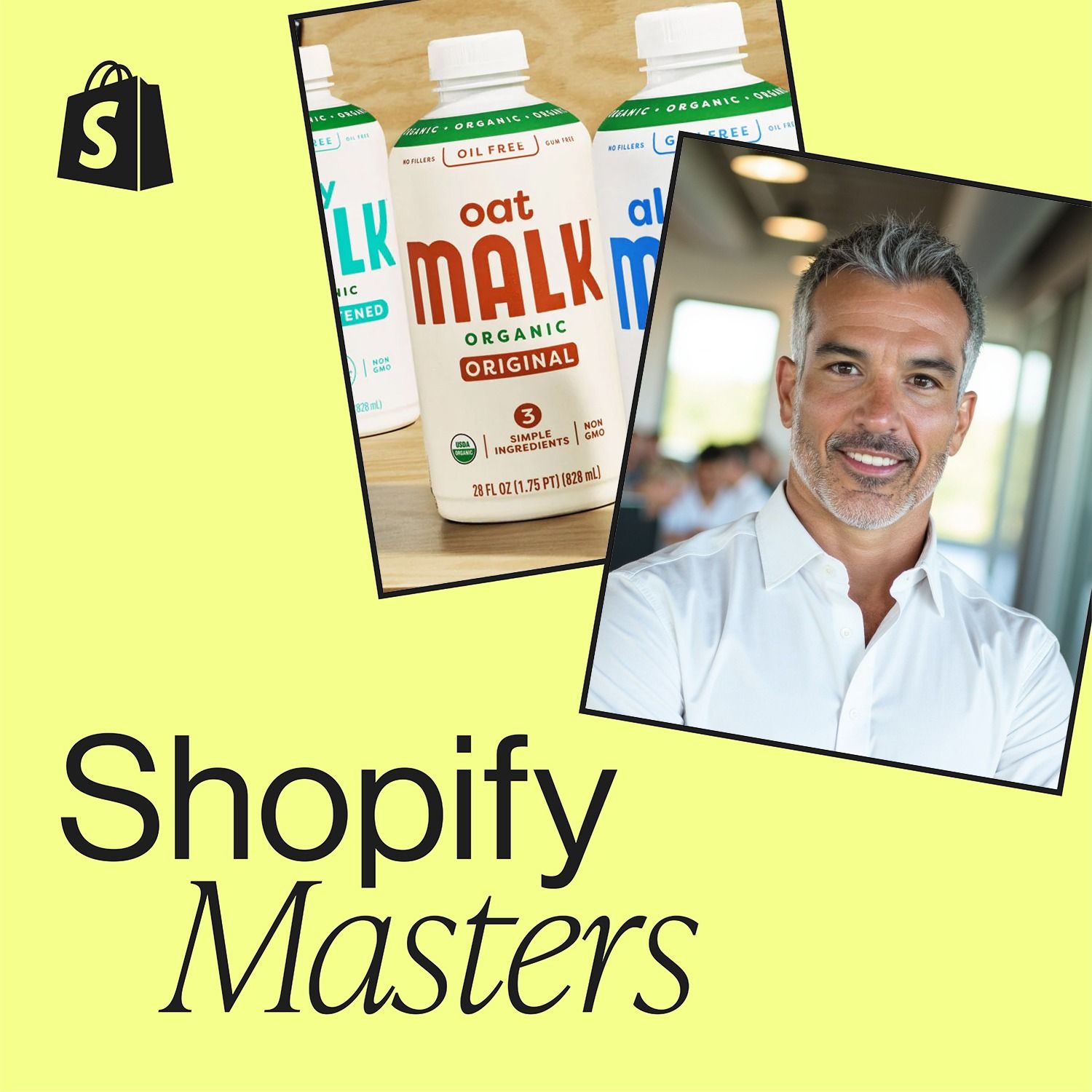
Malk's messaging evolved from focusing on what it lacked (gums, fillers) to highlighting the sensory experience of using the product. Recognizing that taste is paramount, the brand created assets showing the milk being poured into coffee or cereal. This shift from a rational, feature-based message to an emotional, benefit-driven one is key for brand maturation.
When relaunching Lucozade with less sugar, openly discussing the change created a massive negative narrative. For Ribena's relaunch, they avoided mentioning the change and ran a positive campaign instead, leading to sales growth. Don't give consumers a reason to stop loving your brand.

The success of science-first brands like OneSkin signals a market shift. The Millennial obsession with "clean, natural, organic" is giving way to a new focus on "clinical," lab-proven efficacy. This trend is visible across beauty (Botox), wellness (Ozempic), and food (protein additives), favoring chemistry and results over purity.

Consumers are trained by food packaging to look for simple, bold 'macros' (e.g., '7g Protein,' 'Gluten-Free'). Applying this concept to non-food items by clearly stating key attributes ('Chemical-Free,' 'Plant-Based') on the packaging can rapidly educate consumers at the point of purchase and differentiate the product.

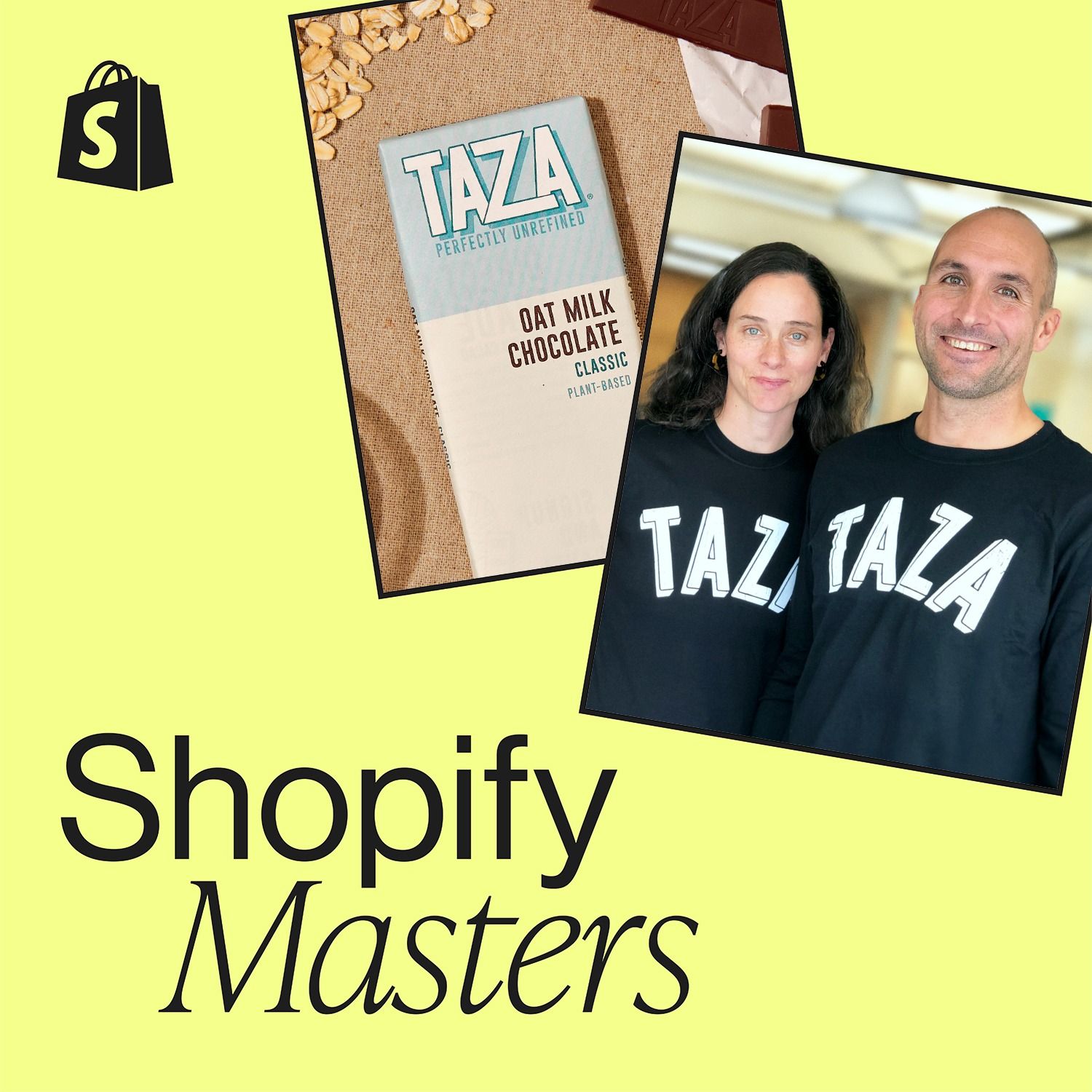
Taza resisted the huge trend of sugar-free chocolate because they couldn't create a version that met their high flavor standards. By refusing to compromise their core product principles, they maintained brand integrity, which was validated when consumer preference swung back to "real" ingredients.
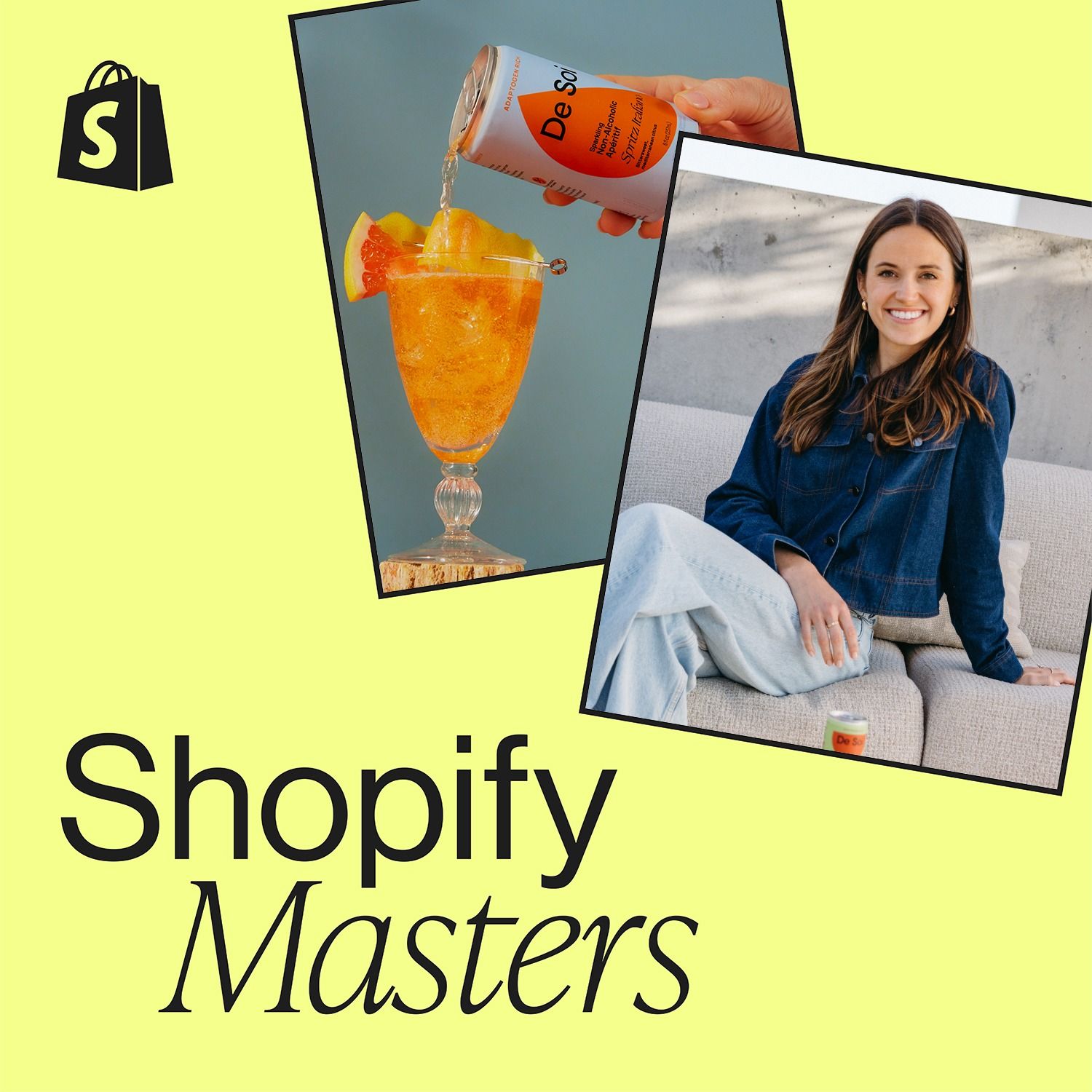
De Soi's initial abstract product names (e.g., "Champignon Dreams") were polarizing and confusing. Switching to familiar cocktail names like "Mule" and "Margarita" made the products easier for consumers to understand and purchase, leading to a 2x increase in sales for the new line.
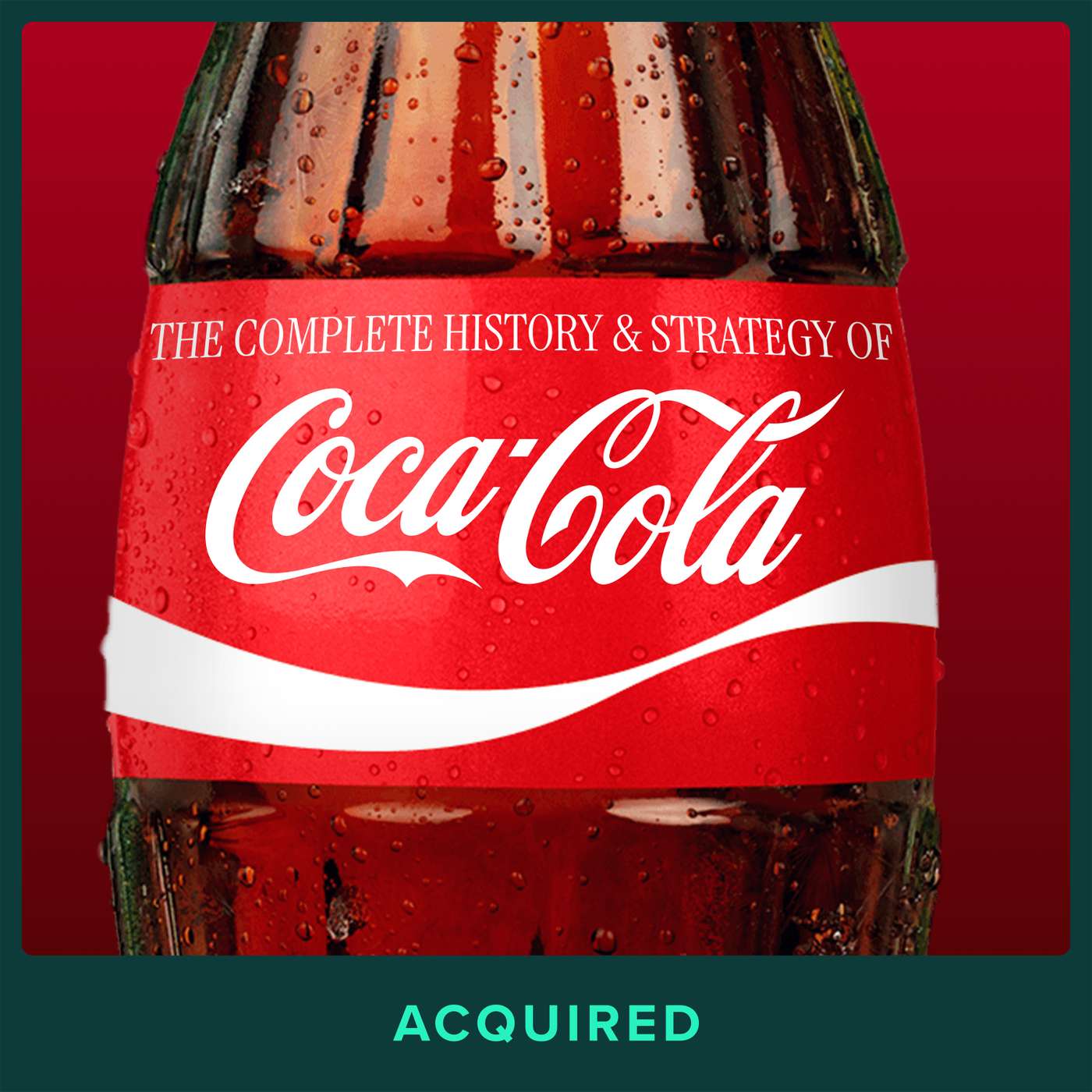
Coca-Cola pioneered lifestyle advertising by shifting from promoting intrinsic product qualities (a "brain tonic") to extrinsic associations. They linked the brand to universal positive emotions like happiness, friendship, and Christmas, making the product a symbol rather than just a beverage.
AG1 strategically evolved from an athlete-focused product to a science-backed wellness brand. Dropping "Athletic" from the name was a key decision to broaden its appeal and shift the narrative from a founder's tool to a consumer's daily ritual, making the customer the hero.
